28th August 2017. I a
28th August 2017. I a
28th August 2017. Enniscrone (population 1,200) is a seaside resort in County Sligo. A lot of the homes here are actually holiday homes. This was an unusual trip. I took a coach from Belfast at 2am and arrived in Dublin about 4.30am. I had breakfast in a fast food chain and then took a bus at 7am to Ballina in County Mayo.
I arrived in Ballina at lunch time and met by my wife, one son and daughter in law and their baby son. They were renting a holiday home in Enniscrone, about 10 kilometres from Ballina.
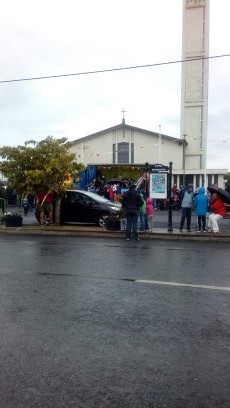
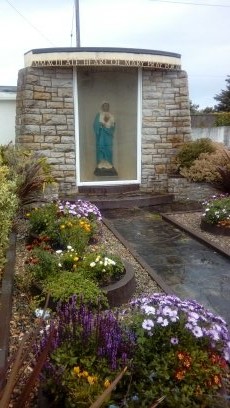
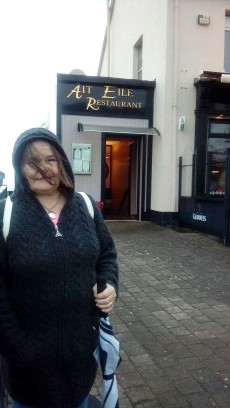
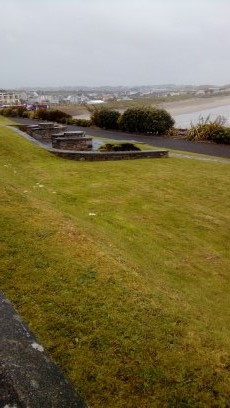
A seaside resort in driving rain can be a depressing place. But there was a small parade of kids celebrating a local festival to honour the mythical Black Pig.
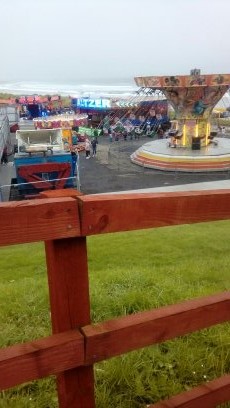
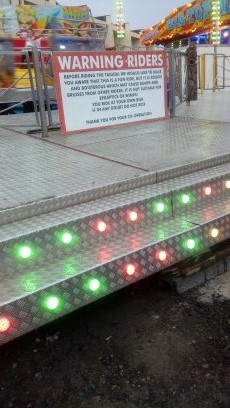
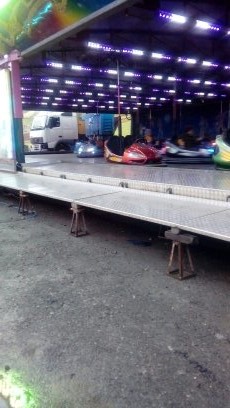
A fun fair with not many people.
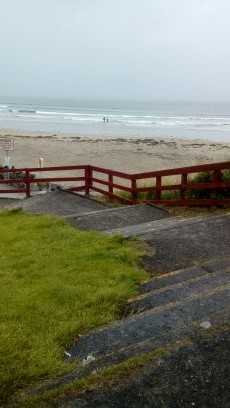
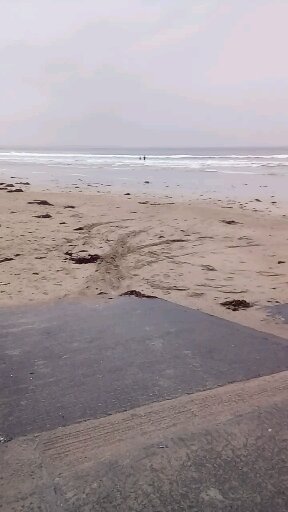
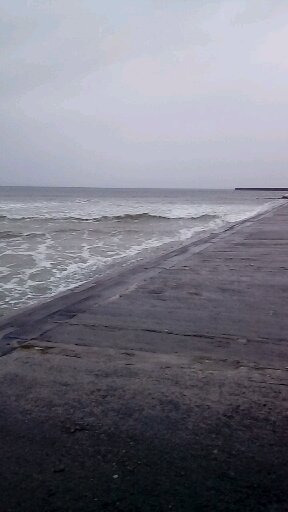
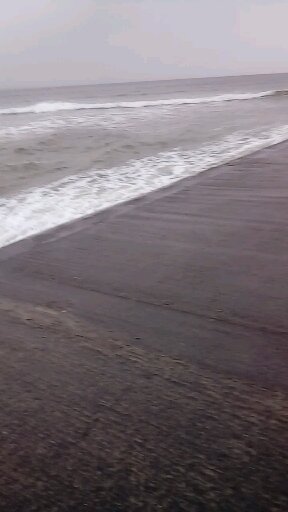
A walk along the beach. Quite windy and wet. Enniscrone is one of Irelands leading Surfing venues.
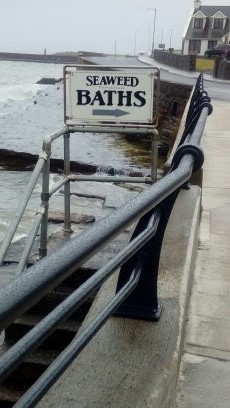
I stayed the night in Enniscrone and the next morning, got a coach from Ballina to Dublin and a train home.
23rd August 2017.
Limerick Castle, King Johns Castle dates from 1210 and built on earlier Viking fortifications. It was the centre of sieges in the 17th century, notably the Siege which ended in 1691 with the surrender of Jacobite forces to Williamite forces and began the exodus of Irish soldiers…Flight of the Wild Geese …to Europe, notably France.
Impressive location on the banks of the River Shannon.
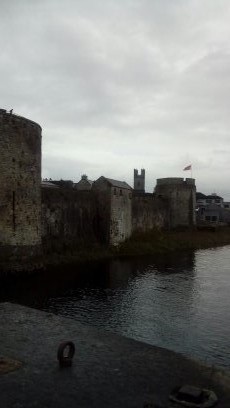
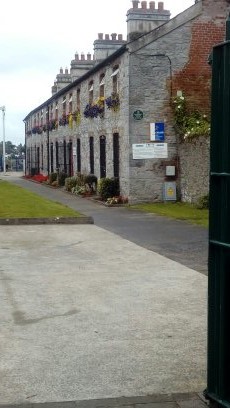
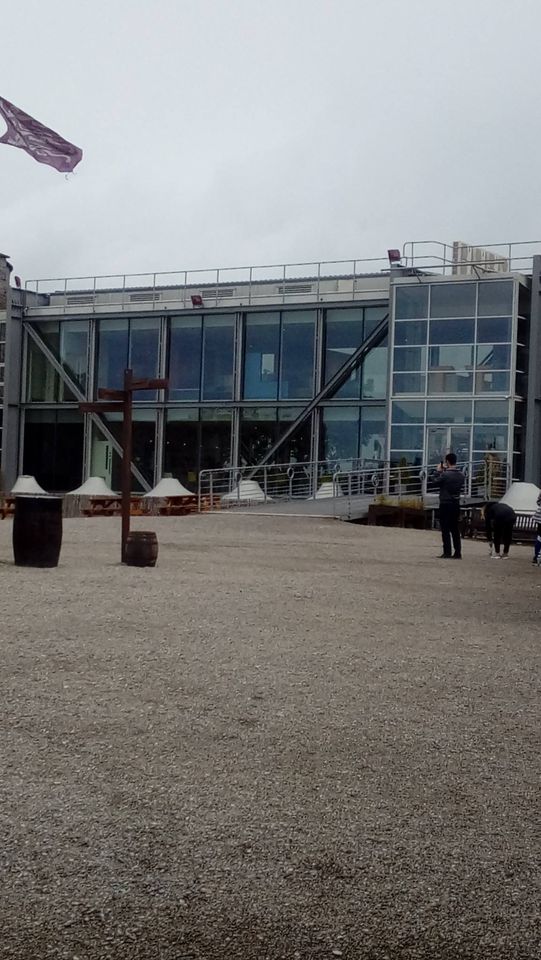
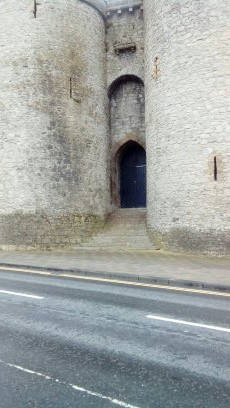
Outside the Castle includes veteran soldiers cottagesthe entrance to the museum and bookshop.
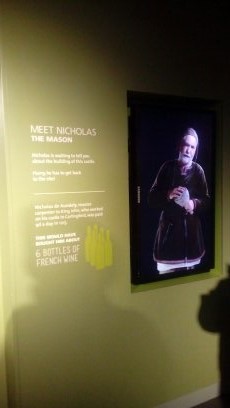
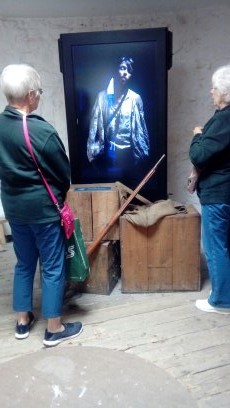
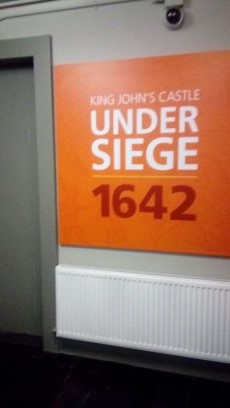
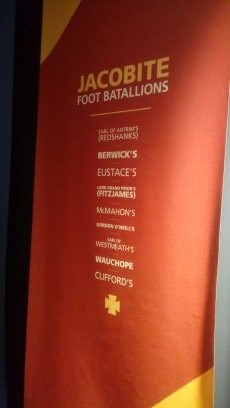
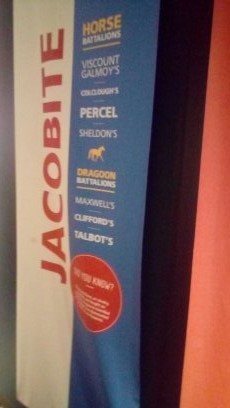
I really liked the museum and audio visual displays.
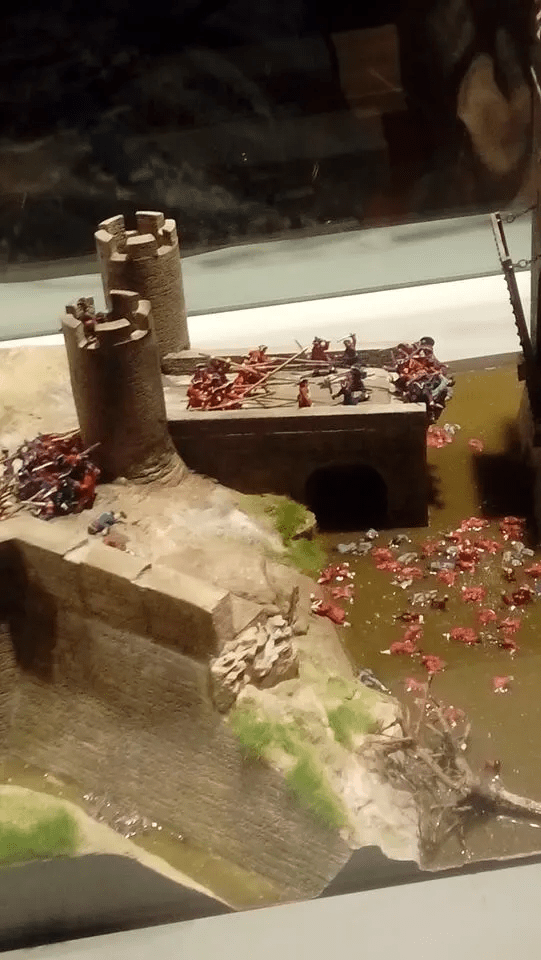
As a model maker and Toy Soldier collector, I really loved the model depicting the final battle of 1691 and the hand-to-hand fighting on Thomond Bridge.
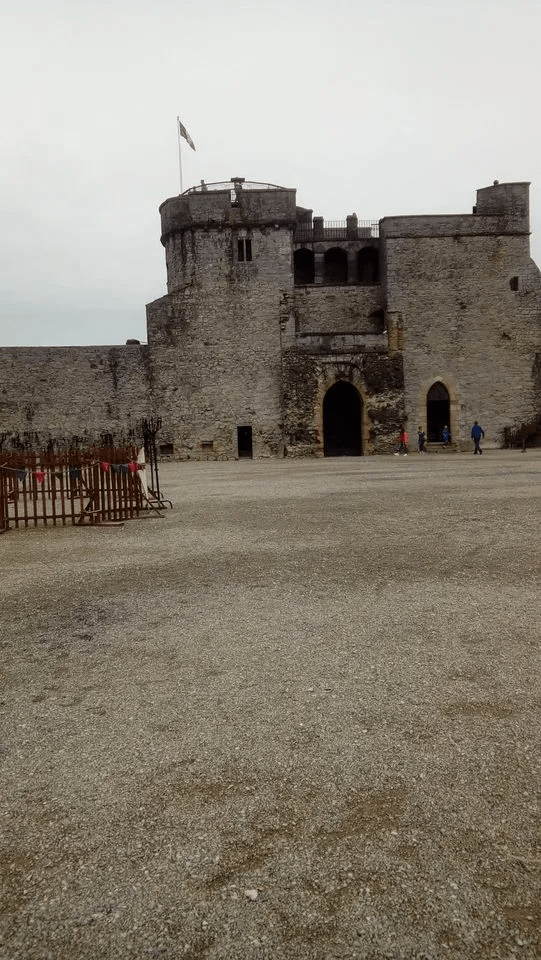
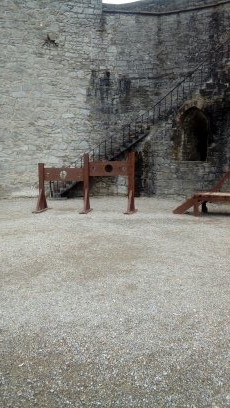
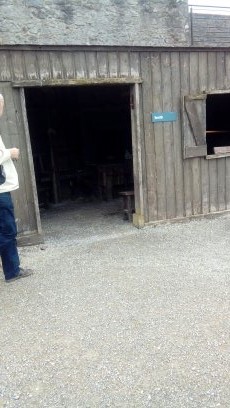
Views of the Castle courtyard.
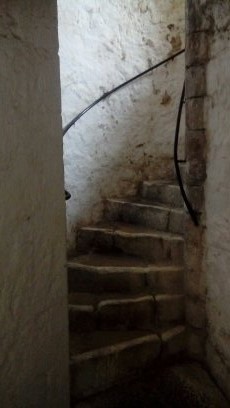
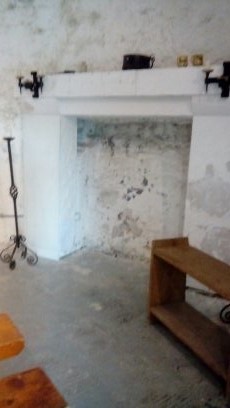
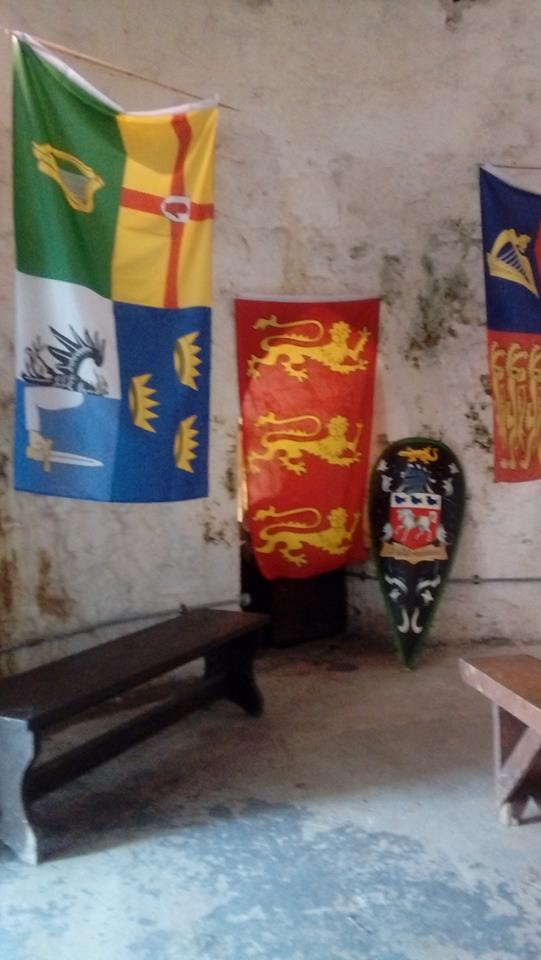
Views of the rooms in the Castle.
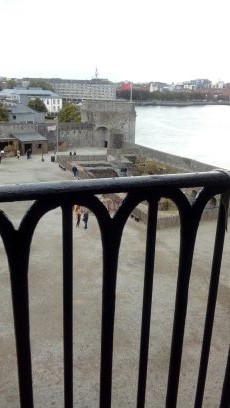

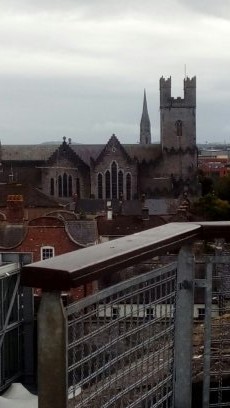
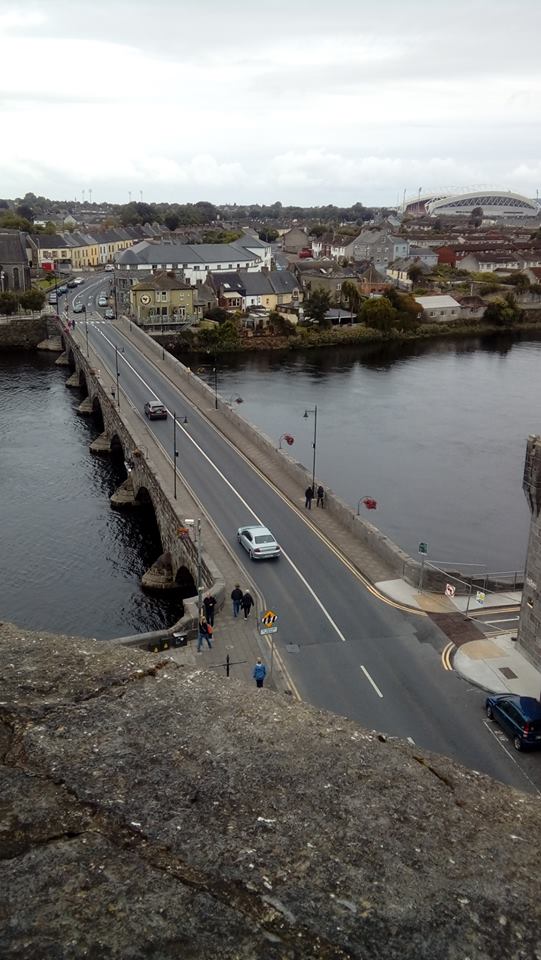
Views from the battlements. The final photograph is looking down on Thomond Bridge, where the final battle of 1691 was fought and depicted in the diorama in the museum. Easy to visualise the Jacobites routed and retreating from the County Clare side of the Shannon and seeking the shelter of the Castle.
St Marys Cathedral and Thomond Park Rugby Stadium can also be seen.
23rd August 2017. Limerick (population 100,000) is the biggest centre of population in south west Ireland. I took the Cork train from Dublin and got off at Limerick Junction, confusingly named platforms that are actually in County Tipperary. A waiting train took me to Limerick City which is a distance of 35 kilometres.
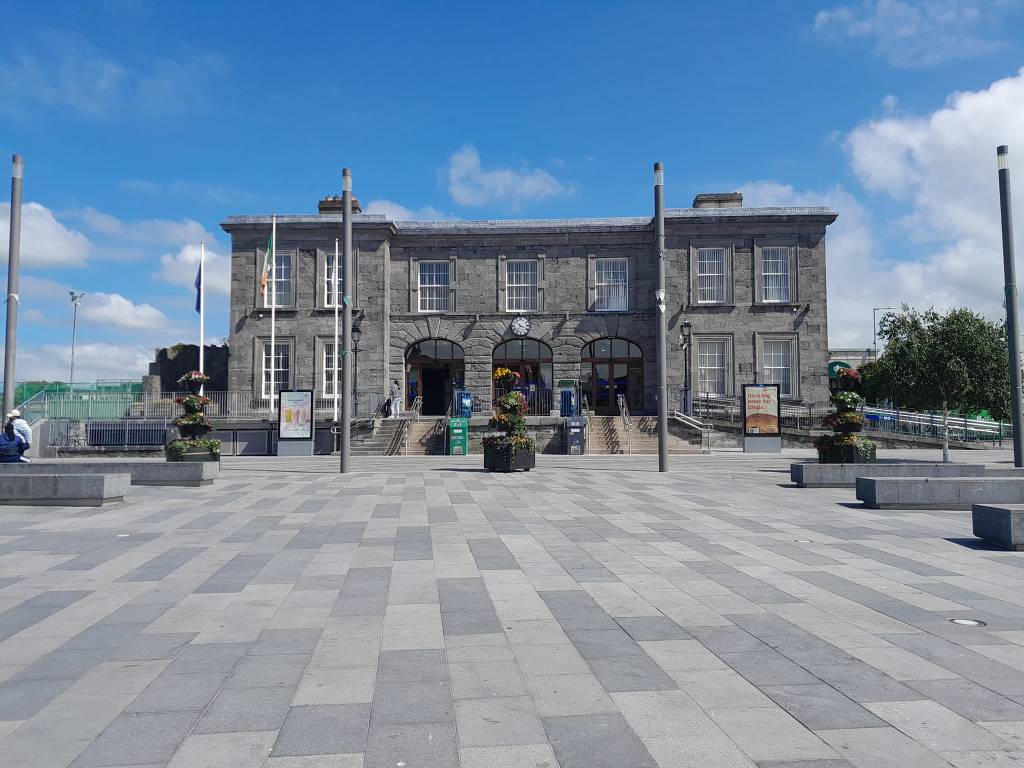
Limerick train station is named for Con Colbert, an executed leader of the 1916 Rising.
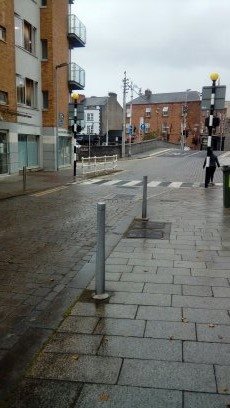
The walk from the station is where the fircest fighting would have taken place during the 1692 siege.
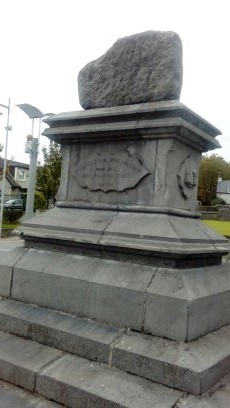
The Treaty Stone is probably the place where the Treaty of Limerick was signed on 3rd October 1691 which ended the Siege when the Jacobites surrendered to the Williamite Forces.
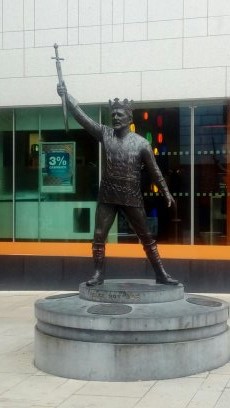
Richard Harris, actor who was born in Limerick. The statue depicts him in the role of King Arthur in “Camelot”.
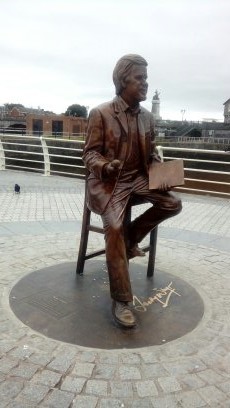
Broadcaster “Sir” Terry Wogan was born in Limerick. Went “native” when he joined BBC rising thru the ranks of the British establishment to become a Knight of their realm.
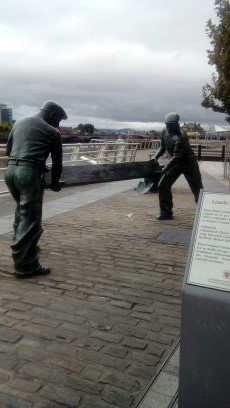
Dockers.
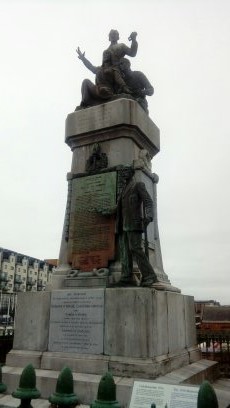
Easter 1916 Memorial.
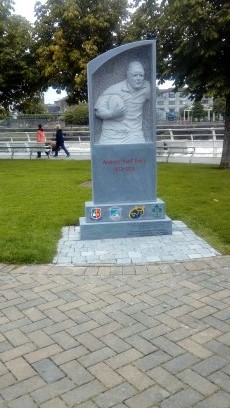
Anthony (Axel) Foley, rugby player.
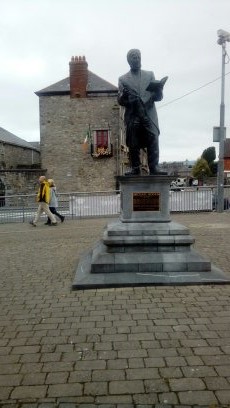
Michael Hogan, writer.
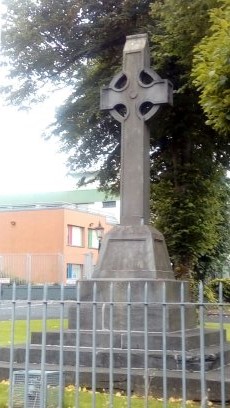
Jacobite Celtic Cross Memorial.
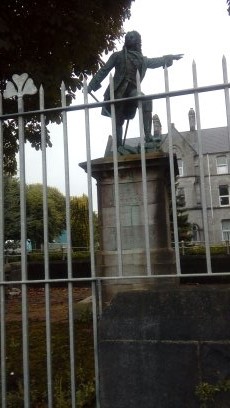
Patrick Sarsfield.
A real feeling of history all around that these bridges and (then) streets were the scene of fierce fighting during the Siege.
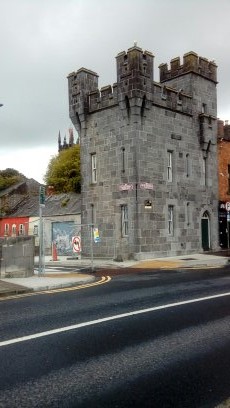
This modernised Tower is at Thomond Bridge, opposite King Johns Castle.
16th August 2017.
Lisburn (population 50,000) is a city (since 2002) about 25 kilometres from me and on the main railway line to Belfast which is about 14 kilometres from Belfast.
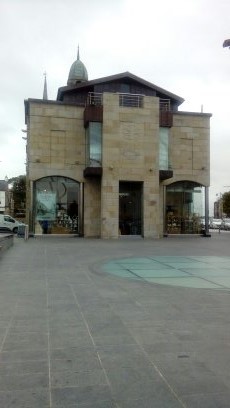
A former linen town, there is a linen museum in the town square. It is now largely a commuter town.
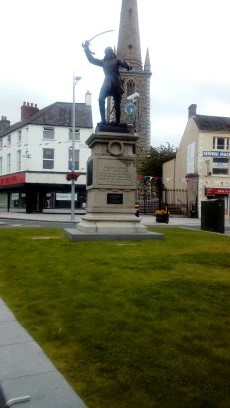
Lisburn is a mostly unionist town. A statue in the square is dedicated to Brigadier General John Nicholson who was a military officer in the “British Indian Army” and is known for his brutality in the Indian Mutiny. Notoriously Nicholson apologised to his fellow officers for being late for dinner as he had just hanged three cooks. He accused them of poisoning the dinner and fed some of the meal to a monkey who died. So he hanged the cooks.
He was killed in battle in 1857. Not a nice man.
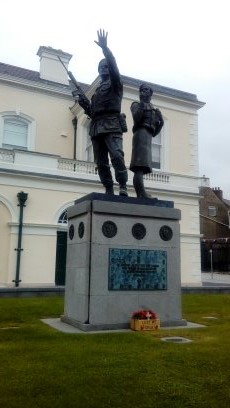
Another statue commemorates the controversial Ulster Defence Regiment. The monument features a male and female UDR member at a vehicle checkpoint.
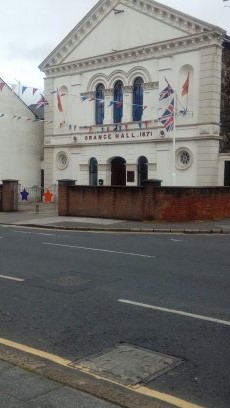
Orange Hall.
6th July 2017.
Greystones (population 20,000) a seaside town in County Wicklow. Maybe 5 kilometres south of Bray, where I had visited on 22nd June.
Back in 1977, the time of the Silver Jubilee of “Queen” Elizabeth of England, I stayed in Bray and actually walked over the cliffs to Greystones.
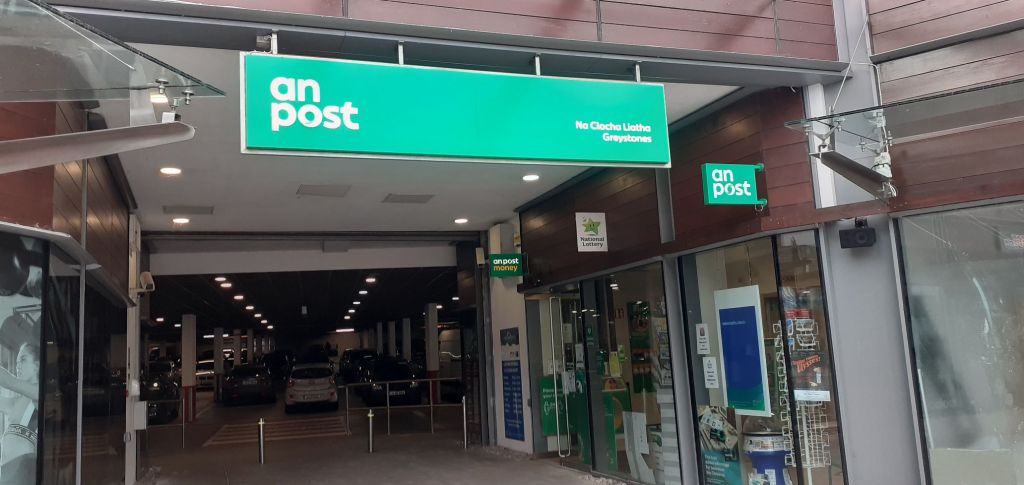
Unfortunately my camera phone ran out of battery and could not take photographs.
30th June 2017.
A trip by train to Waterford, a short time after my previous trip. The purpose was to go to Tramore (population 11,000) a seaside town and 15 kilometres by bus.
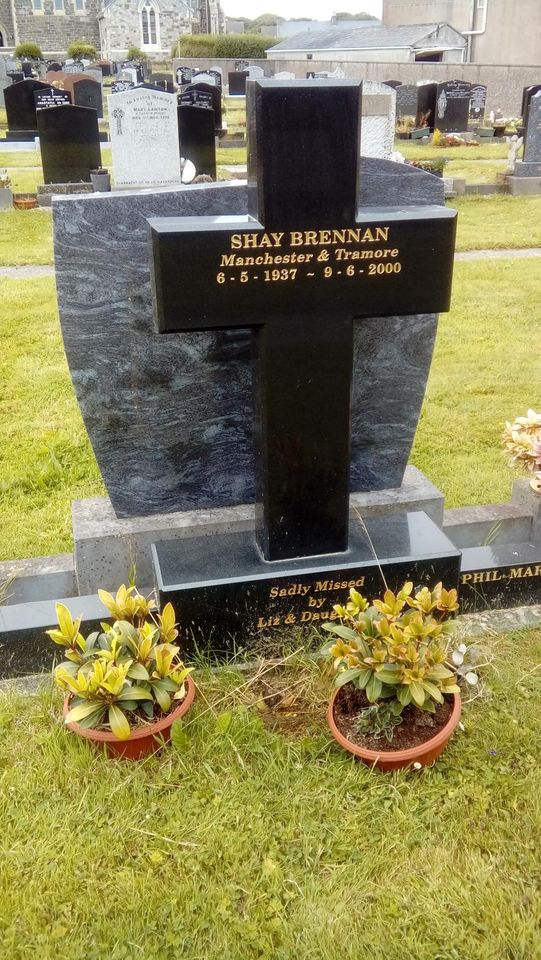
I only had about half an hour before getting the bus back to Waterford. Time to pay a pilgrimage to the grave of a personal hero.
Shay Brennan was born in Manchester of Irish parents and became the first English-born player to play for the Republic of Ireland. He made his debut (scoring twice) for Manchester United in 1958, their first game after the Munich Air Crash.
After leaving Manchester United, he moved to Ireland and lived in Tramore and had a long association with Waterford United.
22nd June 2017.
Bray (population 30,000) is a seaside town about 22 kilometres south of Dublin and just over the county line in Wicklow.
Popular day trip destination for Dubliners and also for holiday makers, I have stayed there on several occasions, my first visit being a day trip with a church youth group in June 1966.
It is now a commuter town.
I took the DART (Dublin Area Rapid Transport) train from Dublin.
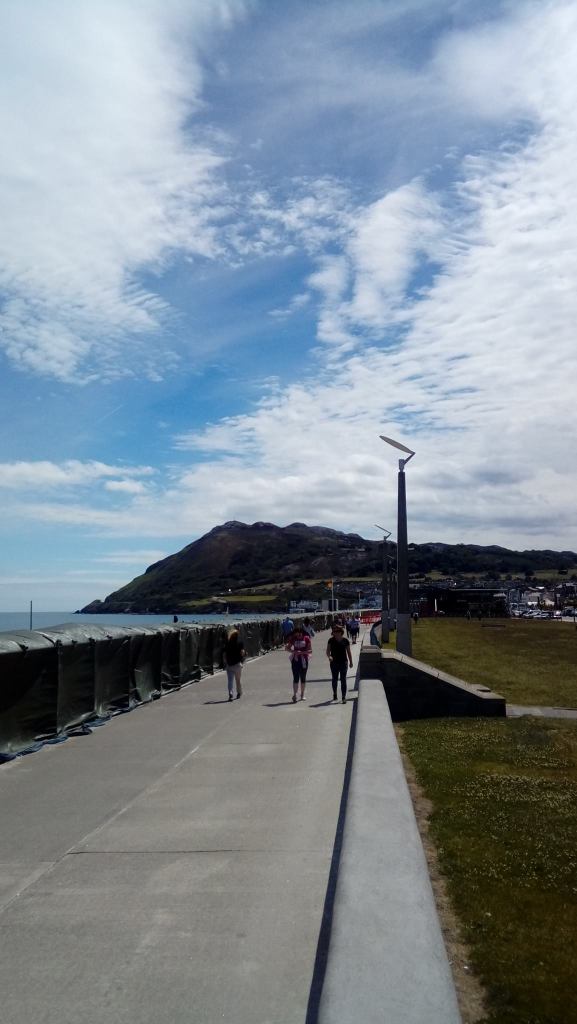
Looking south along the promenade. The hill is Bray Head. There is a cross at the summit and I climbed to there with friends in 1966. And again with my wife and sons in 1992.
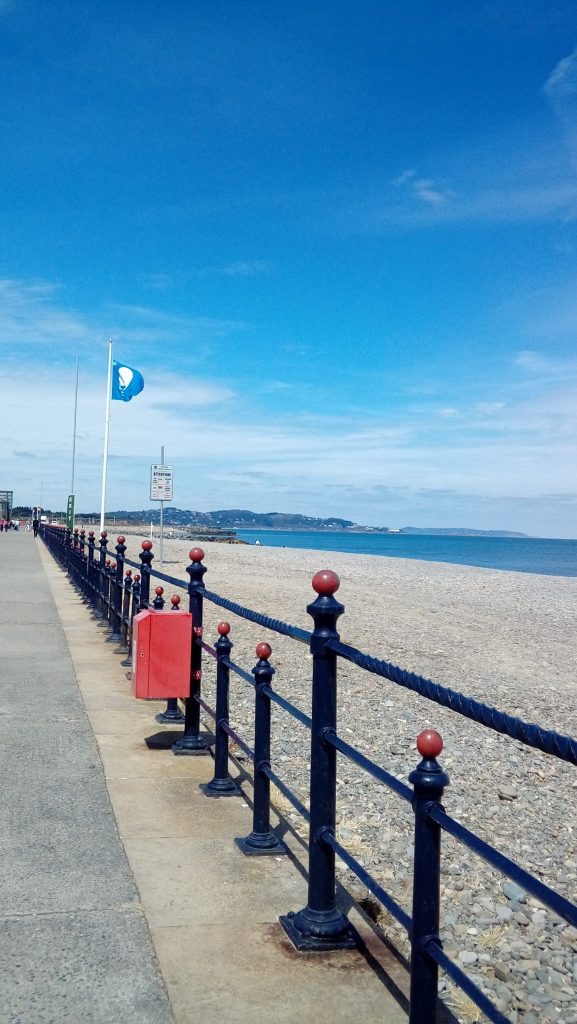
Looking north along the Promenade.
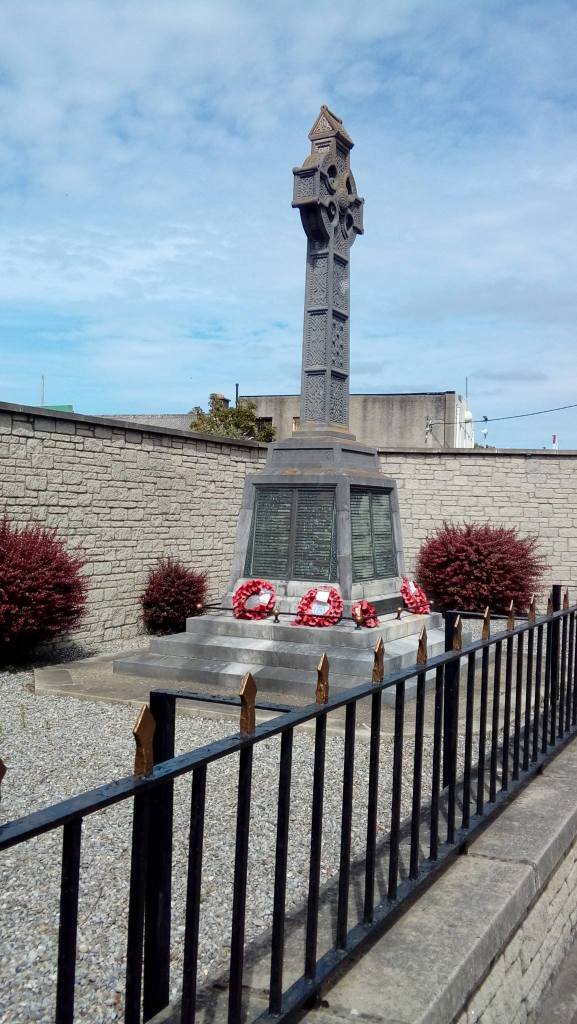
The British War Memorial is near the railway station.
19th June 2017.
Waterford (population 60,000) is the principal city in south west Ireland. Coach from Dublin thru Kildare, Laois, Carlow and Kilkenny,
As the name suggests it has Viking origins and is on the River Suir. The harbour and quay are parallel to the main street.
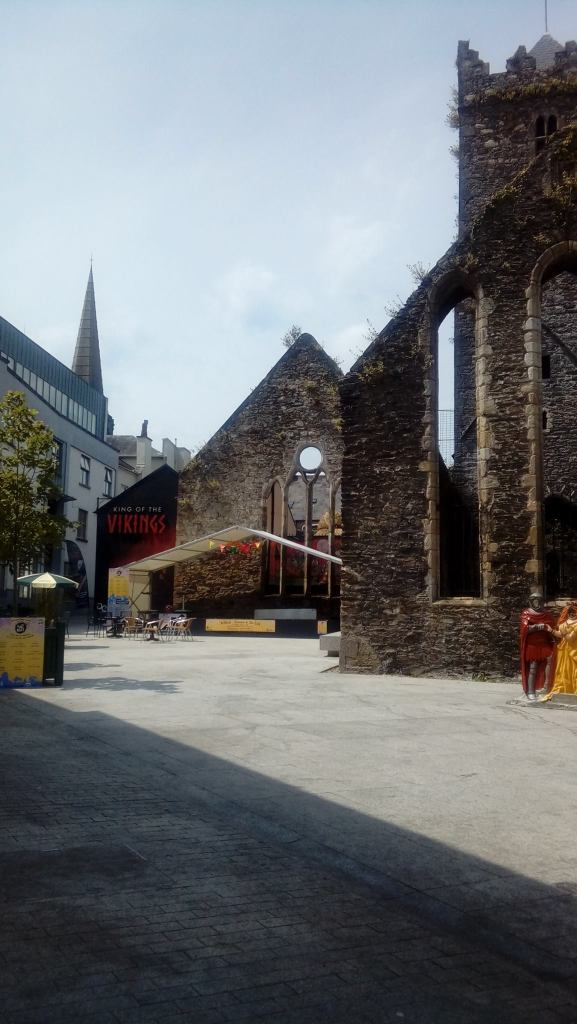
Beside Reginalds Tower.
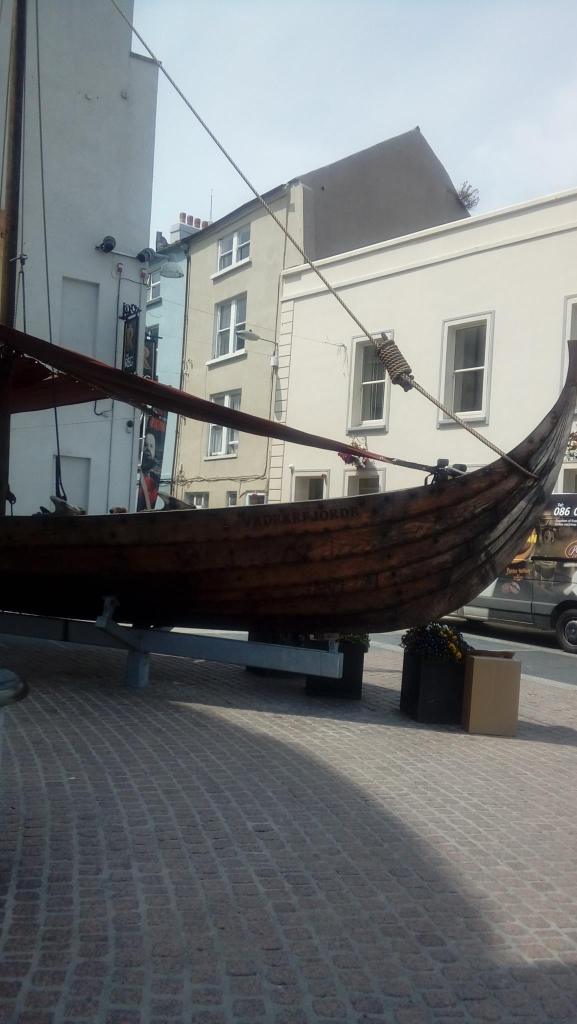
A replica Viking longship.
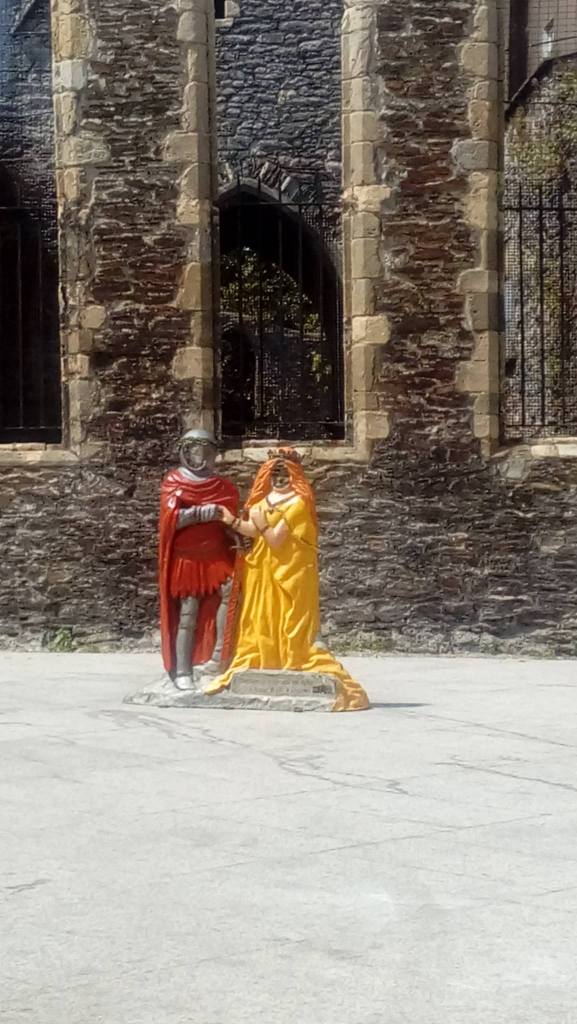
There is a lot of medeival buildings centred on Reginalds Tower.
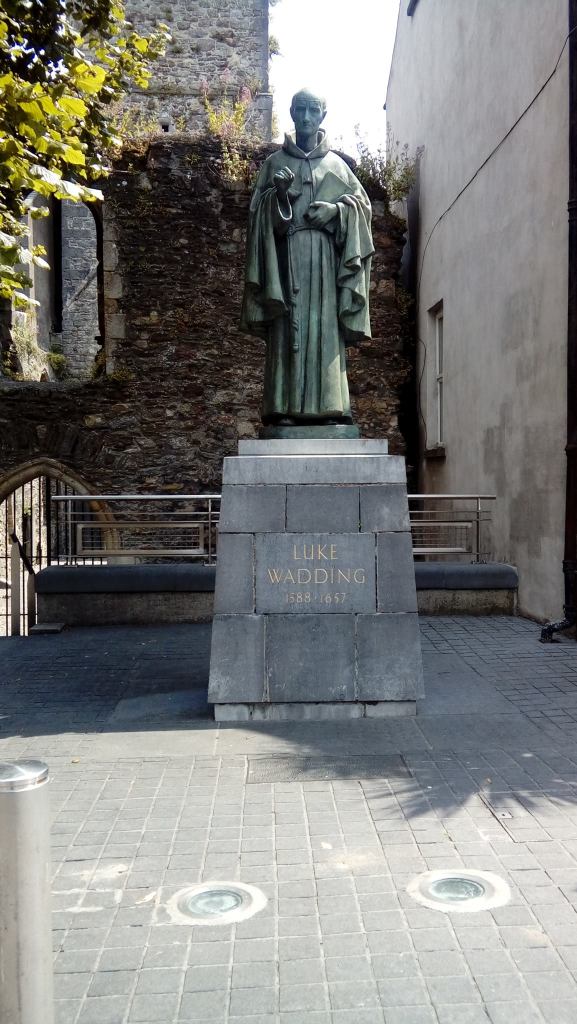
I was surprised to find that the statue of Fr Luke Wadding (1588-1657) is in a new location. Born in Waterford, he was the emmisary of the Pope to the Irish Confederates during their rebellion.
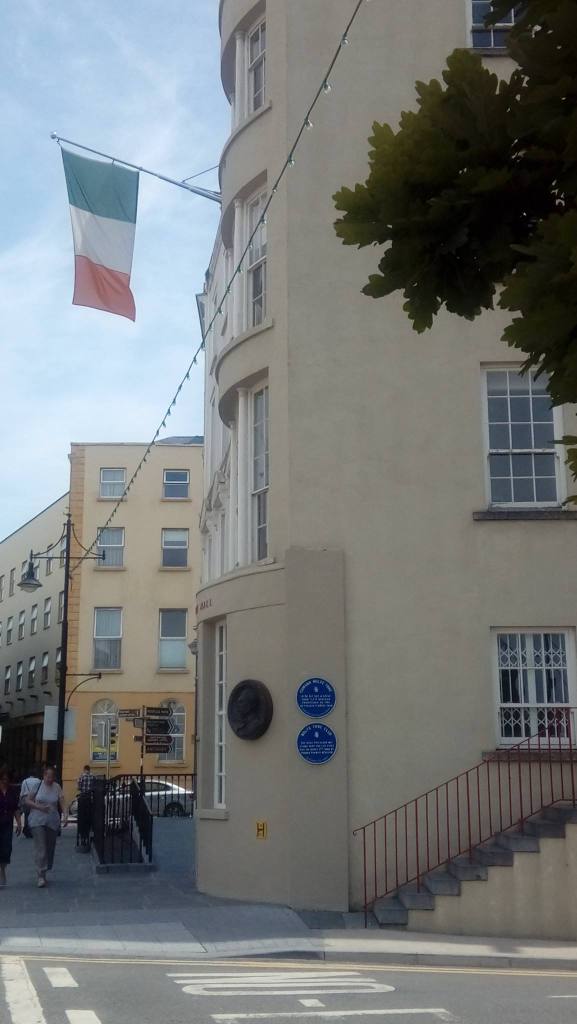
The Irish National Flag (or what would become the National Flag after independence) was first unveiled by Thomas F Meagher, a Young Ireland leader on 7th March 1848 from a window of the Wolfe Tone Club.
The Flag flies from the same window, now aI believe a wine importers.
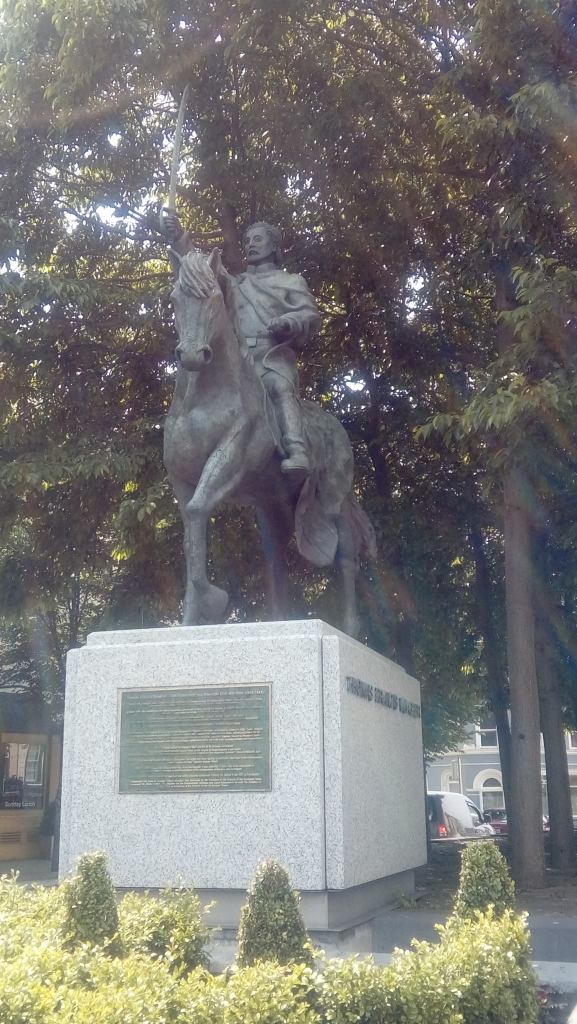
A statue for Meagher, now stands in the street, underneath the Flag. Sentenced to death, for his part in the Young Ireland Rising, the sentence was commuted to deportation to Van Diemens Land. He escaped and made a new life in New York City. During the Civil War (1861-65) he was the General commanding the Irish Brigade. After the war, he was appointed Governor of the Territory of Montana. He died in mysterious circumstances, most likely by falling overboard from a paddle steamer. His body was never found.
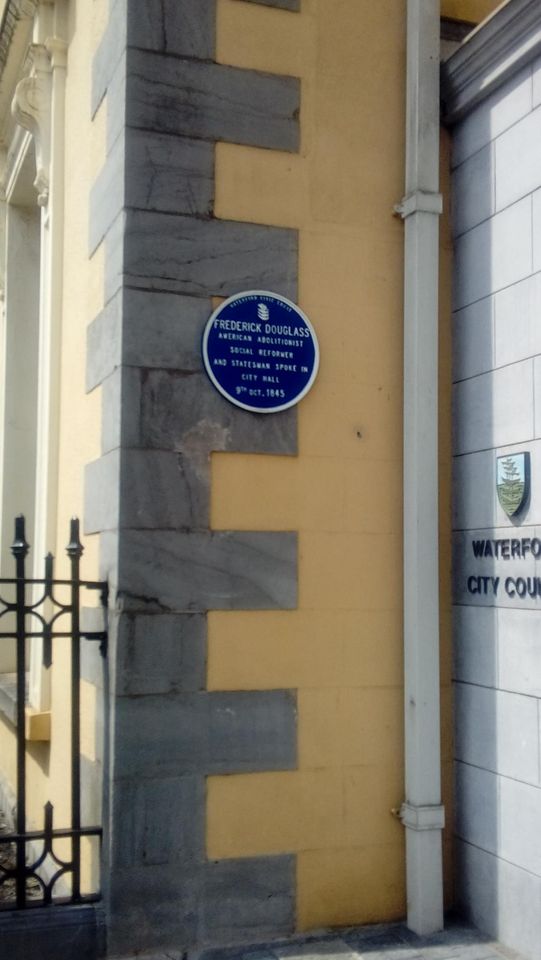
Frederick Douglass the American abolitionist spoke at Waterford City Hall in October 1845.
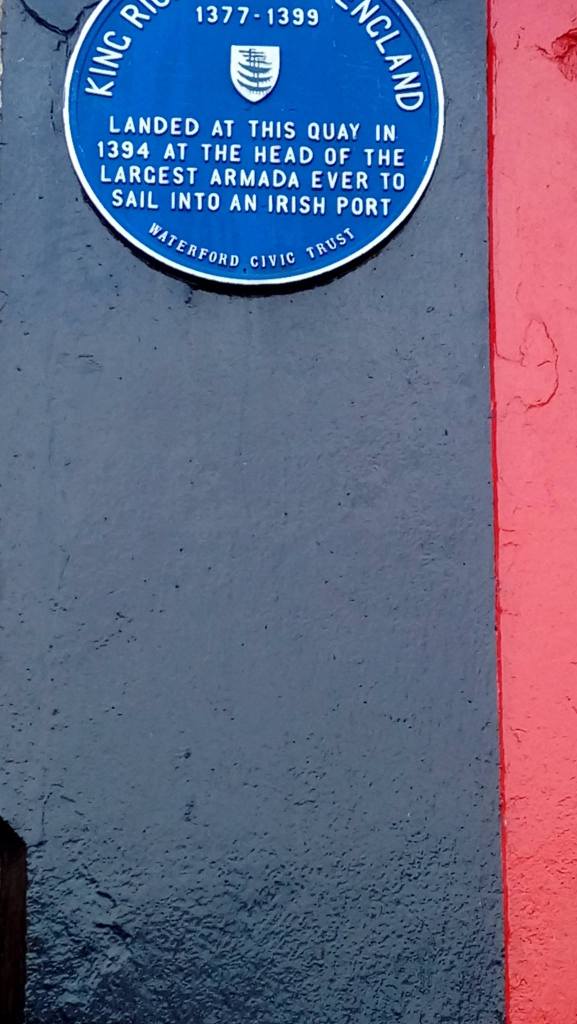
A plaque commemorating Richard IIs arrival in Waterford at the head of the largest armada to sail into an Irish port in 1394.
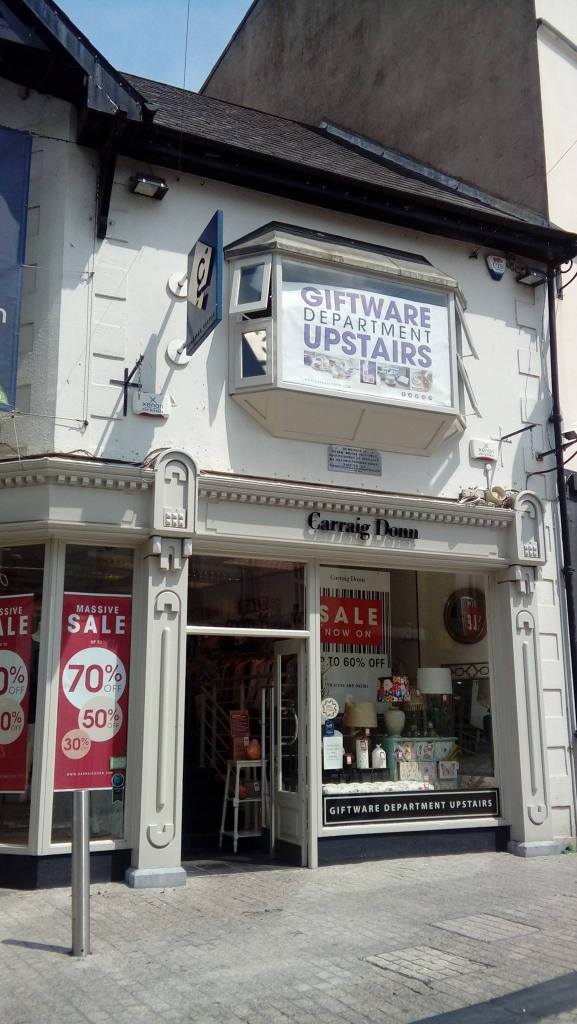
The plaque above this store in the main street, commemorates John Moore who was President of the Republic of Connacht during the 1798 Rebellion. When the rebels were defeated he was taken to Waterford for transportation to Australia. He died in this building then the Royal Oak coaching inn en route to New Geneva Gaol. His grave was re-discovered in 1960 and the body exhumed and re-buried in Castlebar, County Mayo.
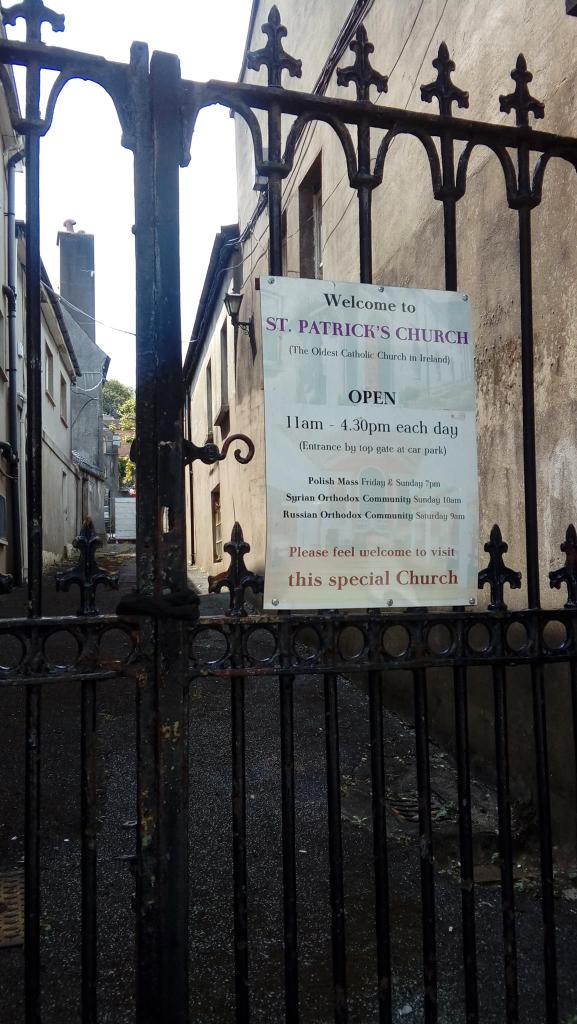
St Patricks…the oldest Catholic church in Ireland.
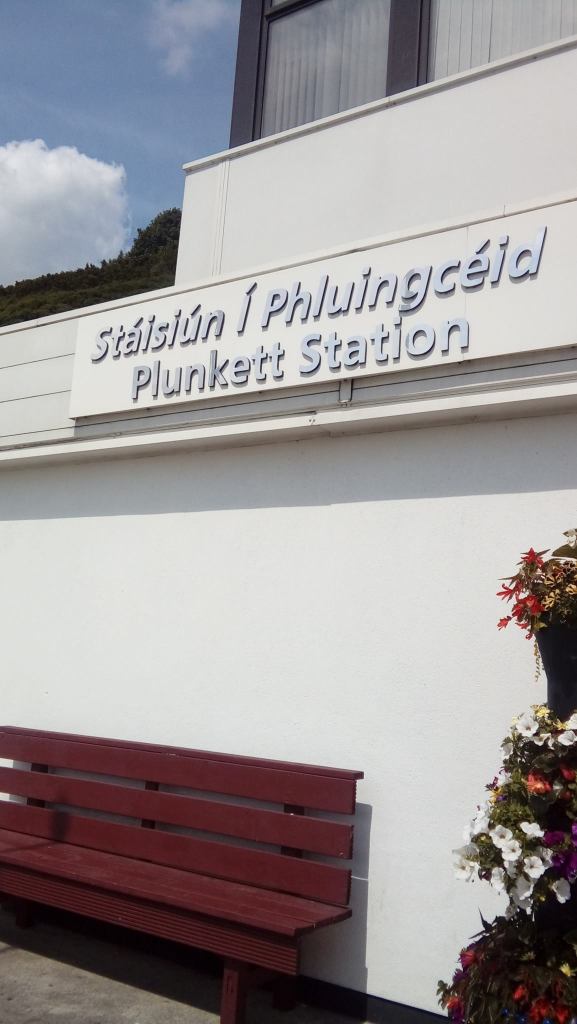
Waterford train station is named for Joseph Plunkett, one of the signatories of the 1916 Proclamation.
1st June 2017. Short journey by train from Portlaoise. About 18 kilometres.
Portarlington (population about 9.500). Shocked to discover a long walk of maybe 3 kilometres from the station to the town.
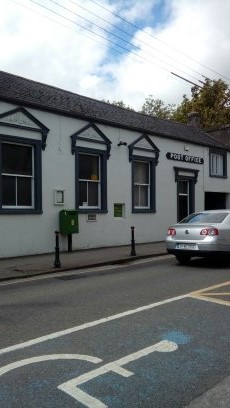
The post office is pretty unique, somewhat different from corporate design and logo.
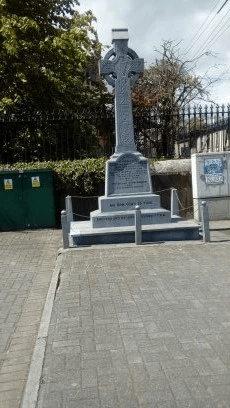
The 1798 Memorial, in the design of a Celtic Cross is in the Market Square, where several local rebels were hanged for their part in the Rebellion.
A long walk in the blazing sun back to the train station and the train to Dublin.
 Ireland: The Final Frontier