7th May 2018.
7th May 2018.
7th May 2018.
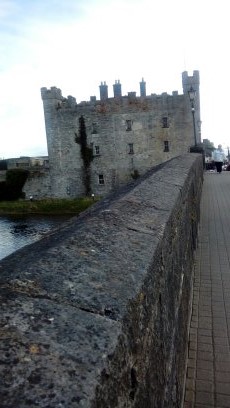
I travelled to Bagenalstown on the train from Dublin, a distance of 102 kilometres. It has a population of 2,500 and is often called Muine Bheag.
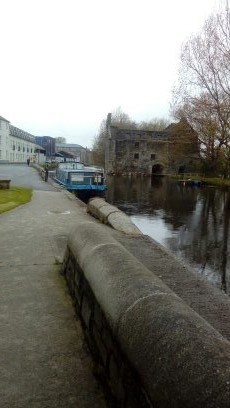
It is located on the River Barrow.
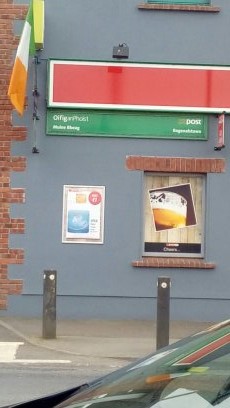
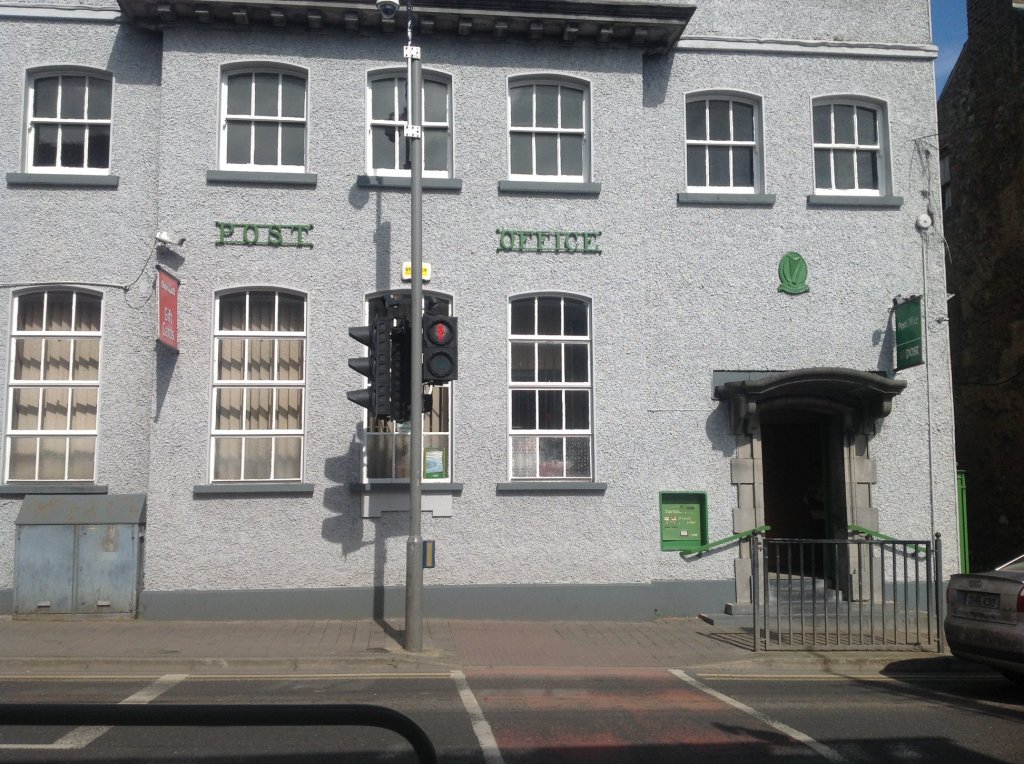
Post Office.
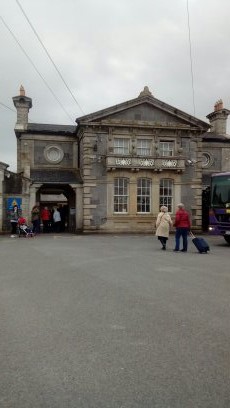
Railway Station.
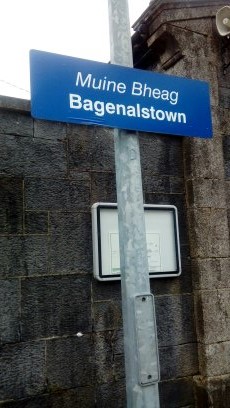
Railway Station.
A brief walk around the town and I took a train north to Athy in County Kildare.
3rd May 2018.
DART to Dalkey (population 7,500) about 16 kilometres from Connolly Station. A town that is home to many of Irelands leading celebrities, including I believe Bono who is apparently a musician. I took a left turn when I left the station and found myself walking up a very steep hill. Eventually I came to a junction with a signpost indicating that I turn right. Eventually I came to the town.
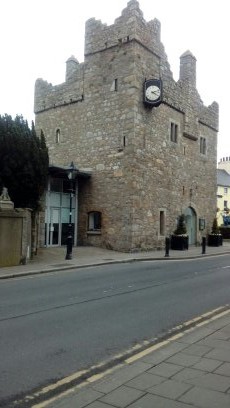
The Norman Castle is now a heritage centre
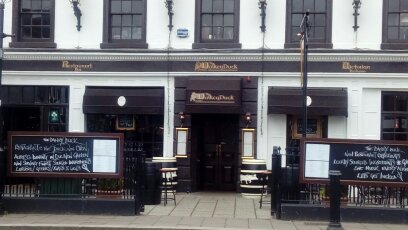
Pub in Dalkey.
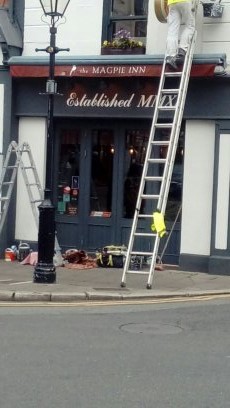
Pub in Dalkey.
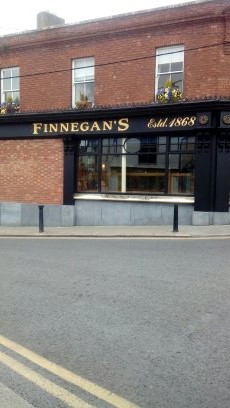
Pub in Dalkey.
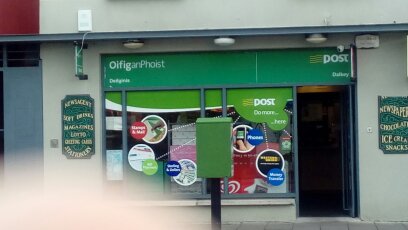
The Post Office.
As I turned a corner, I found the DART station. A bit embarrassing that I had taken the wrong turn and gave myself a long walk, mostly uphill in the blazing sun which was unnecessary.
25th April 2018.
I travelled by train from Heuston Station to Carlow (population 22,000) which is 100 kilometres to south east.
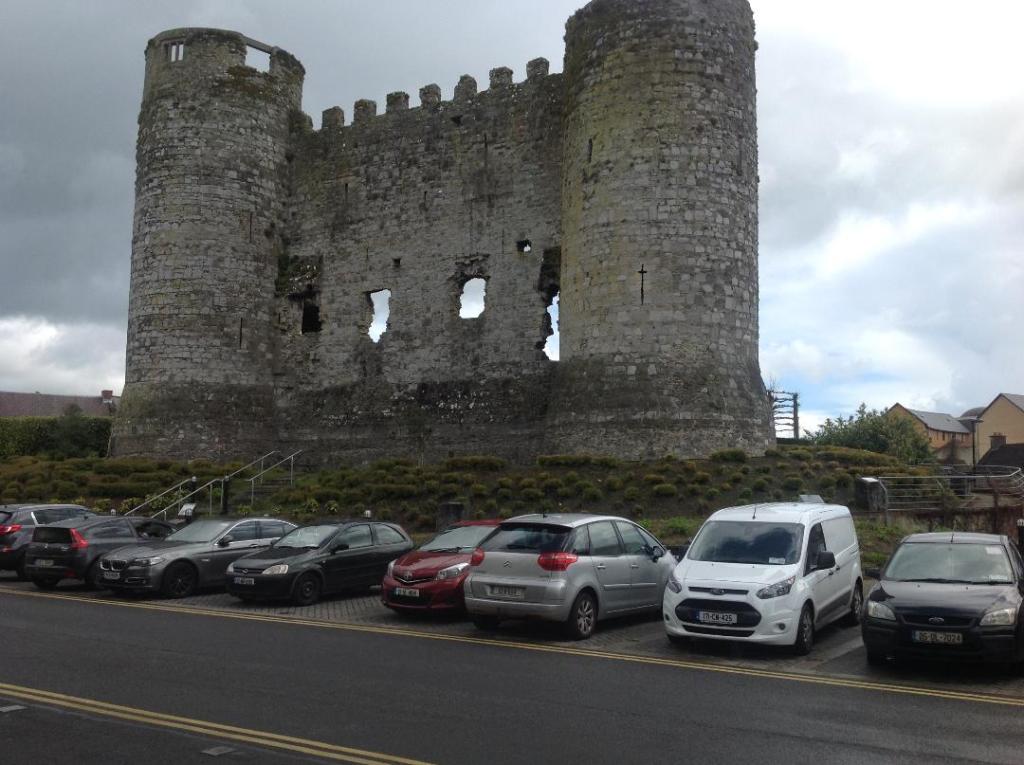
Frankly an unsuccessful day as I “lost” most of the photographs I took. The only one that survived was this image of Carlow Castle, which dates from the middle of the 13th century. It was the scene of a massacre of rebels during the 1798 Rebellion.
23rd April 2018.
Naas, the county town of County Kildare has a population of about 25,000. Growing as part of the expansion of Dublin commuter belt. And part of the “horse country” of Newbridge, Naas, Kildare and The Curragh.
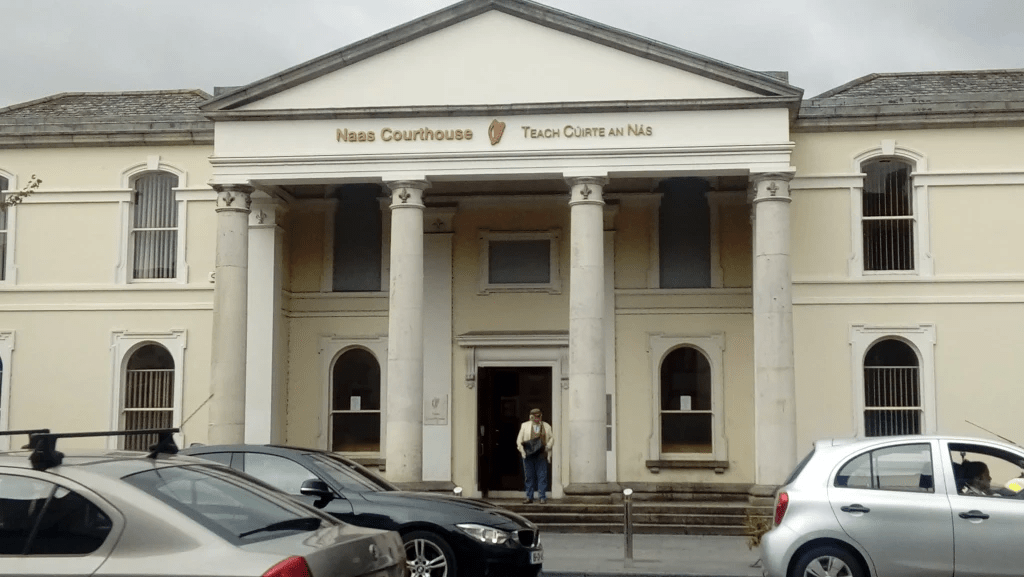
Court House.
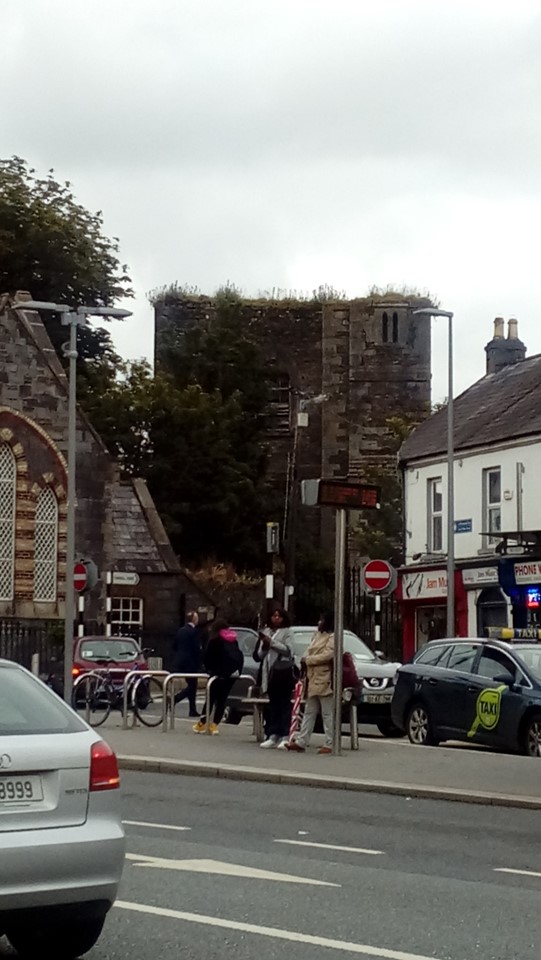
Castle.
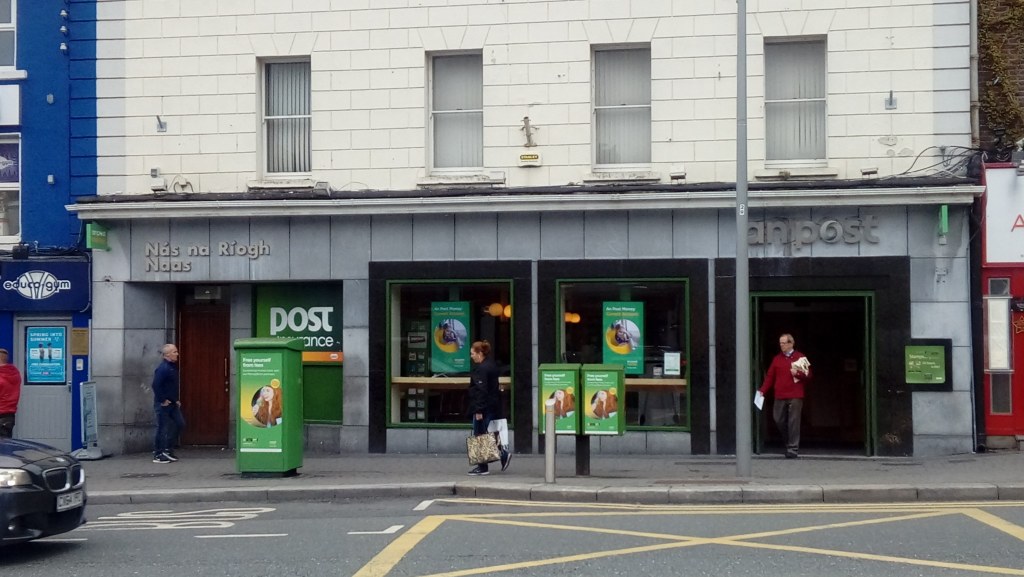
Post Office.
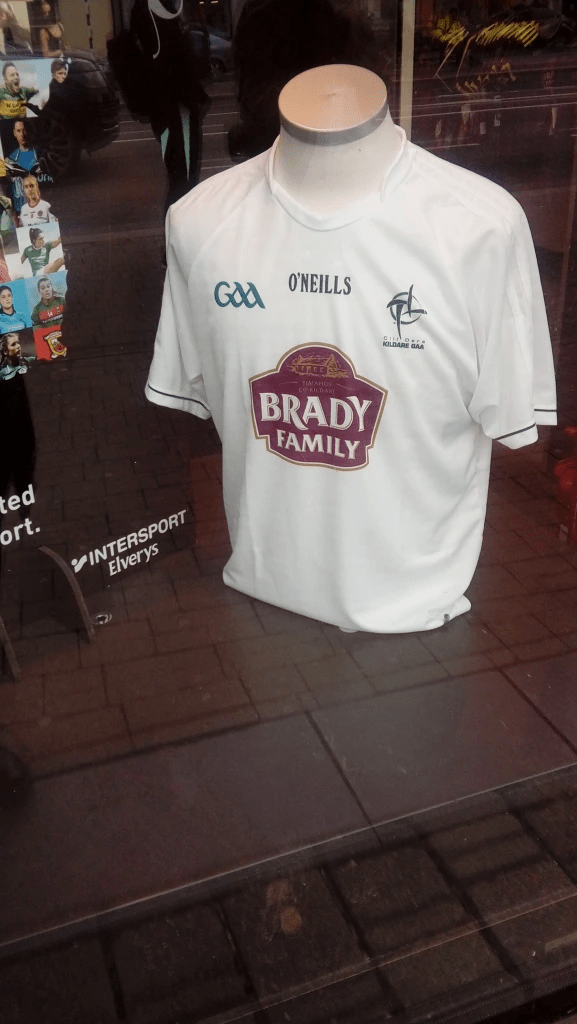
The GAA colours of KIldare.
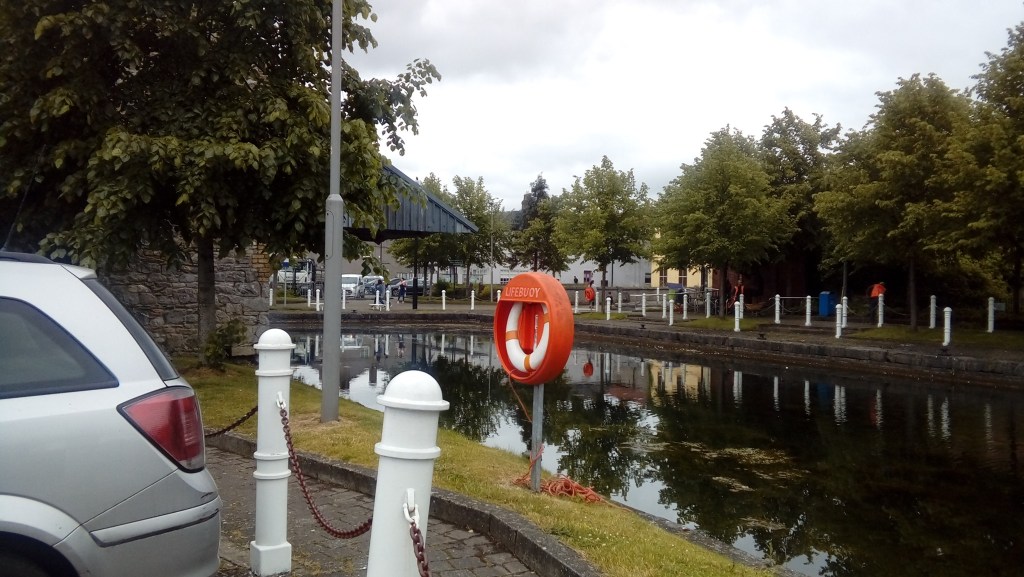
The Grand Canal.
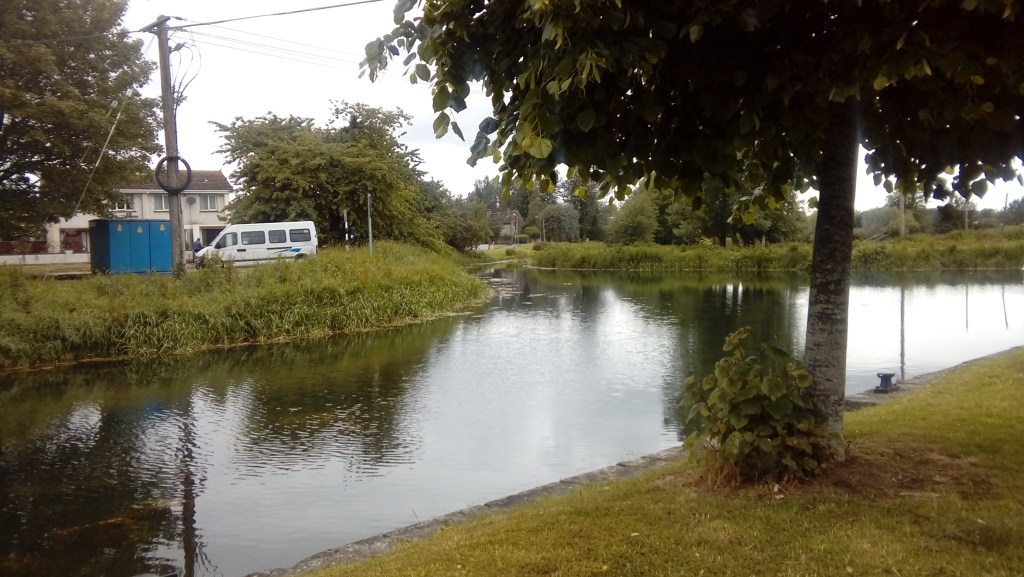
The Grand Canal.
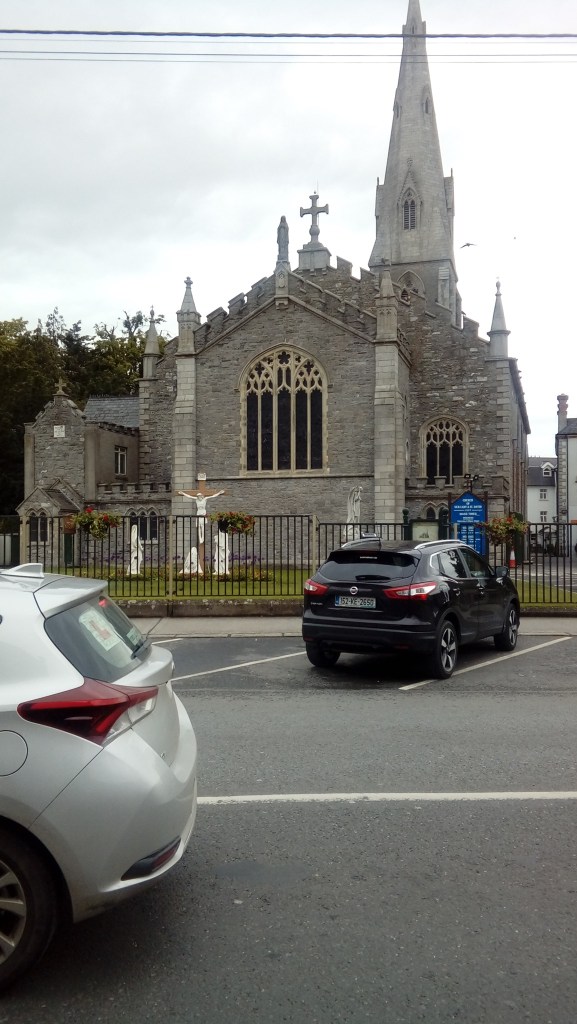
The Catholic Church (Our Lady & St David)
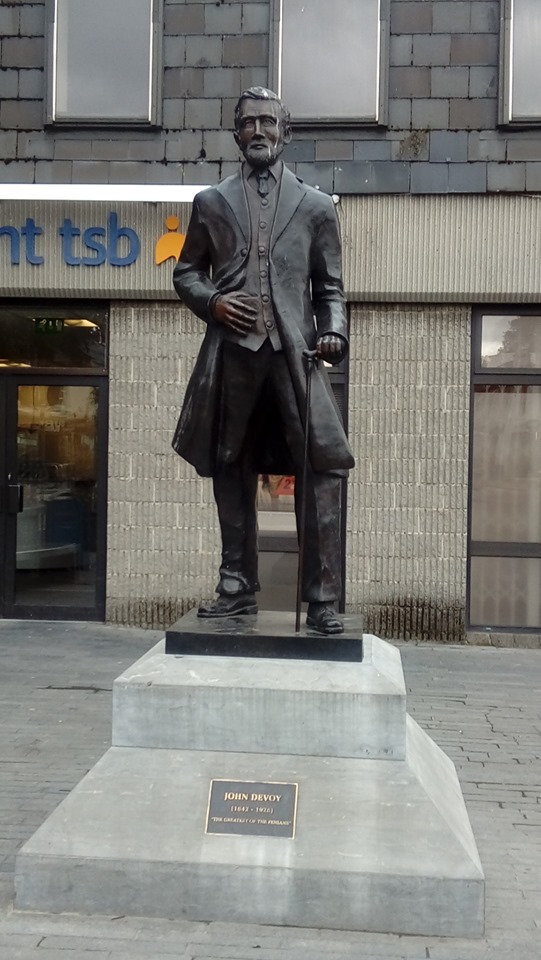
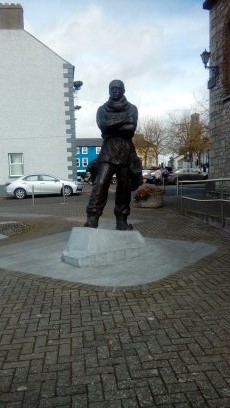
Statue, unveiled in 2016 (centenary of Easter Rising) of Irish patriot John Devoy (1842-1928) who was born nearby in Kill. He joined the Fenian Brotherhood while still a teenager and was an organiser in Naas. He was arrested and served time in prison for organising Irish soldiers in the British Army. He was sentenced to several years but the sentence was commuted to banishment for the duration of the prison term.
Devoy went to United States of America and became an organiser of the Fenians and Irish Republican Brotherhood.
His republican activism includes the Young Ireland Rising, Fenian Rising and the Easter Rising.
He died in New Jersey but is buried in Dublin.
I took the bus back to Dublin.
23th April 2018.
I took the train from Dublin to Newbridge (population 20,000), a distance of 25 miles.
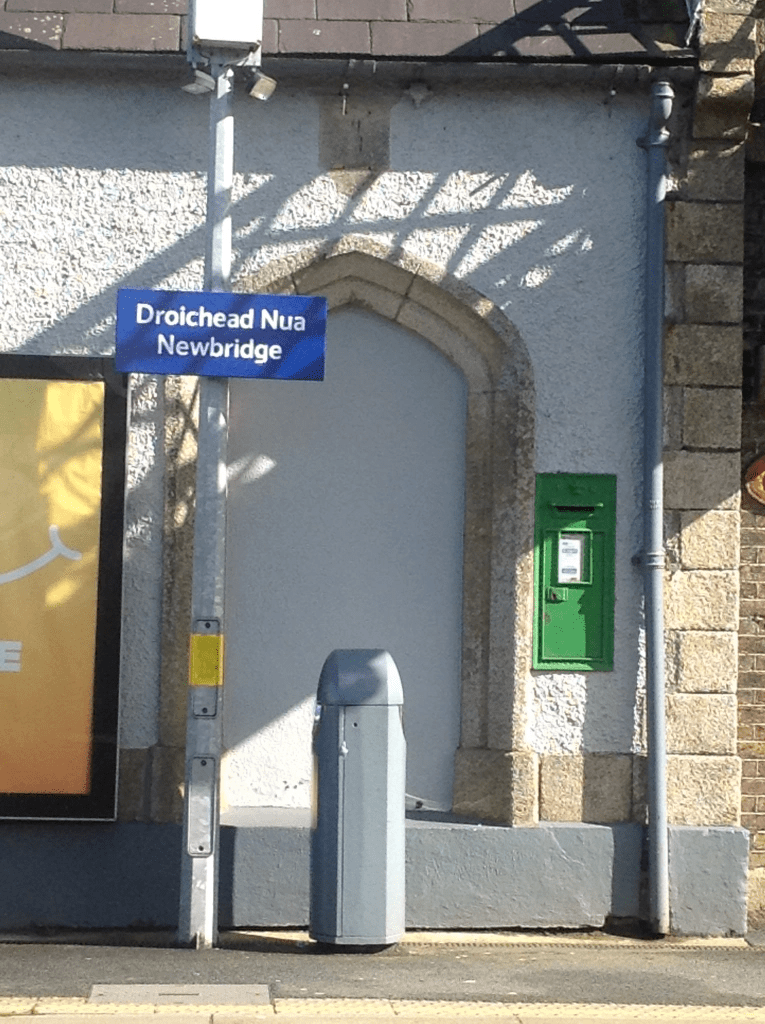
Railway Station.
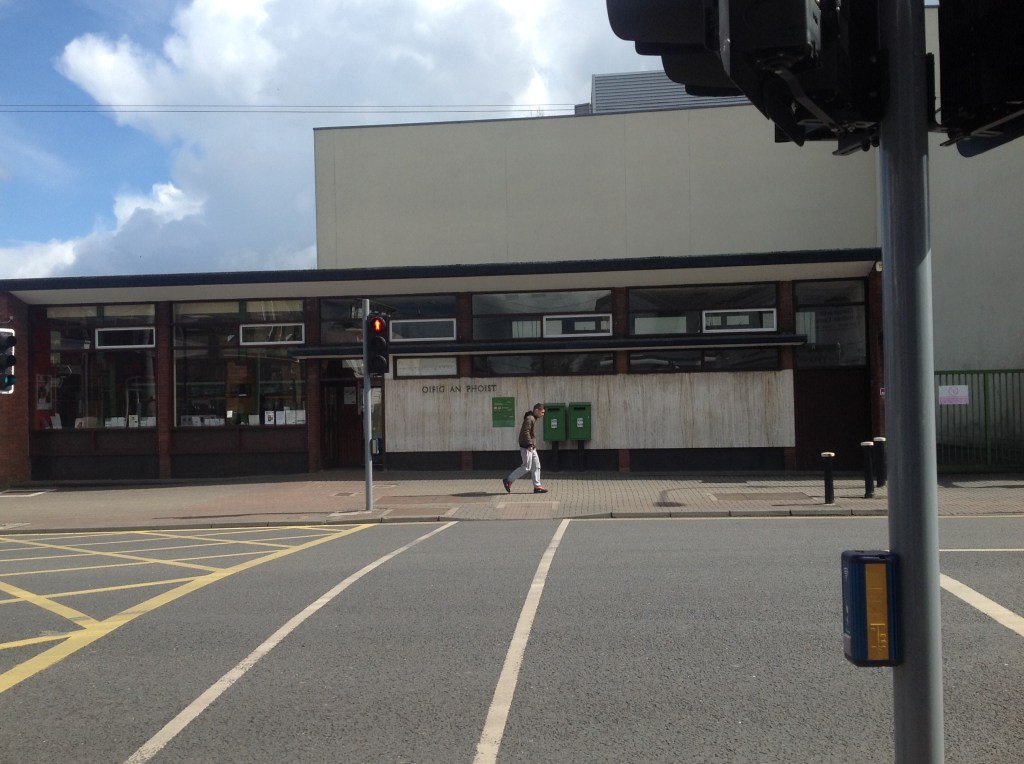
Newbridge Post Office.
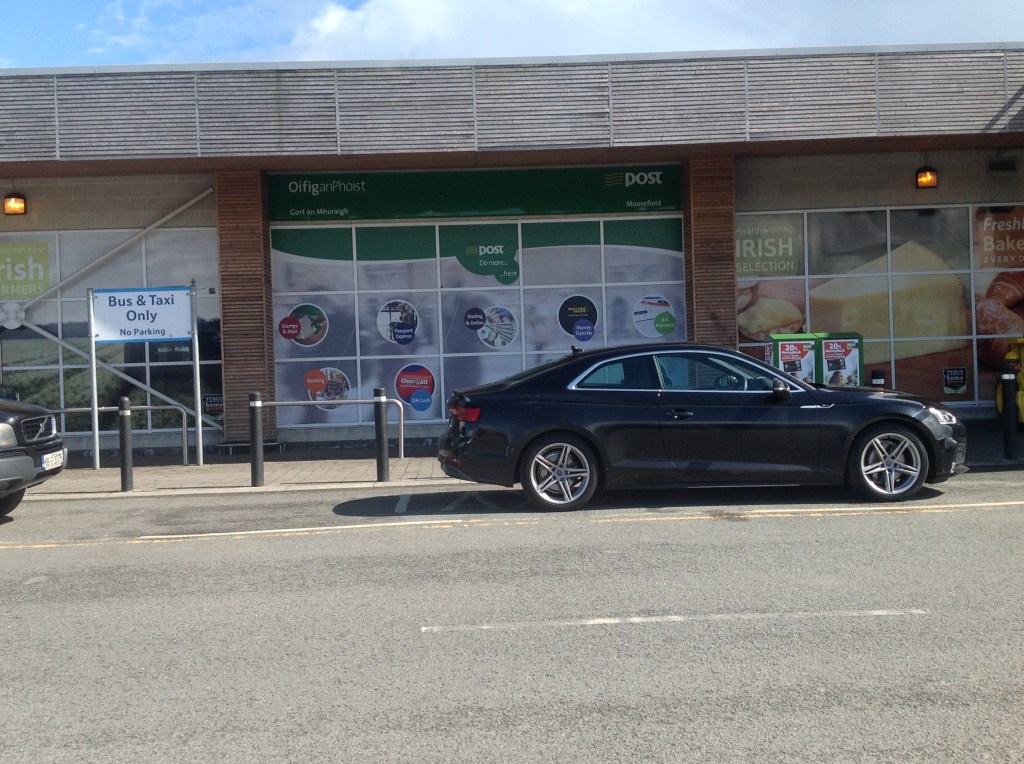
Moorfield Post Office.
Once a British garrison, it is now a commuter town and the population is constantly growing. No evidence of the old cavalry barracks.
A pretty dull main street.
I took a bus to Naas about 10 kilometres west.
17th April 2018.
Bus Éireann coach from Connolly Station to Edenderry (population 7,000) the first town in County Offaly after passing thru County Kildare. The distance about 65 kilometres.
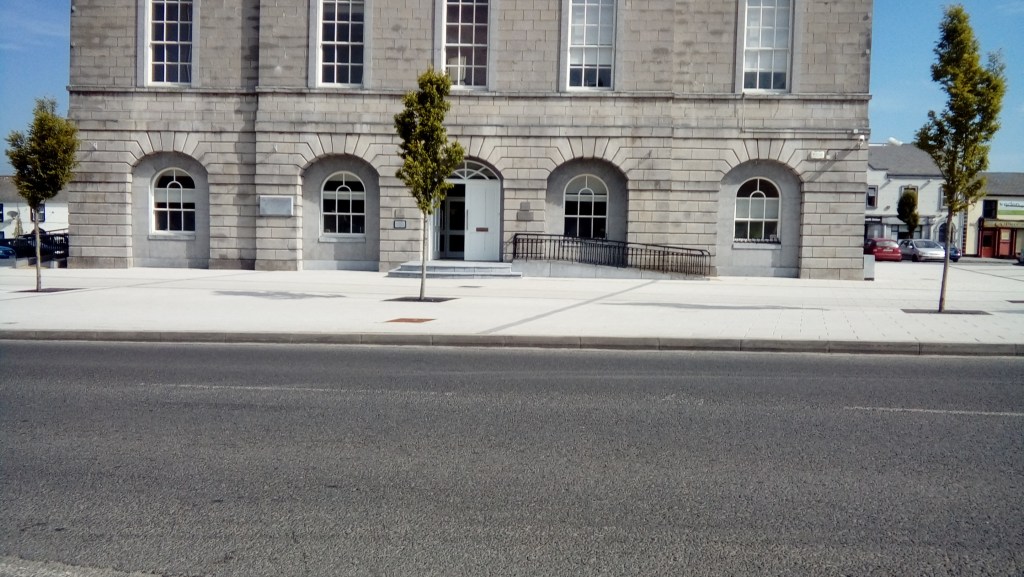
Town Hall.
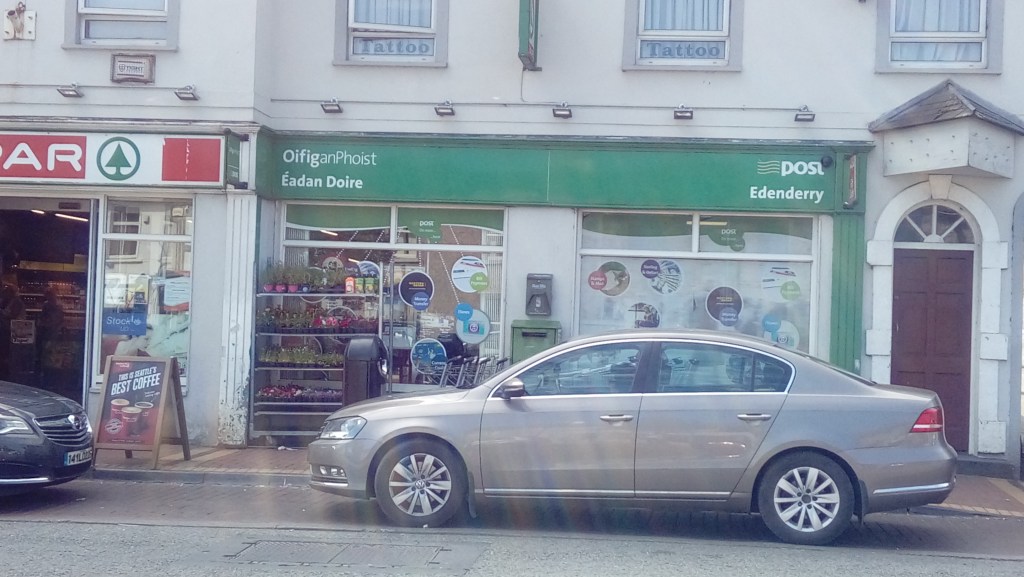
Post Office.
Stayed about an hour and walked around.
The coach journey back thru villages like Carbury, Allenwood and Coill Dubh was nice.
22nd March 2018. I took a train from Dublin. Monasterevin (population 4,000) is about 63 kilometres from Dublin. Once a national joke because of the traffic congestion as traffic from south west and west travelled to and from Dublin, it is now by-passed by modern roads.
Situated on the River Barrow and Grand Canal.
The strange thing is the streets in a grid pattern and a lot of care went into the layout by the landowners (Moores)
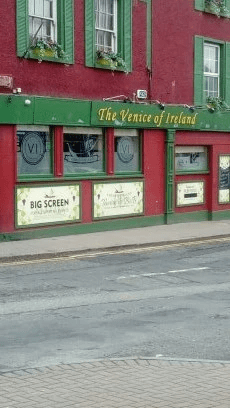
Known as the Venice of Ireland, the name survives in the name of a pub.
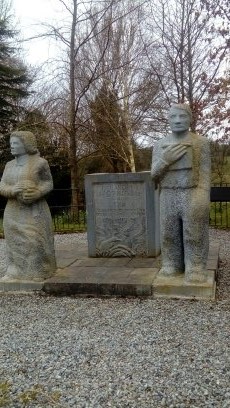
The monument to Gerard Manley Hopkins, poet, who was a regular visitor.
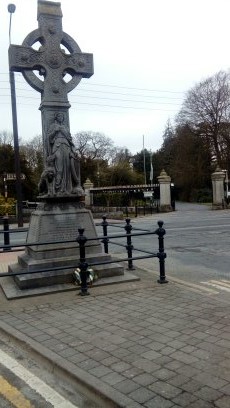
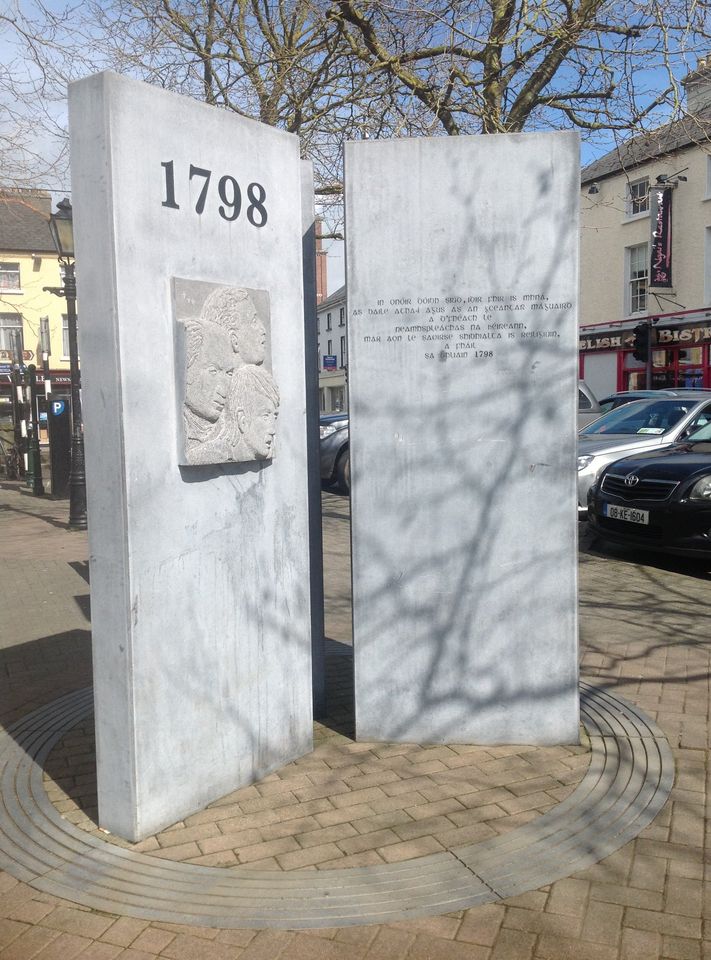
The Celtic Cross commemorates the 1798 Rebellion and specifically Father Edward Kavanagh, a local priest who was executed. Fr Kavanagh was not a revolutionary but did minister to wounded in the rebel camp.
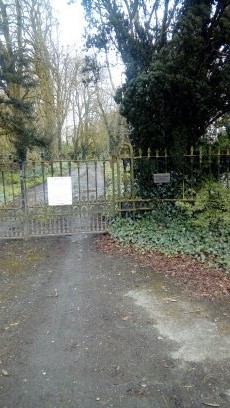
John McCormack the famous Irish tenor lived in Monasterevin and I think it might have been the big house behind these gates.
Monasterevin was headline news for two weeks in the 1970s when Dutch businessman, Tiede Herrema was held hostage by IRA in a house in the town.
8th November 2017.
A bus (Route 44) from Dublin Quays to Enniskerry (population 2,000) via Dundrum, Stepaside and Kilternan. The journey takes about an hour. One of Irelands major tourist attractions, Powerscourt House and gardens is a short distance from Enniskerry. A German military cemetry is also nearby.
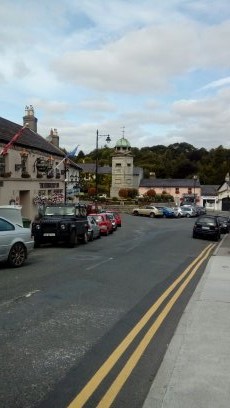
The Square.
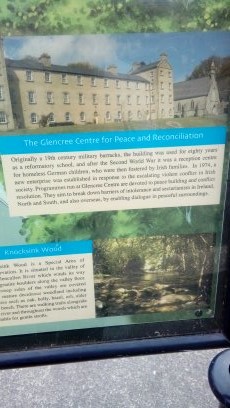
The Glencree Centre.
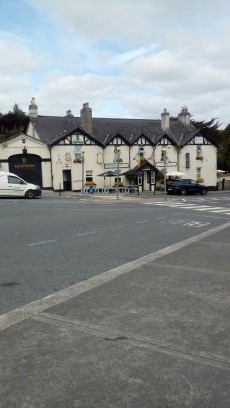
Pub and Restaurant.
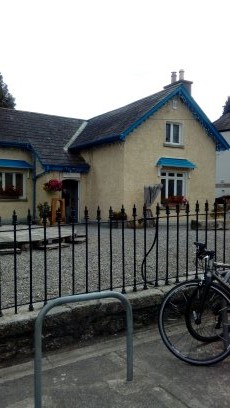
Old School.
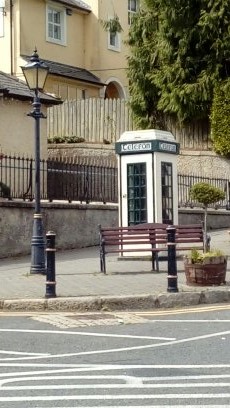
Old Telephone Kiosk.
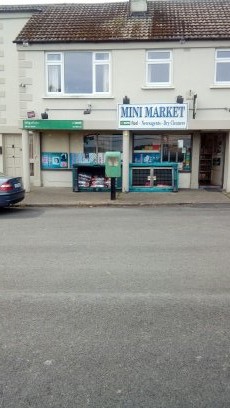
There is something about Enniskerry that still seems like an “ascendency” pre-Independence village.
After a walk around, I got a bus to Bray, about 7 kilometres from Enniskerry.
10th October 2017.
A train from Portadown to Dundalk (population 40,000). About 50 minutes.
Dundalk is about 10 kilometres from the “border” with Norn Iron and during the Troubles (1969-1998) was a refuge for IRA men who were “on the run” and/or organising attacks in South Down and South Armagh.
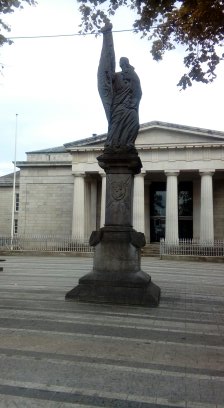

Monuments include a 1916 Memorial and a very peculiar sculpture that honours the visit of American President, Bill Clinton.
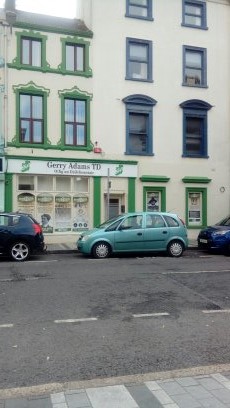
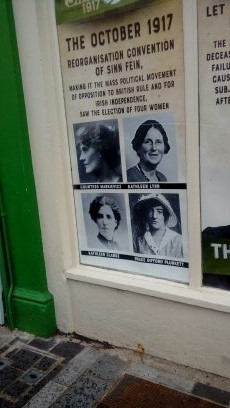
The office of Gerry Adams TD (Sinn Féin).
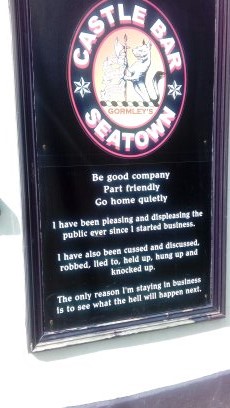
A sign on a pub in Dundalk.
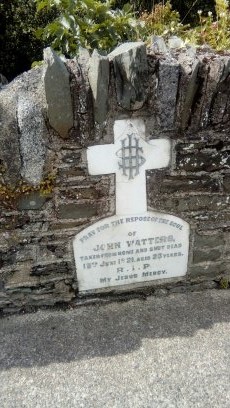
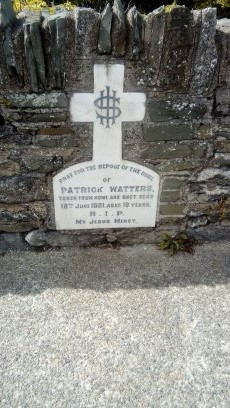
Memorials to IRA volunteers (brothers) who were killed by British Crown Forces in 1921.
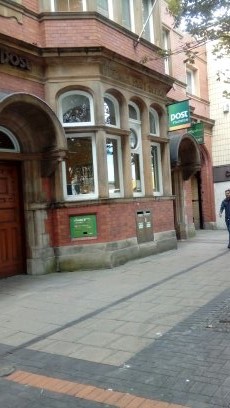
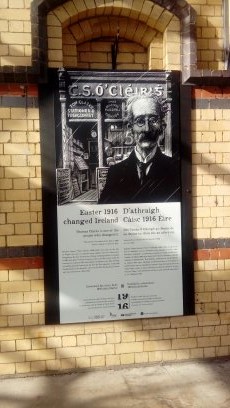
I took the train from Dundalk station, named for Thomas J Clarke, (signatory of the 1916 Proclamation) who was executed.
One unhappy note. I left my baseball cap (a souvenir from the Irish National Stud) in a sandwich bar.
 Ireland: The Final Frontier