Posted in County Tyrone

County Tyrone: Dungannon

14th June 2018. Bus from Lurgan to Dungannon (population 16,000) a distance of 22 kilometres. I lived in Dungannon from 1979 to 1982.
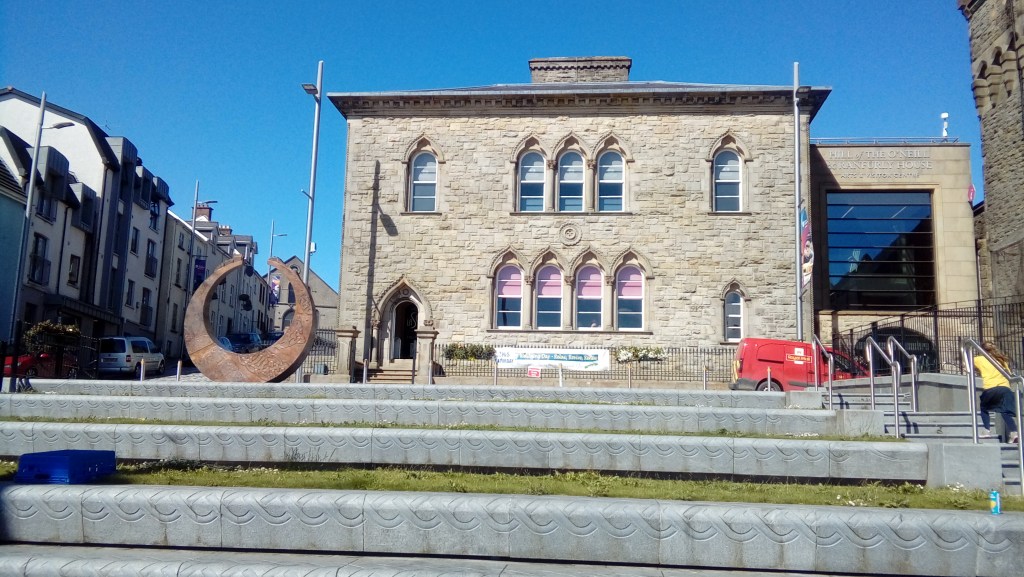
Ranfurley House.
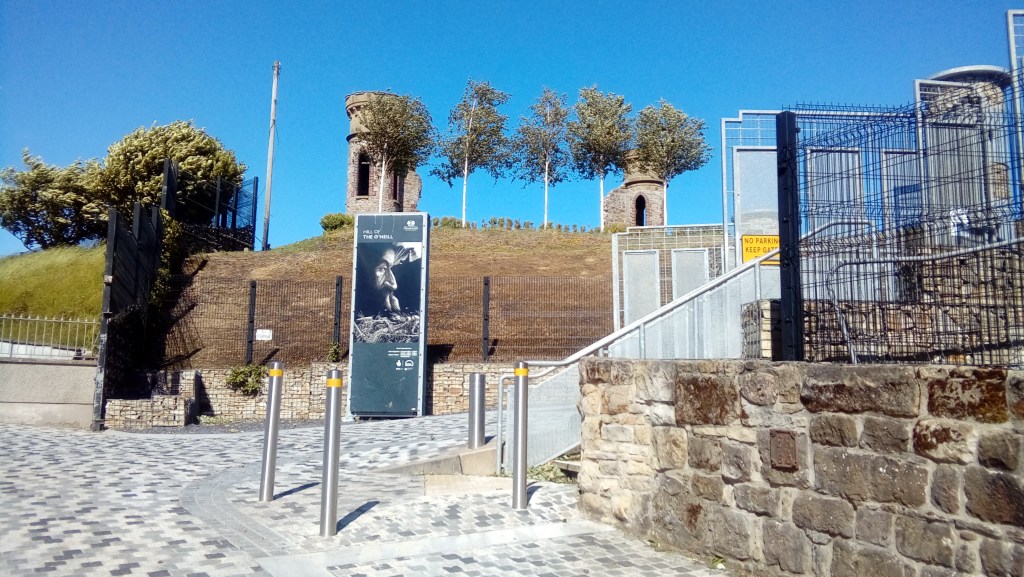
The Hill of the O’Neill (the ruins of the O’Neill Castle). The O’Neills were the most powerful clan in the Tudor Ireland.
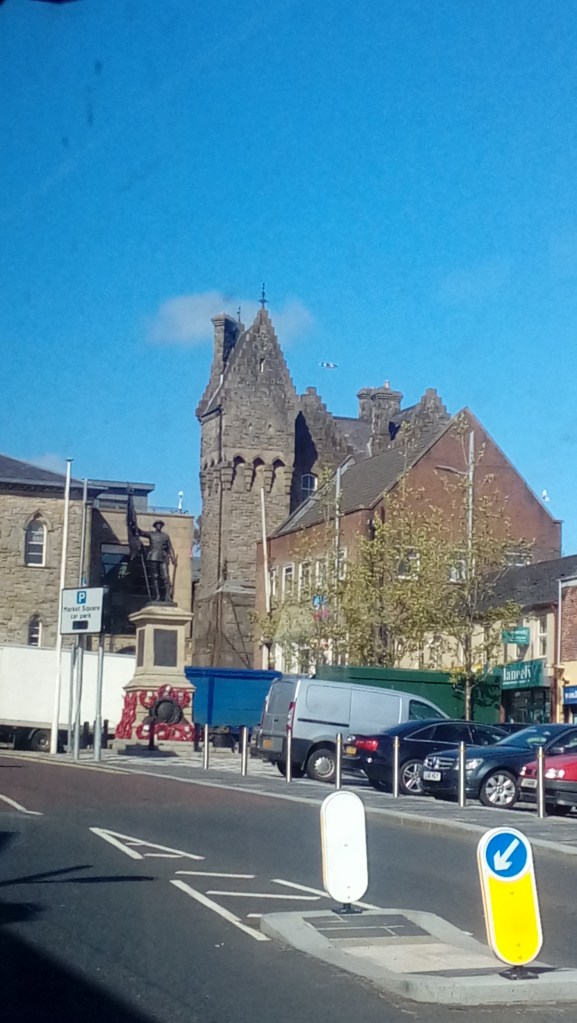
The military-looking building was the town’s police station (Royal Ulster Constabulary) when I lived here. There is an urban myth that the design was supposed to be used in the North West Frontier of the British Raj but somehow was sent to County Tyrone.
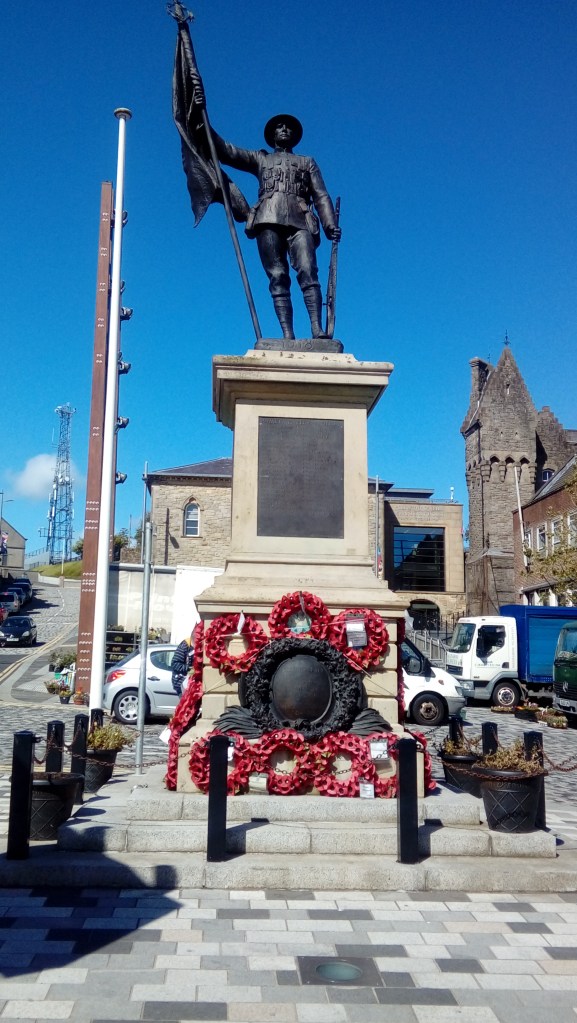
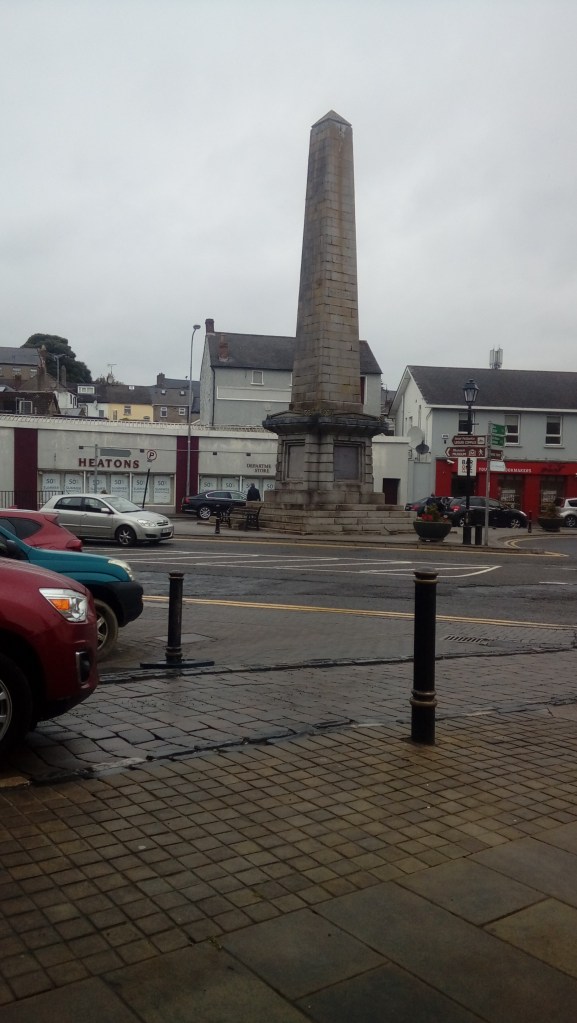
The War Memorial.
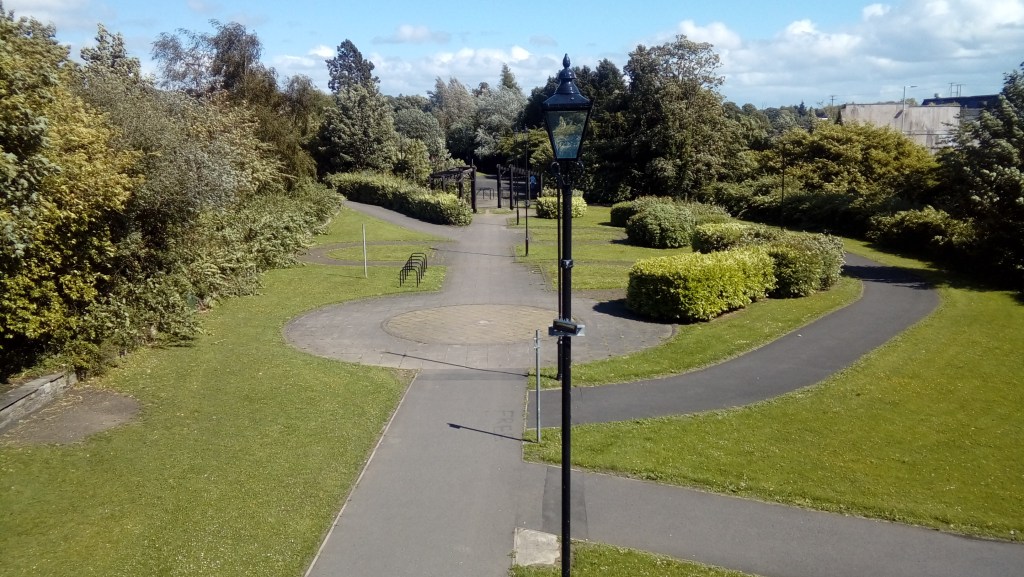
This path was not in Dungannon when I lived here. The train station was closed in the mid 1960s when train service west from Portadown was discontinued. The path is the old railway track and nice to see the landscaping.
Posted in County Kilkenny

County Kilkenny: Kilkenny

6th July 2018. Train from Dublin, a distance of 124 kilometres. It is situated on the River Nore and has a population of 25,000.

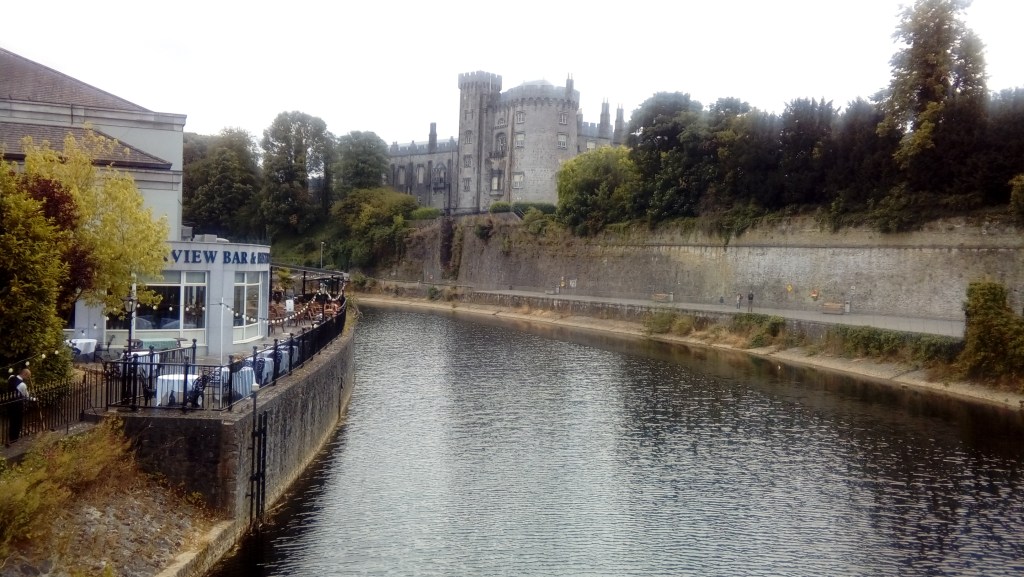
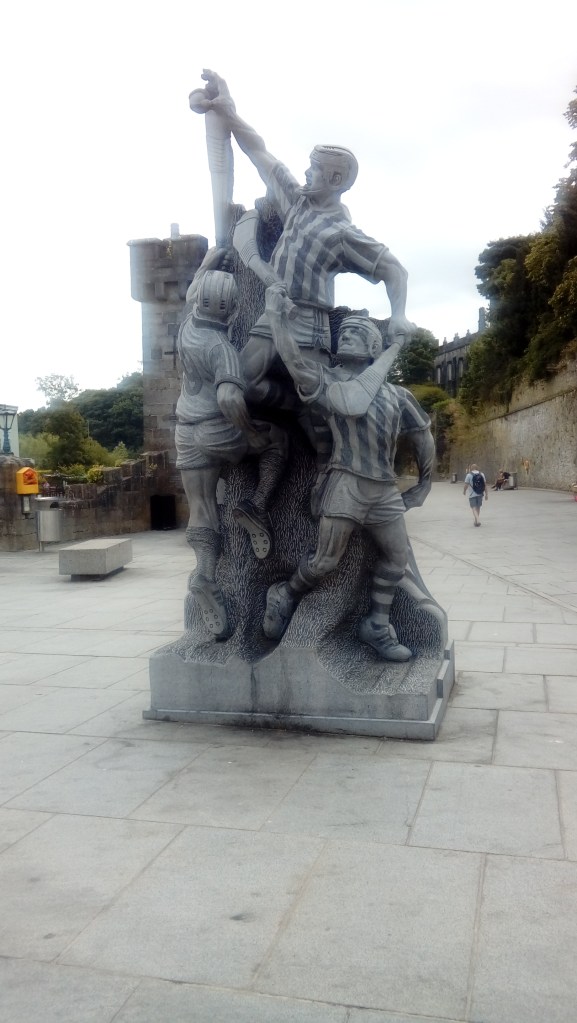
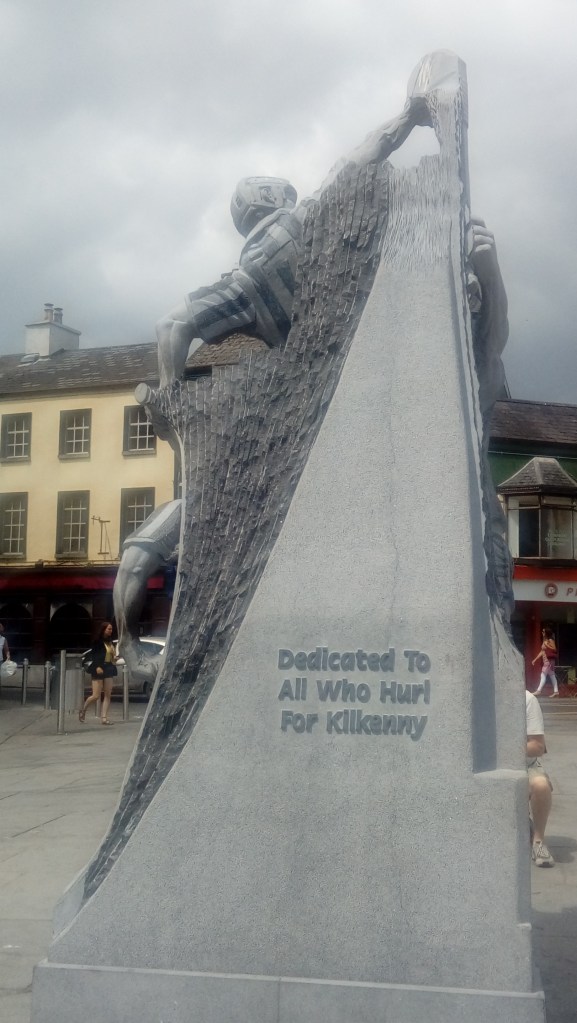
Kilkenny is famous for its Castle the sport of Hurling.
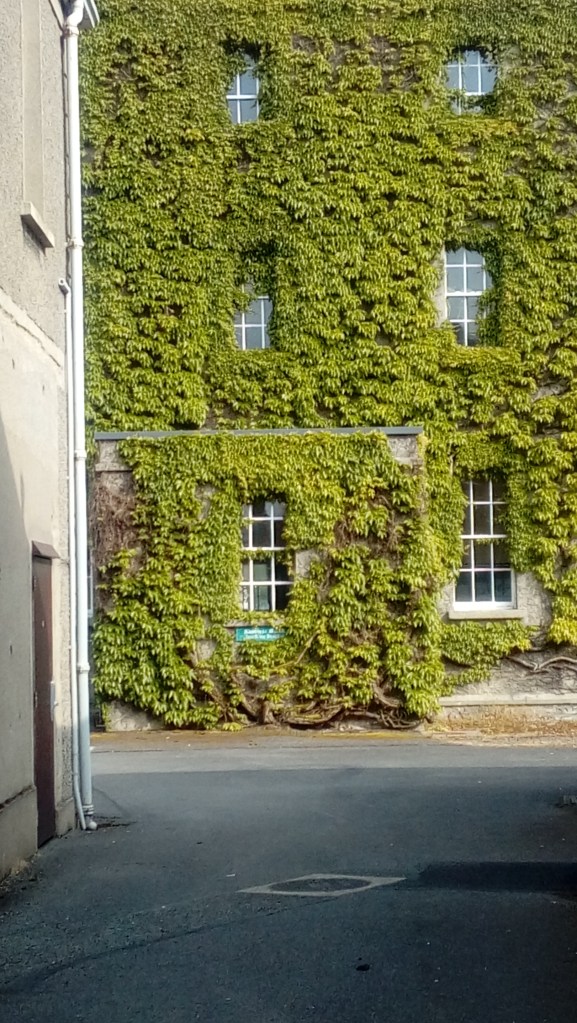
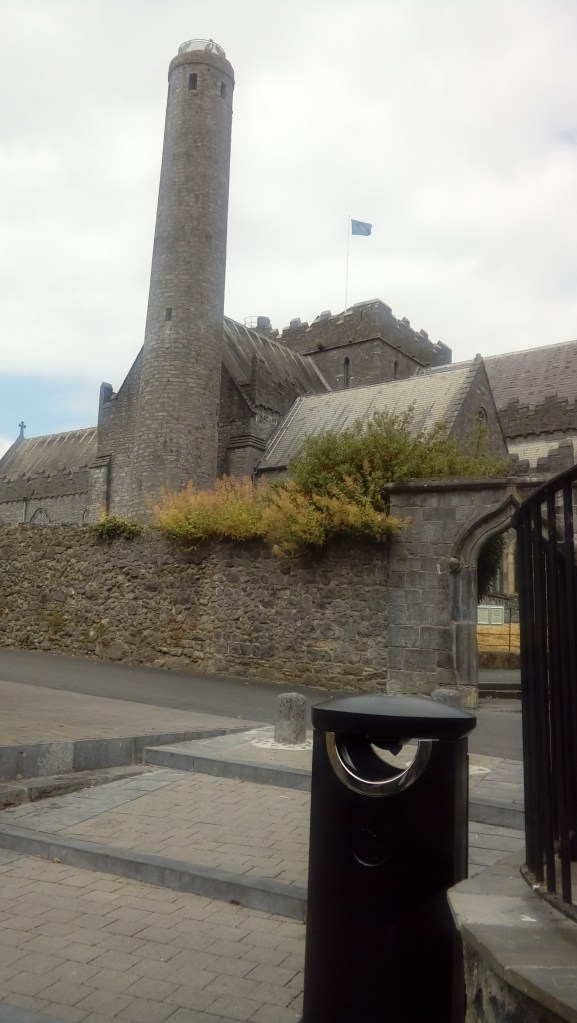
St Canices Cathedral.

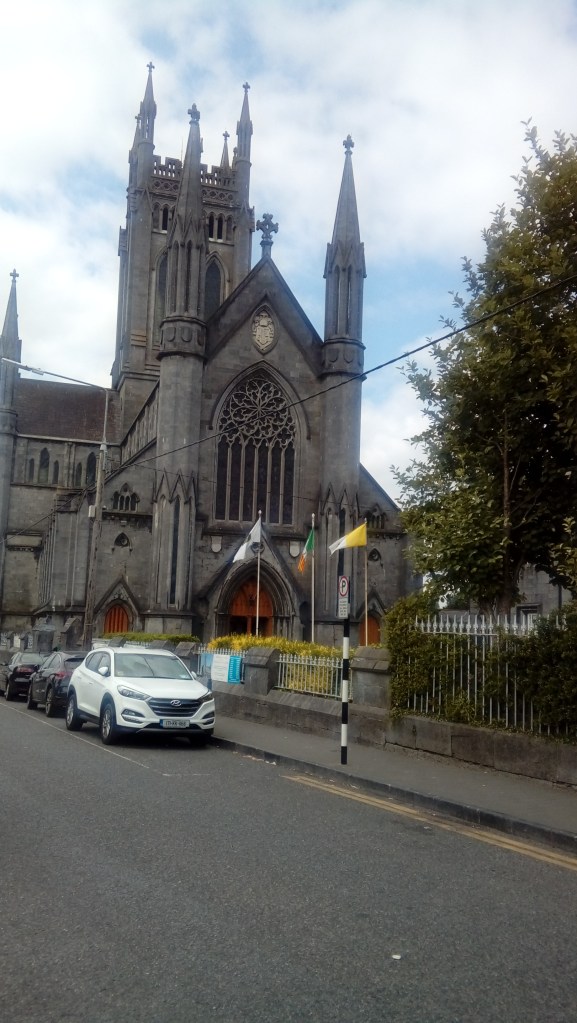
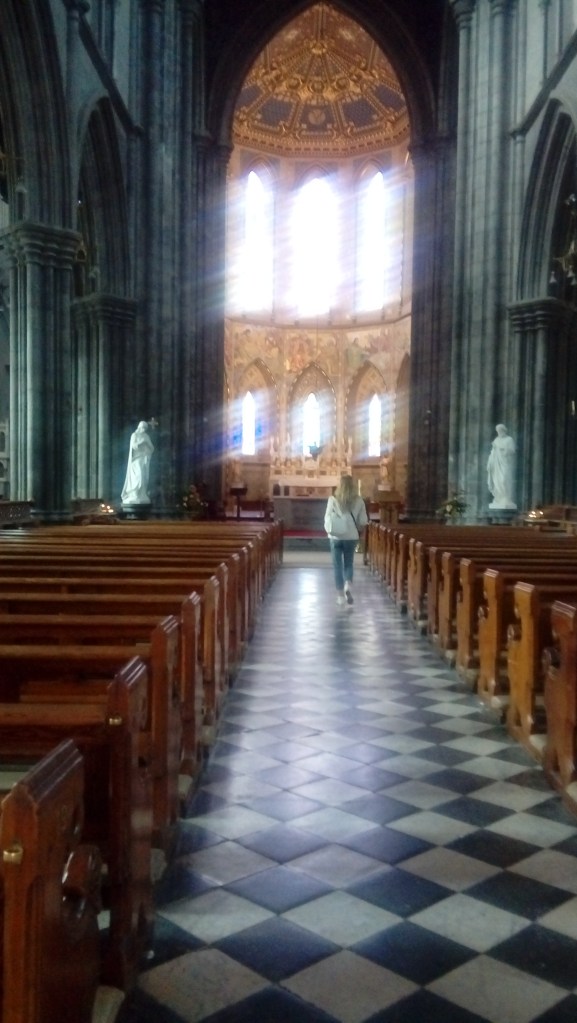
St Marys Catholic Xhurch.

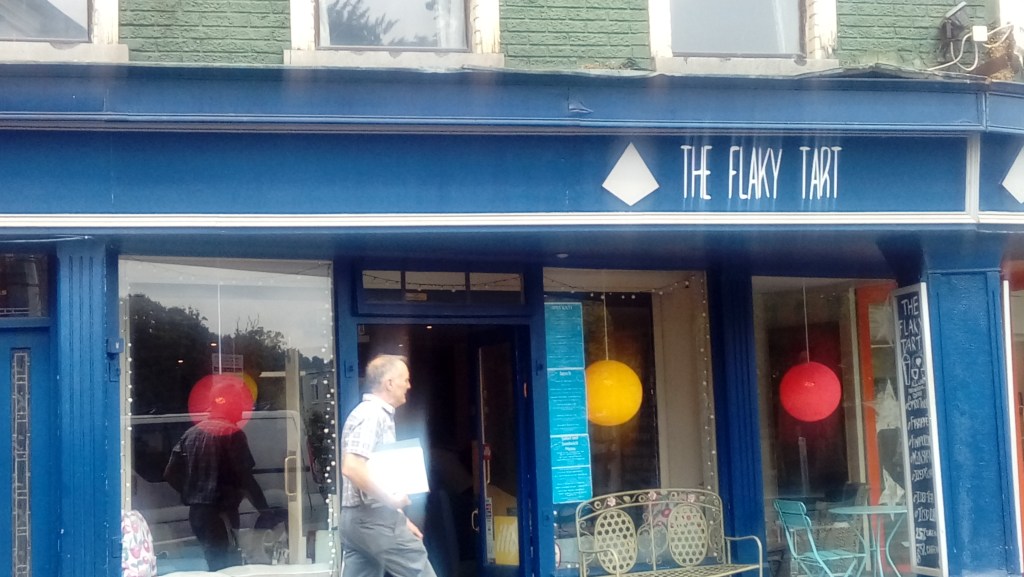
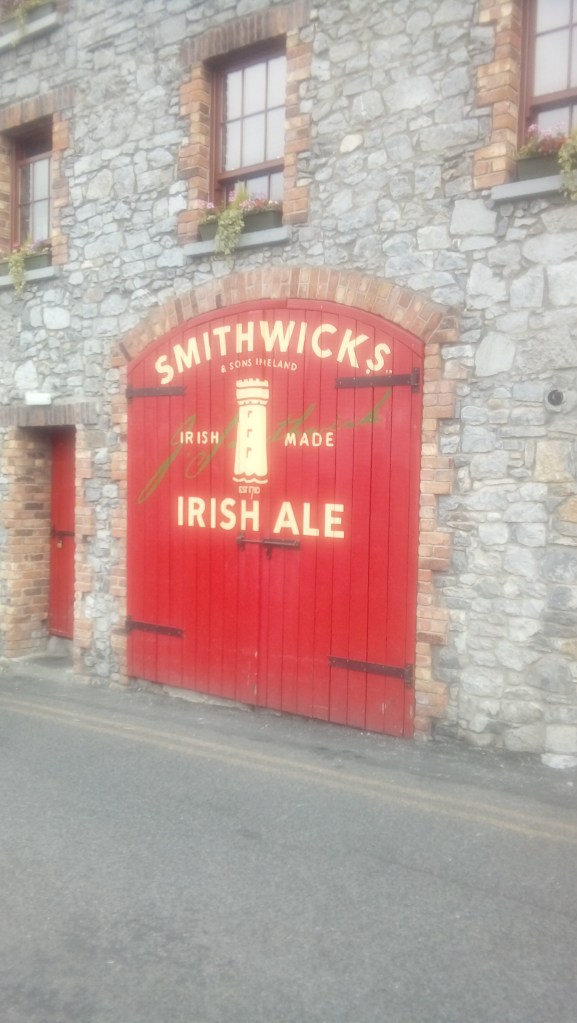
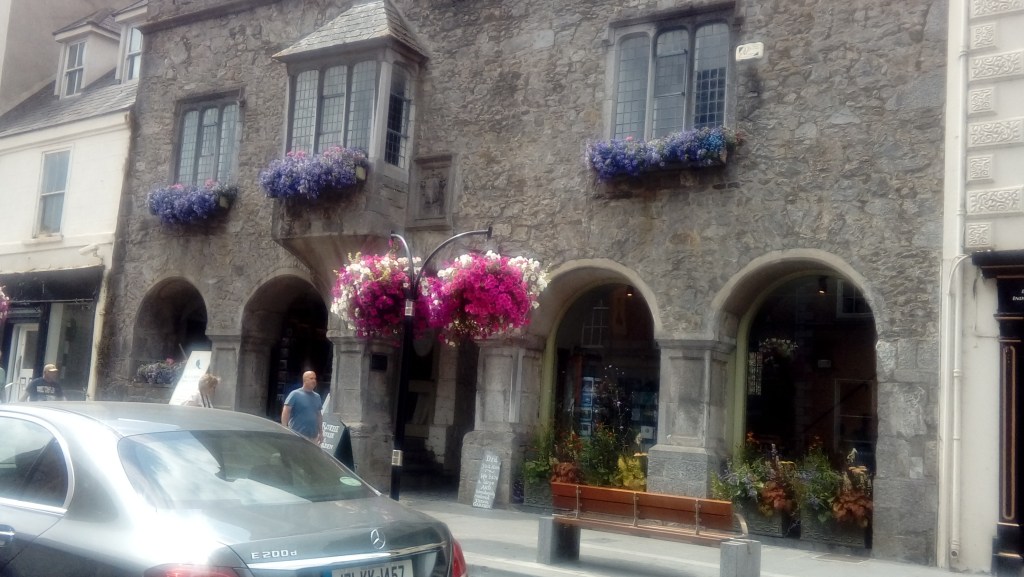
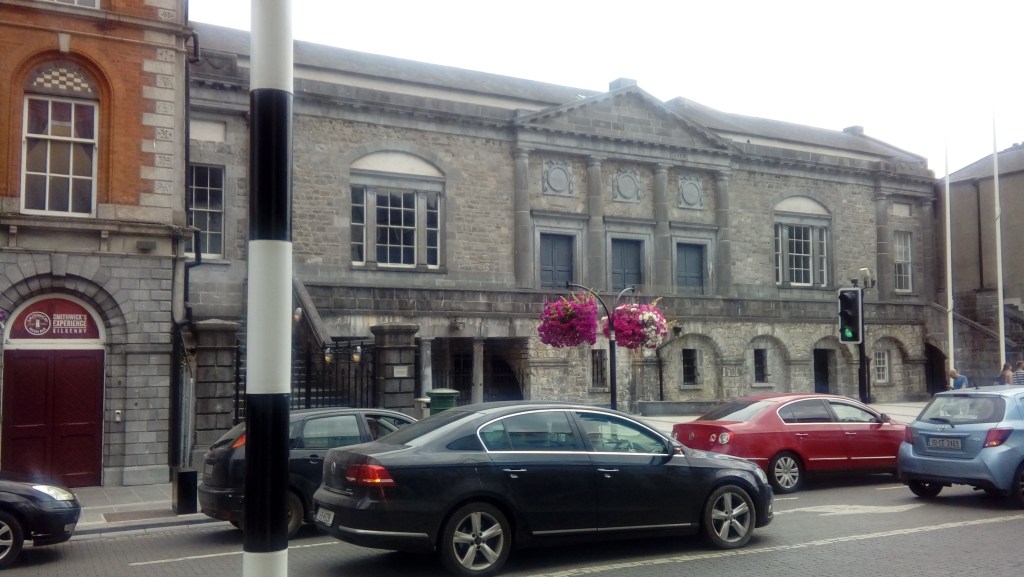
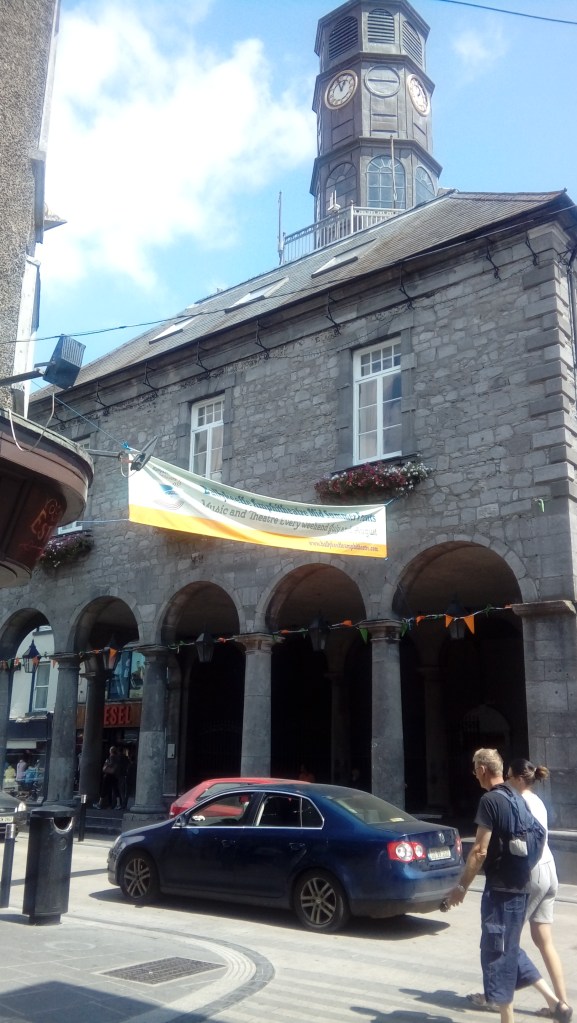
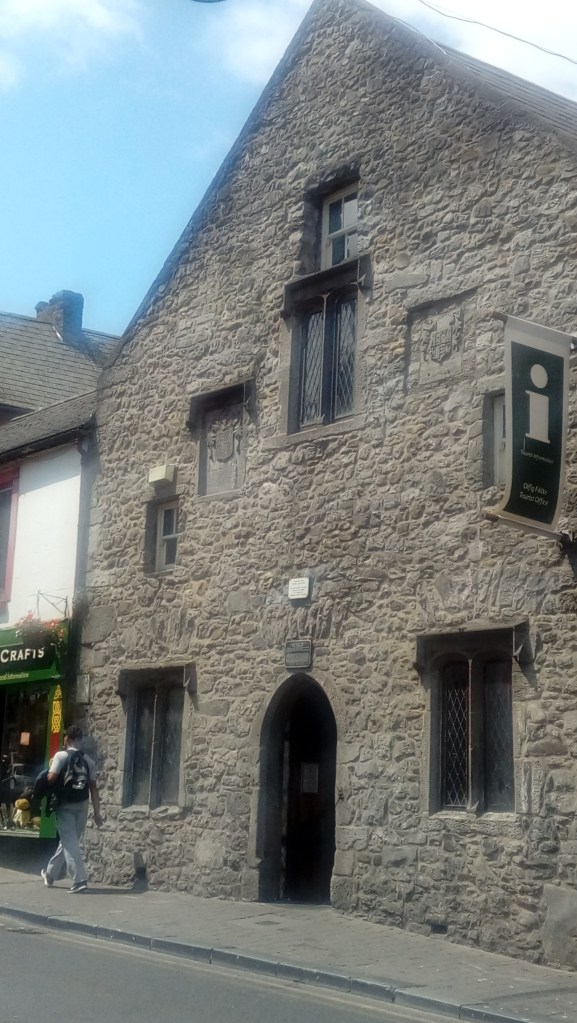
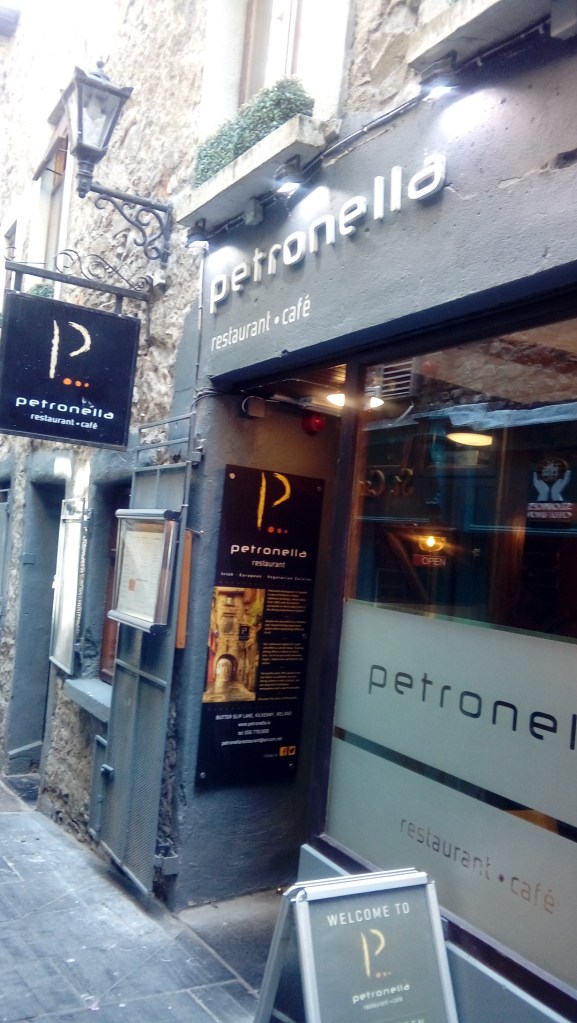
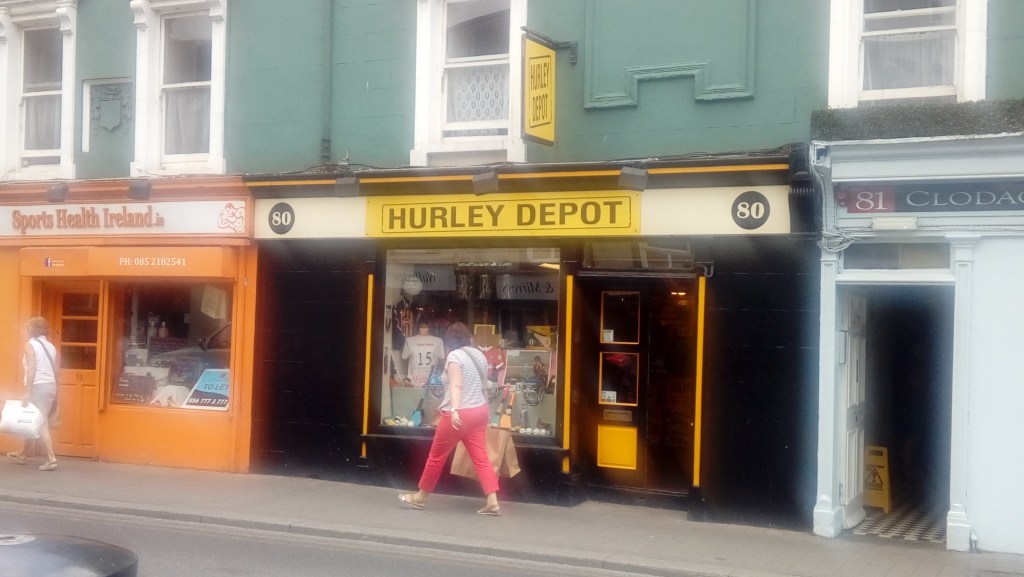
Some photographs from the main street.

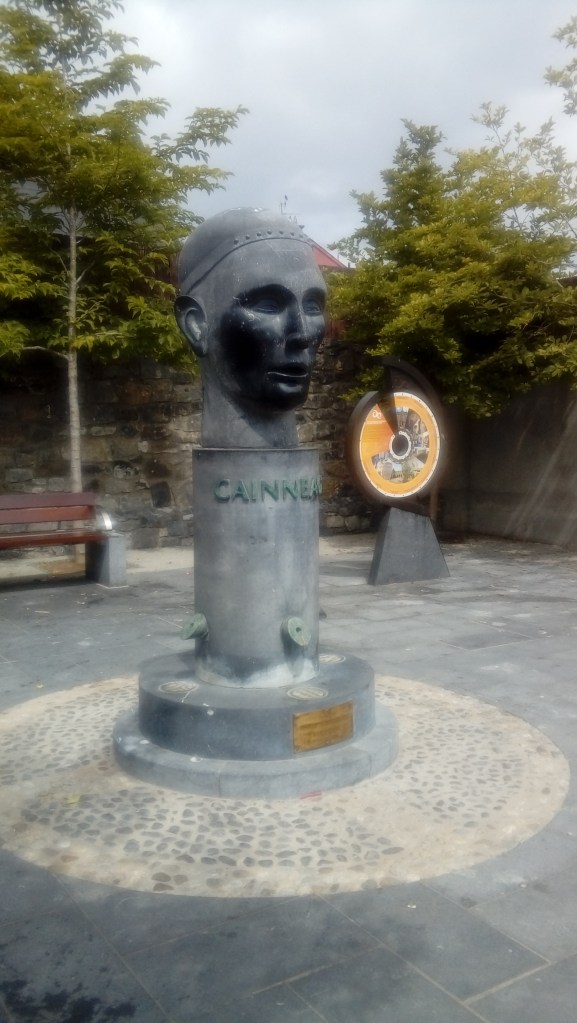
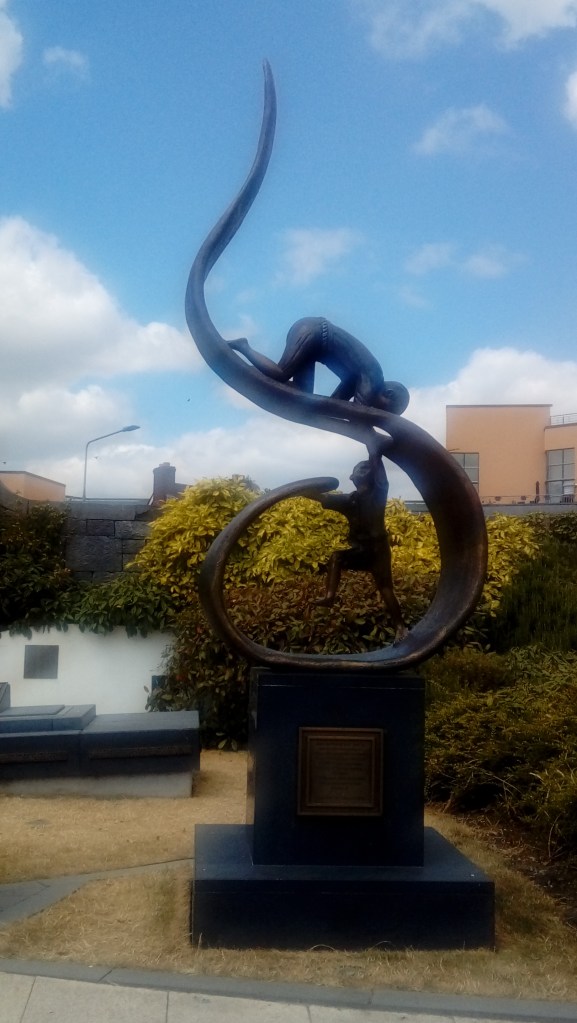
A monument dedicated to two brothers John and Patrick Saul who arrived at Kilkenny workhouse after being abandoned by their parents in Dublin in 1842.

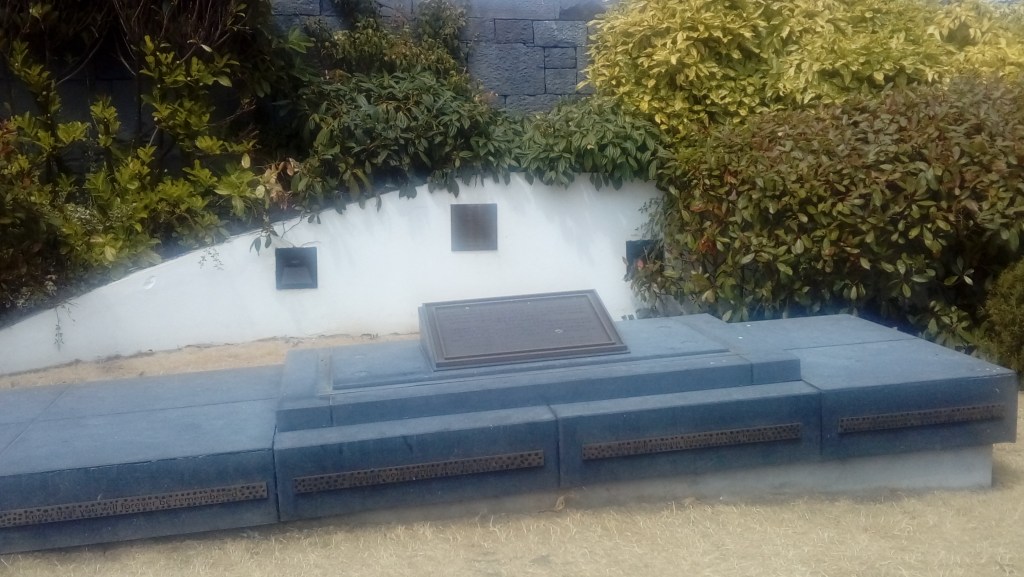
Dedicated to the victims of the Famine in Kilkenny Workhouse.

Posted in County Kildare

County Kildare: Maynooth University

31st May 2018. Train from Longford.

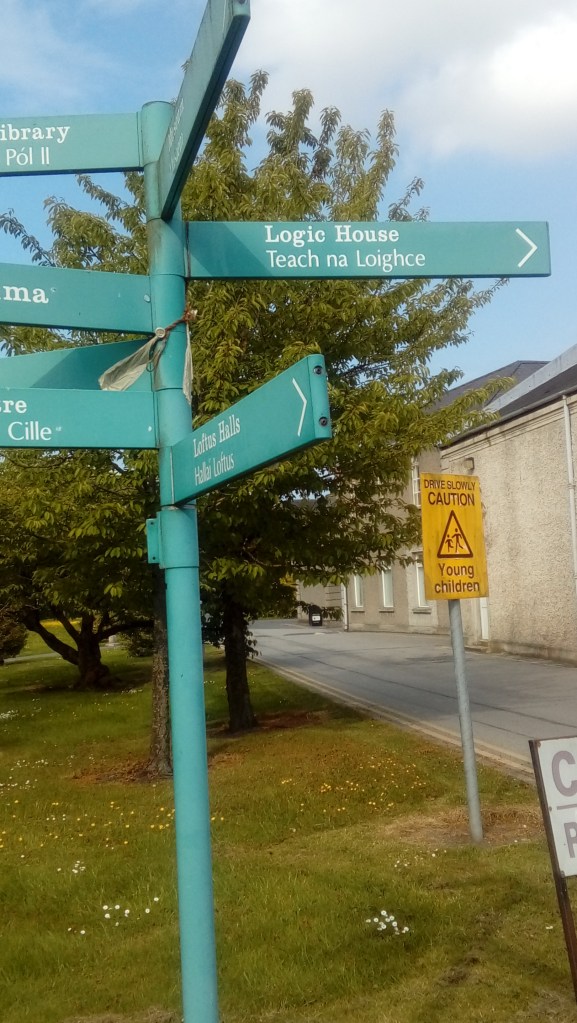
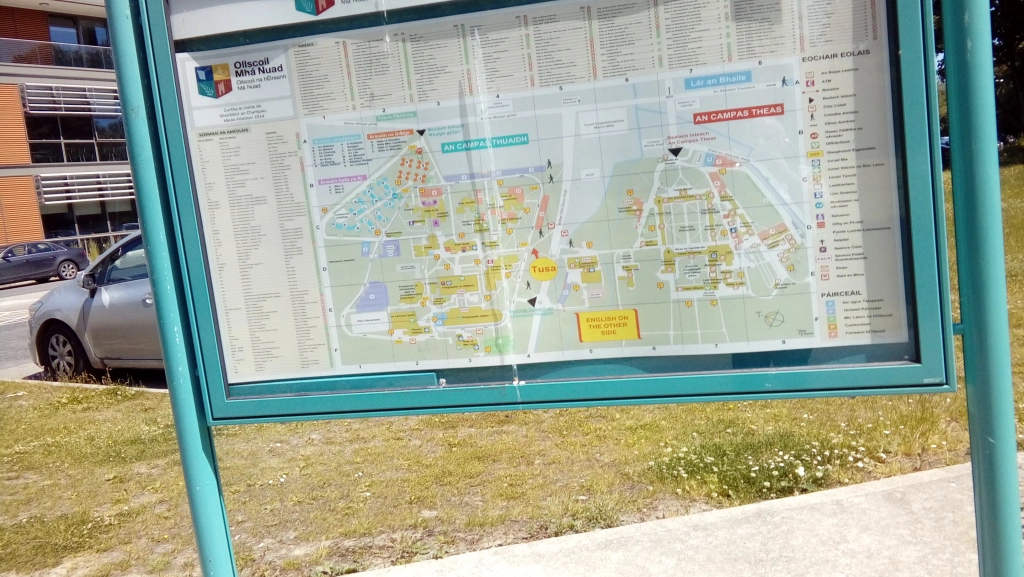
A walk around the campus. Opened in 1795 as the post-Penal Laws seminary for students for Catholic priesthood. Originally students were compelled to take an oath of allegiance to the English Crown.

About 12,000 students. The vast majority are not studying for priesthood.

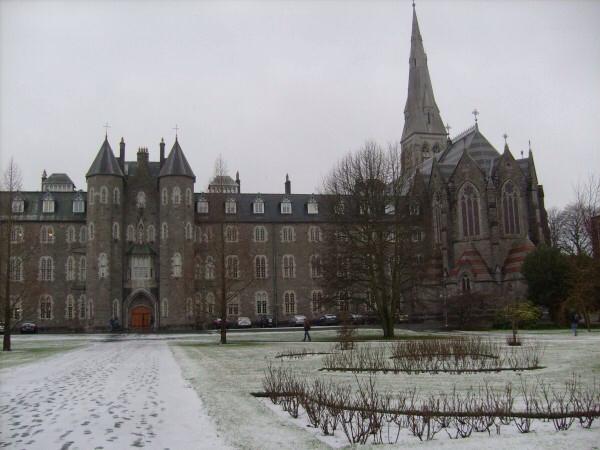
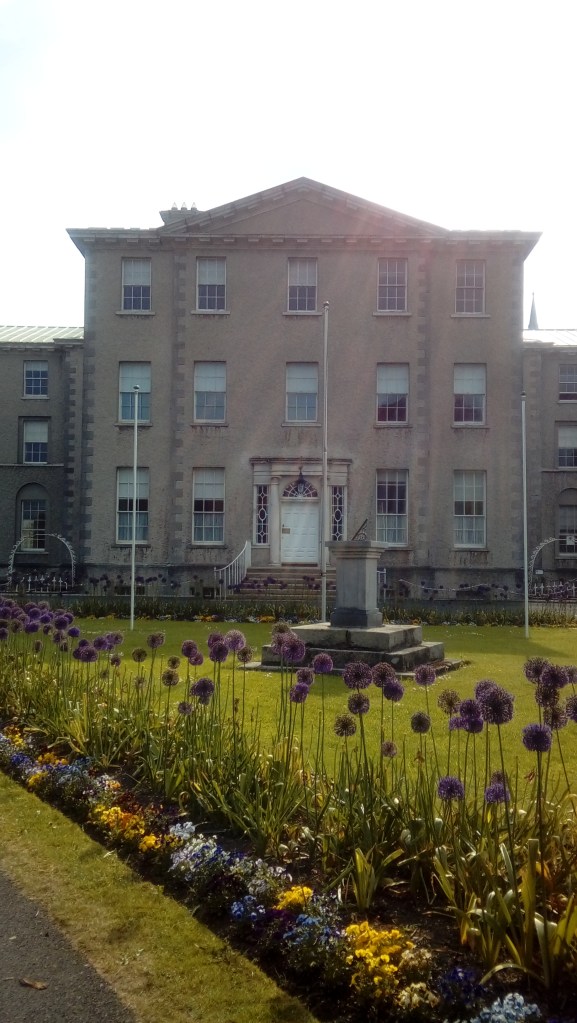
The main building at Maynooth. I actually stayed two nights here when I attended a seminar in March 2009. As you will see, the photograph was taken at that time.

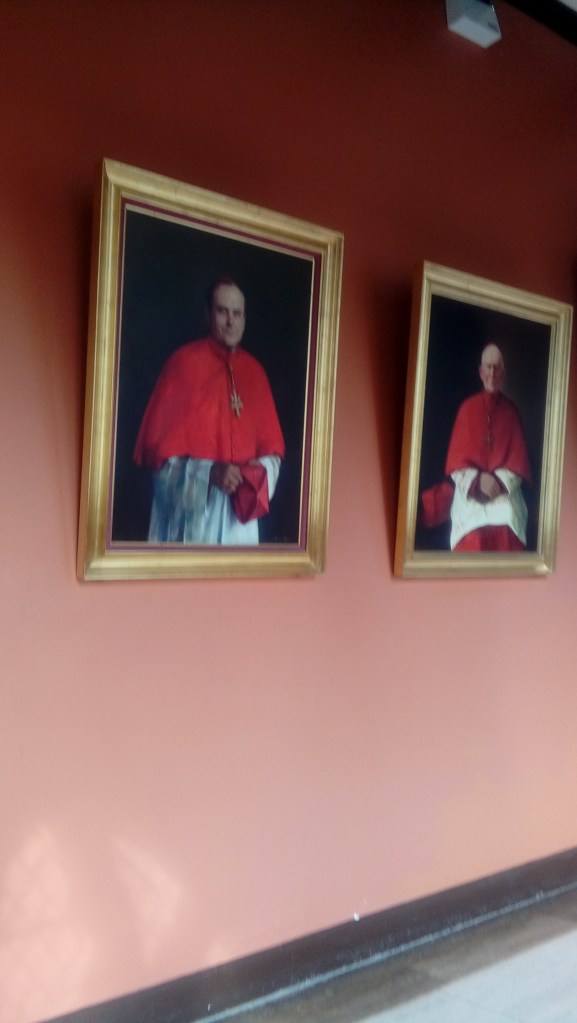
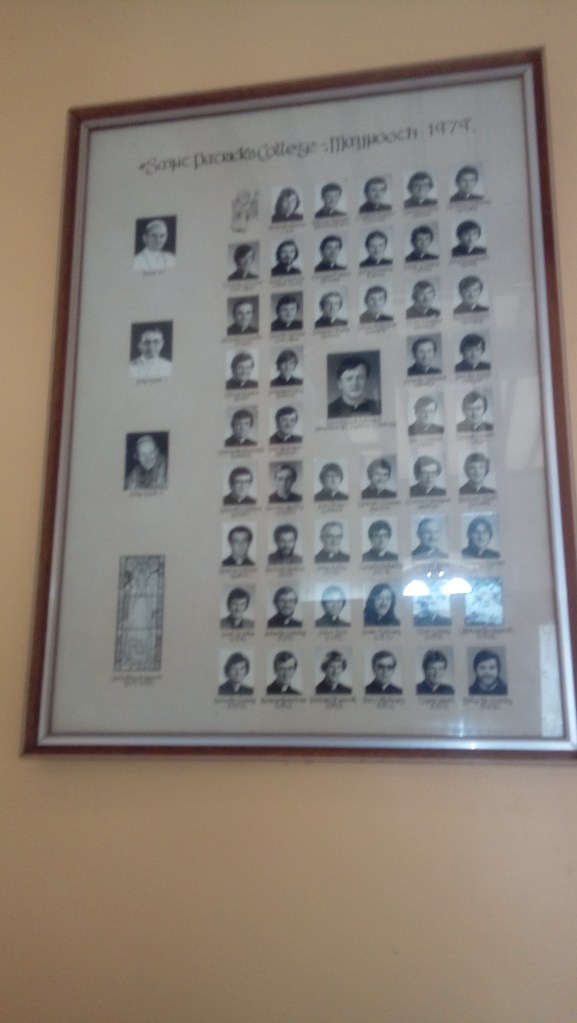
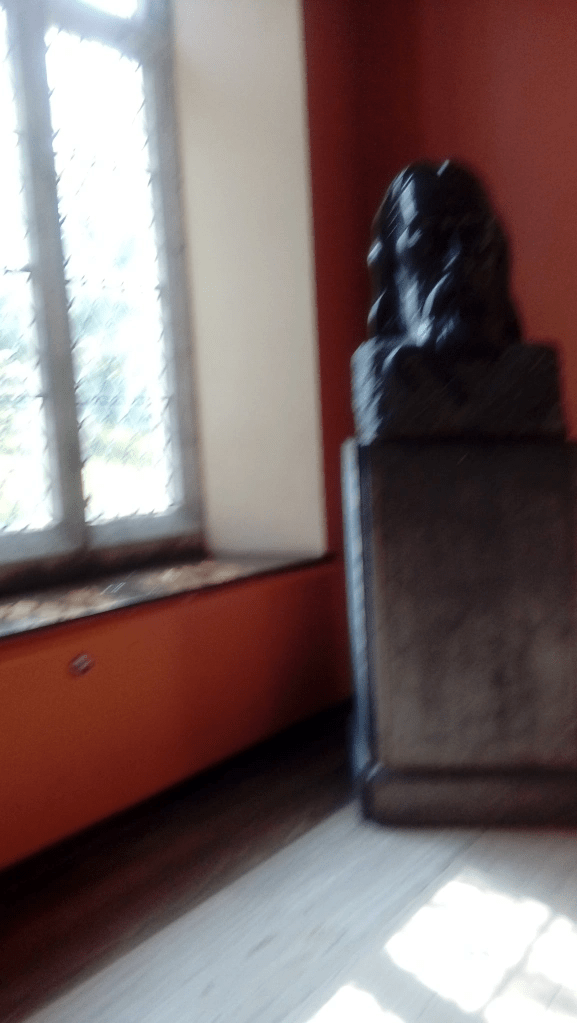
The cloisters of the main university building. Portraits of eminent Irish churchmen and photographs of ordination classes going back several years. Bust of St Oliver Plunkett, Archbishop of Armagh who was hanged, drawn and quartered in London
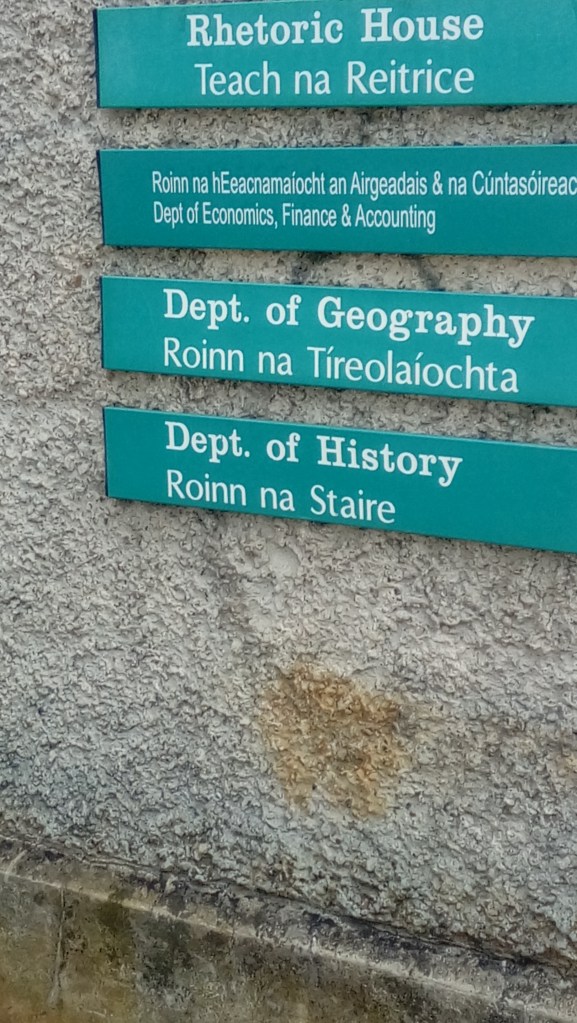
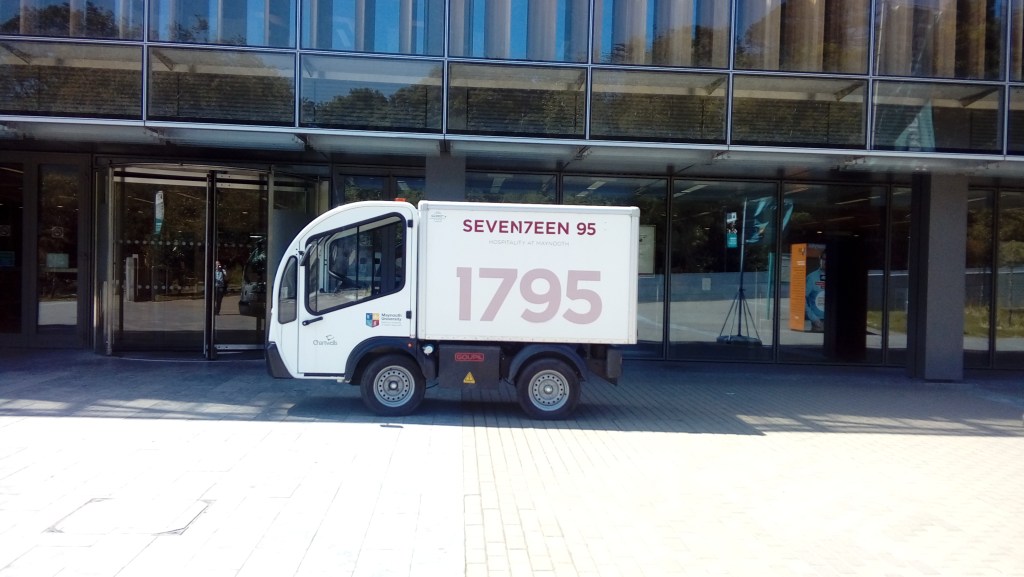
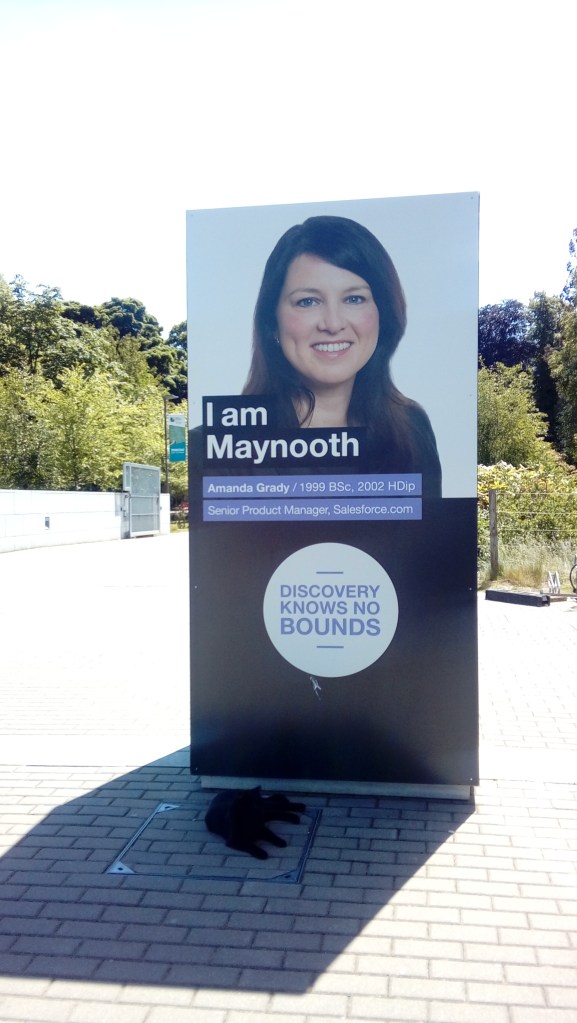
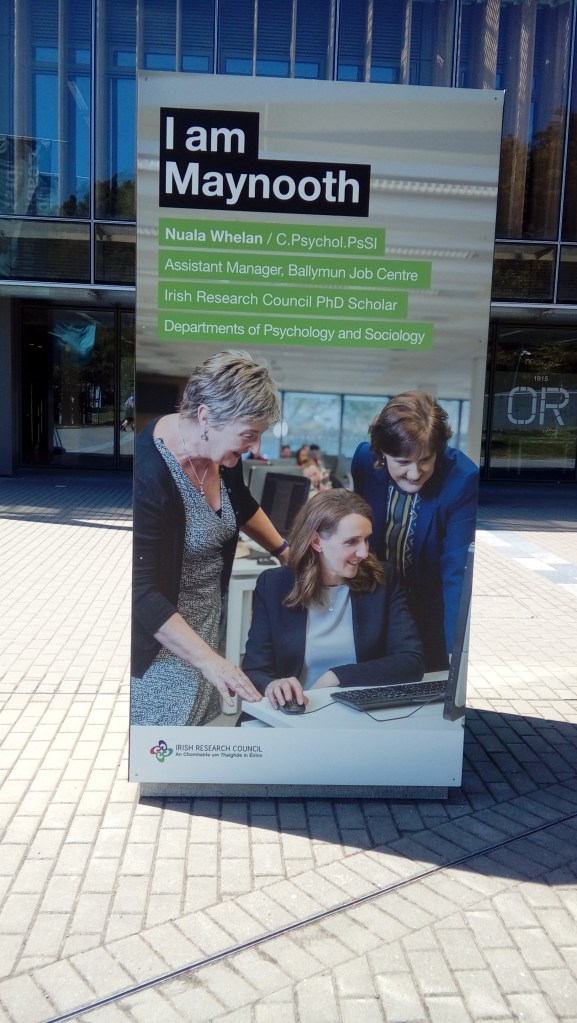
Photos taken in the new campus.

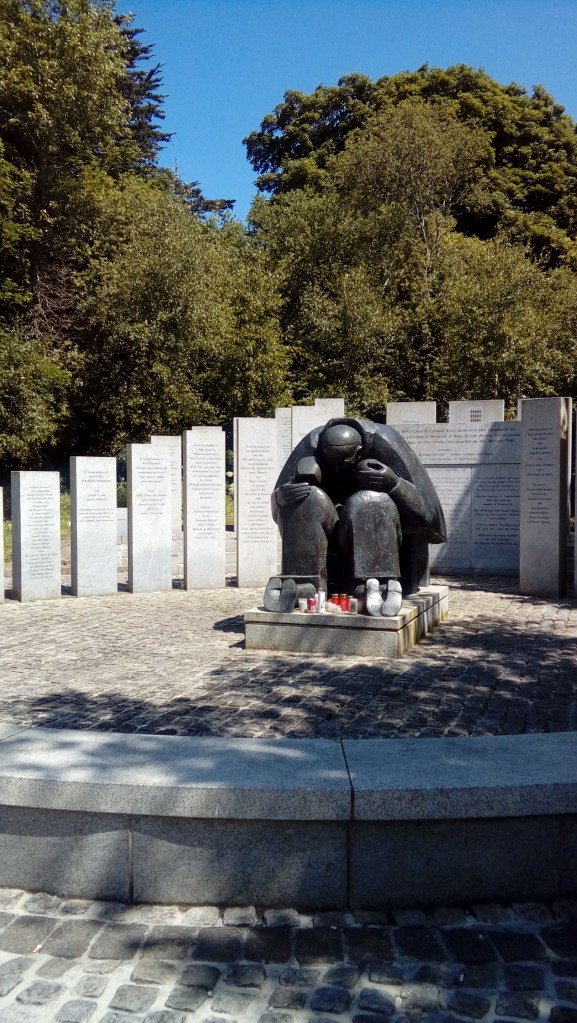
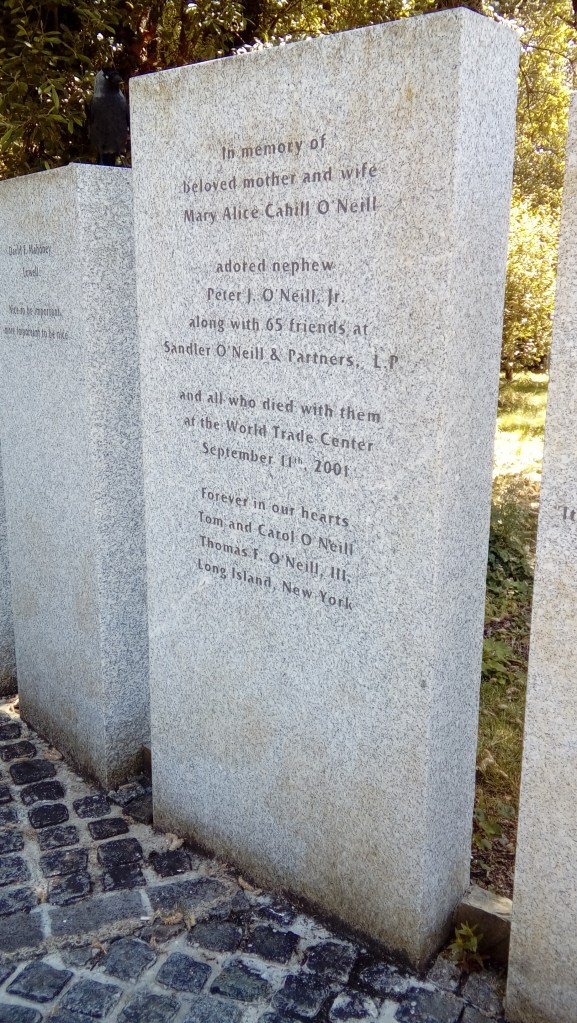
Monuments commemorating the visit of Pope John Paul II in 1979 and the World Trade Centre victims in 2001.

Posted in County Longford

County Longford: Longford

31st May 2018.

Train journey: Dublin to Longford Town, a distance of 122 kilometres.

Population: 10,500.The name Longford, is derived from “long phort” (shipping port). In medeival times, the most prominent clan was O’Fearghail (Farrell).

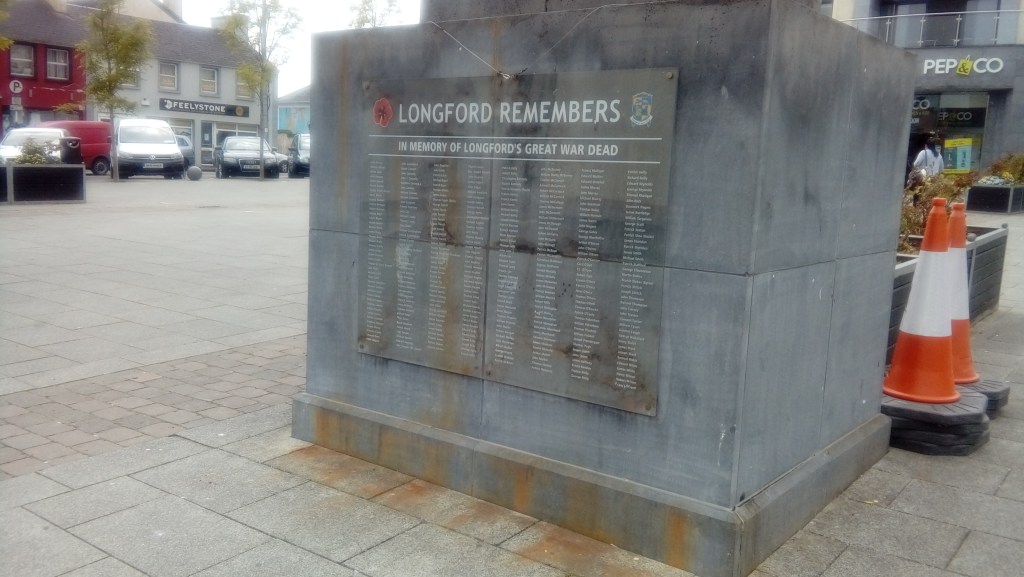
Short walk to the Square. I was surprised to see a prominent and modern British War Memorial.

British War Memorial. Surprisingly modern.

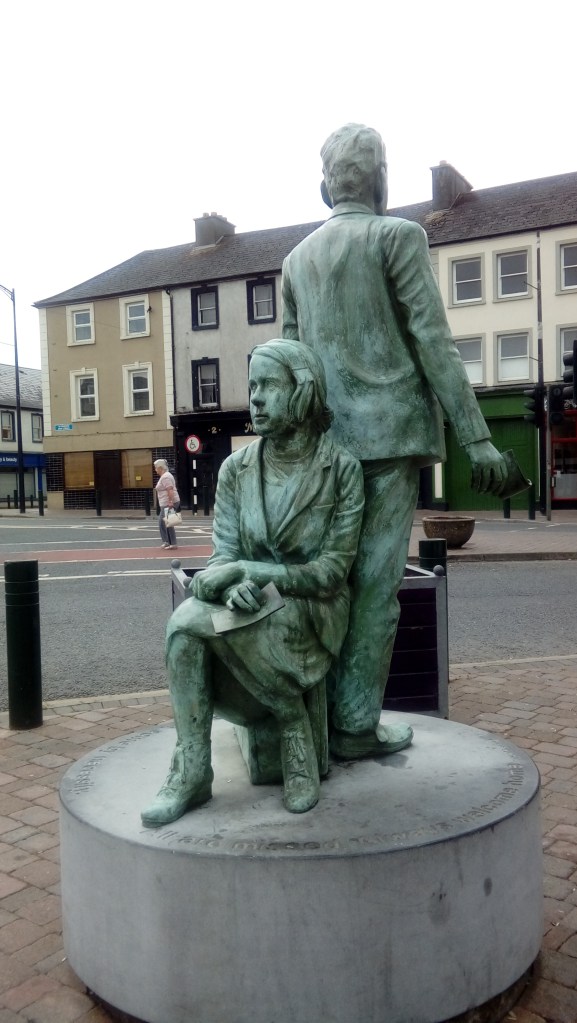
Emigration.

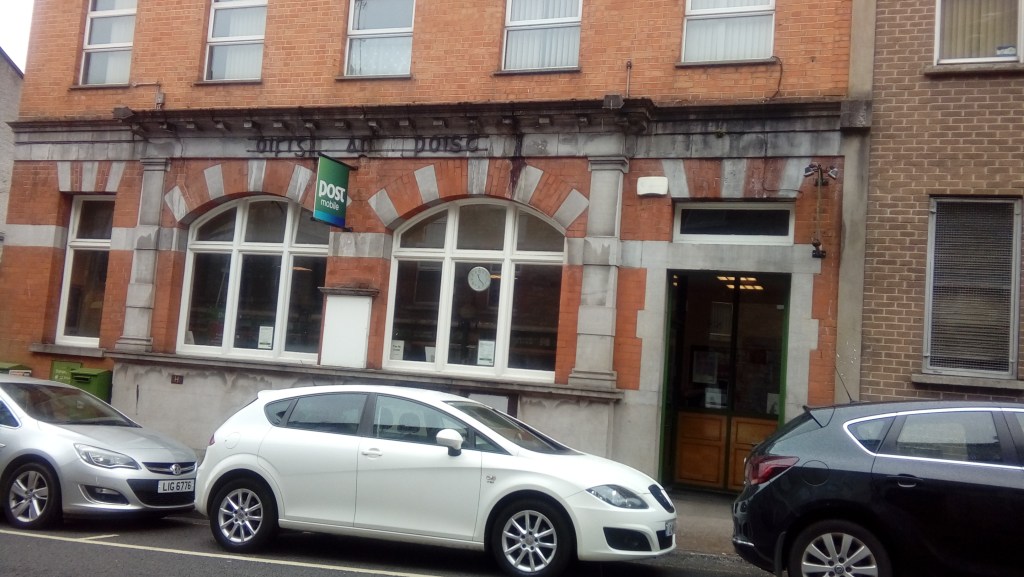
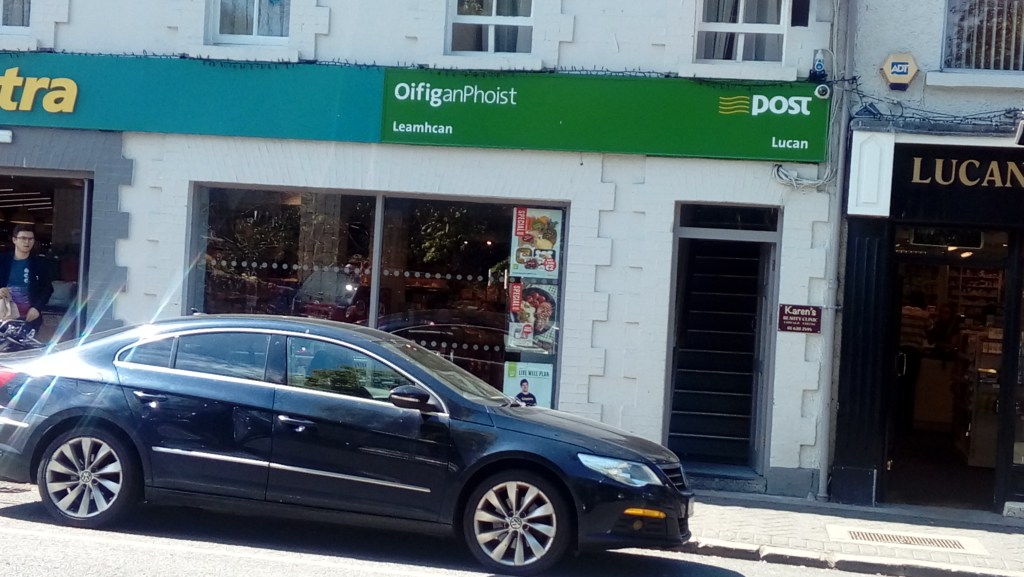
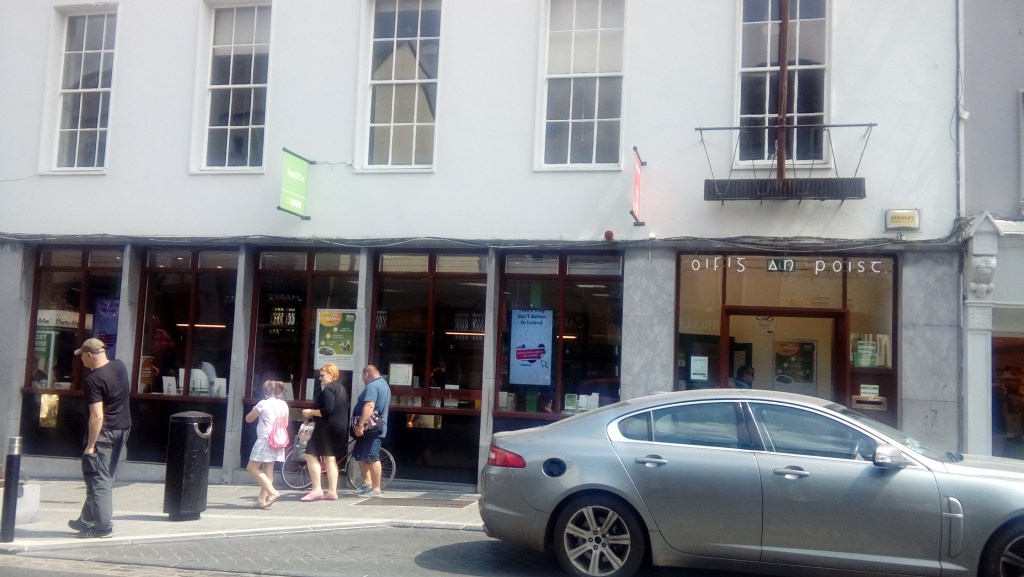
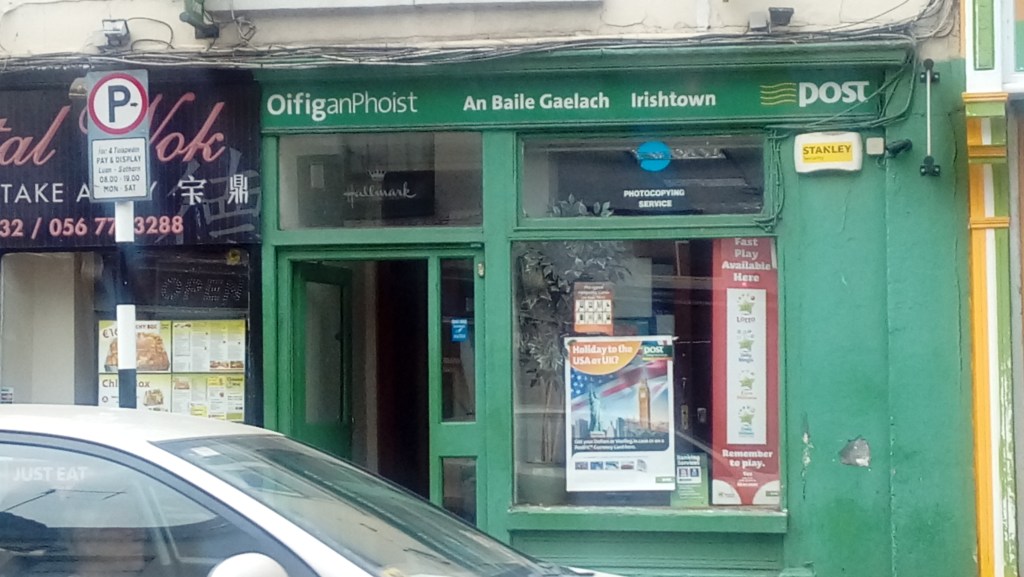
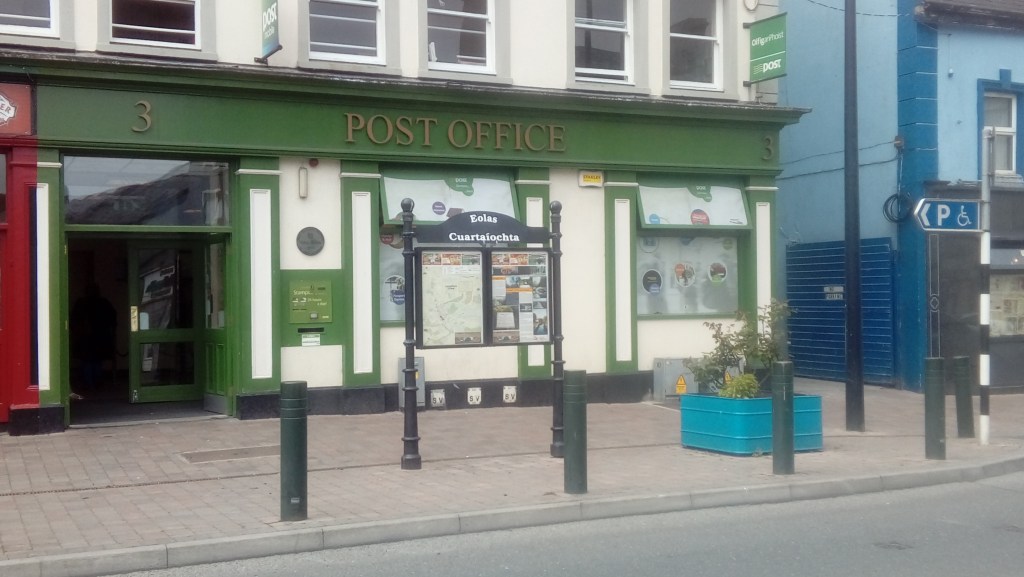
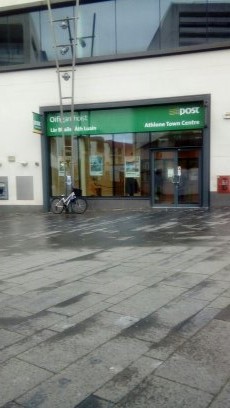
Post Office.

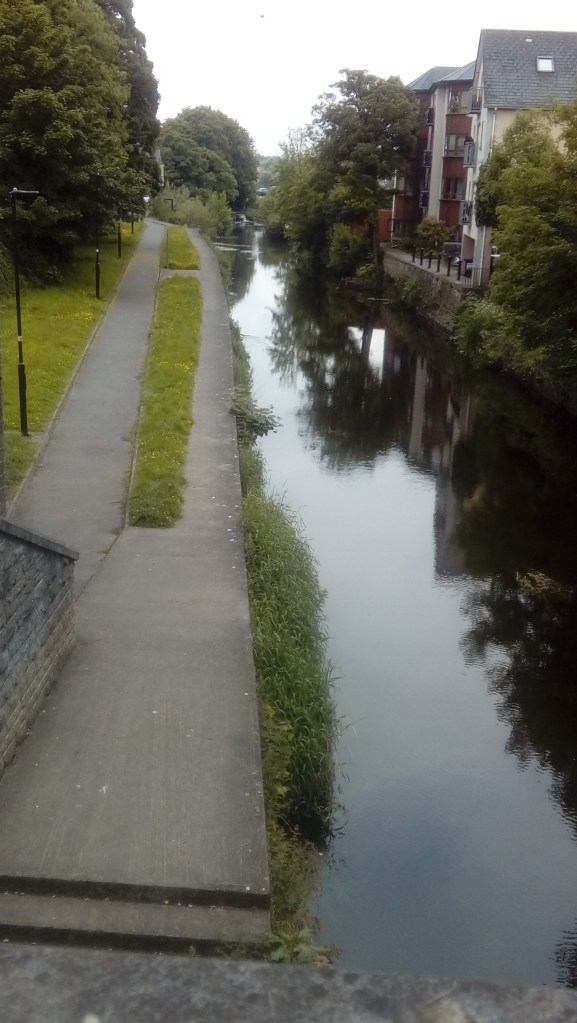
River Camlin.

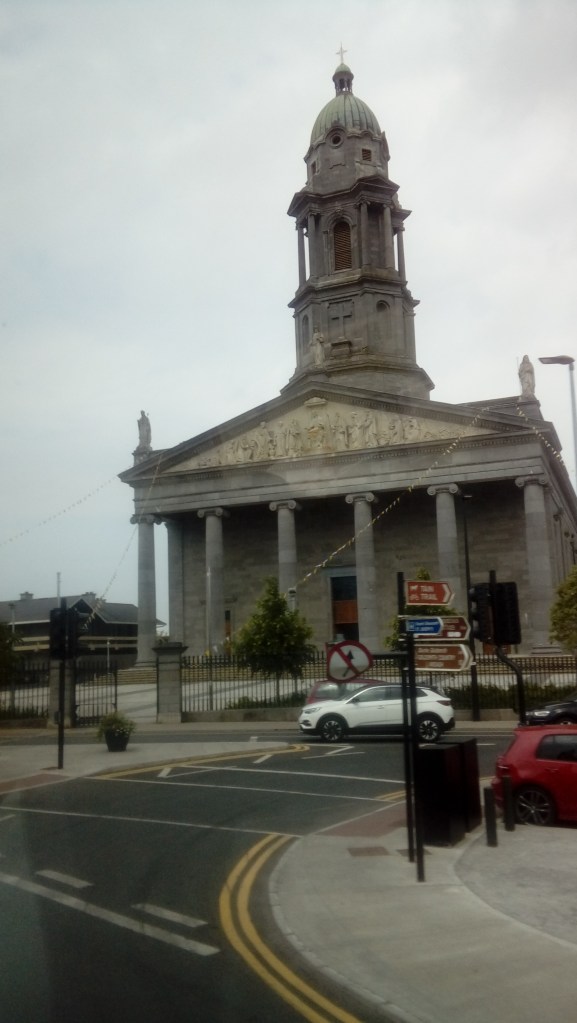
St Mels Cathedral.

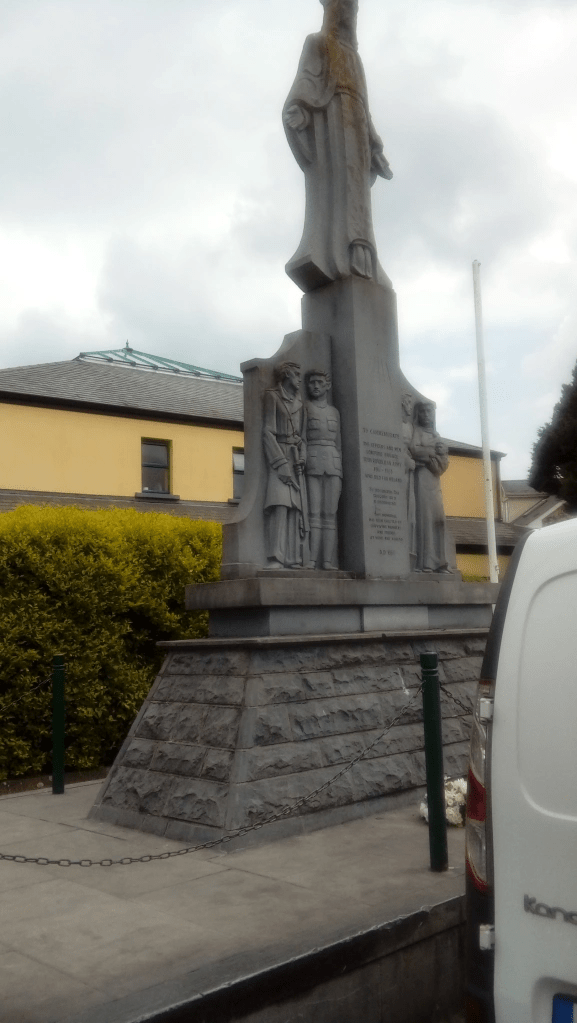
IRA Memorial.

Posted in County Westmeath

County Westmeath: Athlone

27th May 2018. Train to Athlone (population 21,000) which is 126 kilometres from Dublin. Athlone is regarded as being in County Westmeath (in the province of Leinster) but is situated on the River Shannon so the western side is in County Roscommon (province of Connacht)

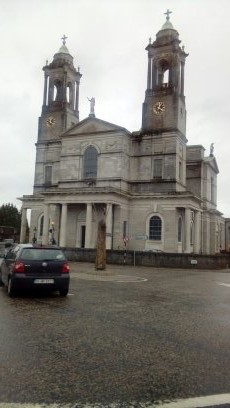
The Church of St Peter & St Paul.

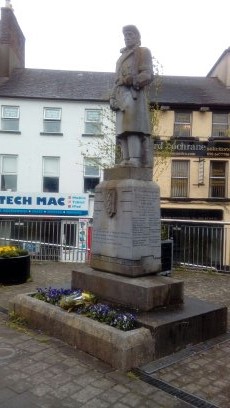
Monument commemorating the Athlone Brigade of the Irish Republican Army.

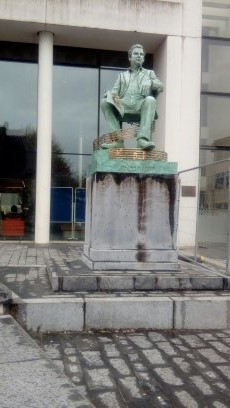
John McCormack (1884-1945) the tenor was born in Athlone.

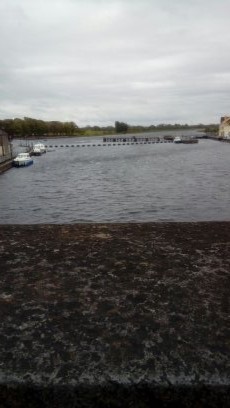
The River Shannon.

Athlone Castle dates from 1129 and as a stone structure from 1210.

Famously the Castle was besieged unsuccessfully in 1690 and successfully by Williamite forces in 1691. The bravery of the Jacobites who lost 1,000 men has passed into folklore. Sgt Custume (spellings differ) was killed in action on the Shannon Bridge and the Irish Army barracks in Athlone is named for him.

The Castle is now a heritage centre and museum.

Posted in County Derry

County Derry: Derry City

8th May 2018. Train journey from Belfast.

Derry (population 80,000). A regular visitor to the the city. Derry derived from Doire meaning Oak Grove is known in some places as “Londonderry” which references the fortification of the city and county by London guilds.

In recent years it has become fashionable to refer to the city as “Derry-Londonderry” in an effort to saisfy Catholic (nationalist) and Protestant (unionist) sensibilities. Originally floated as a joke by radio presenter, Gerry Anderson, it is a compromise that does not make anyone happy.

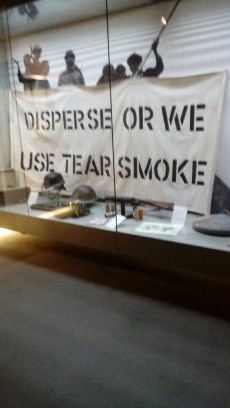
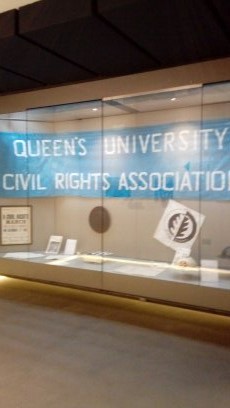
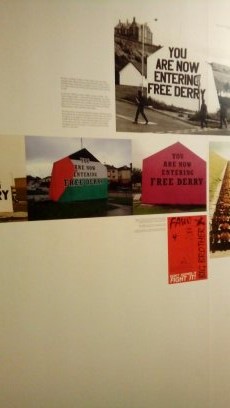
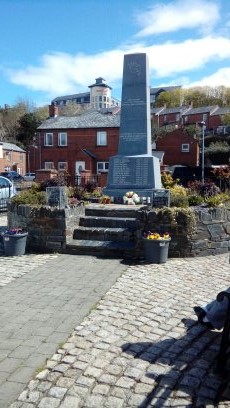
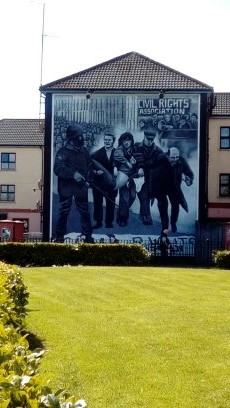
The photographs were taken in the Bogside and include the monument to the murdered on Bloody Sunday (January 1972).

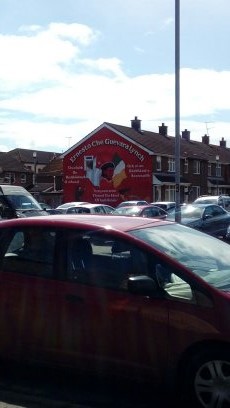
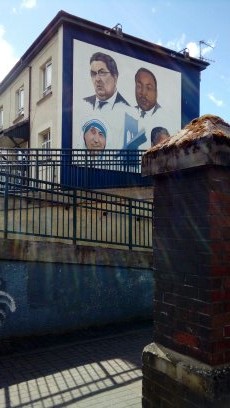
Murals reference Rev Edward Daly and his heroism on Bloody Sunday, Che Guevara and a group of Nobel Peace laureates, John Hume, Martin Luther King, Mother Theresa and Nelson Mandela.