Posted in County Louth

County Louth: Drogheda

25th June 2018. Train from Portadown to Drogheda (population 40,000). Drogheda is on the River Boyne and in Irish history is notorious as the scene of a massacre by Oliver Cromwell’s army in 1649.
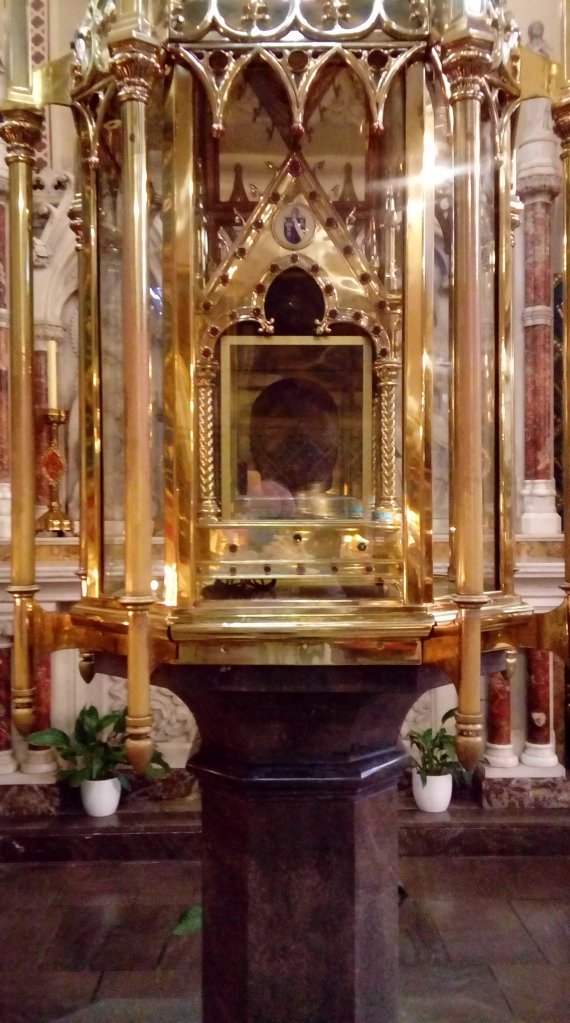
The severed head of Saint Oliver Plunkett in St Peters Church in Drogheda. St Oliver was executed by hanging, drawing and quartering in London in 1681.
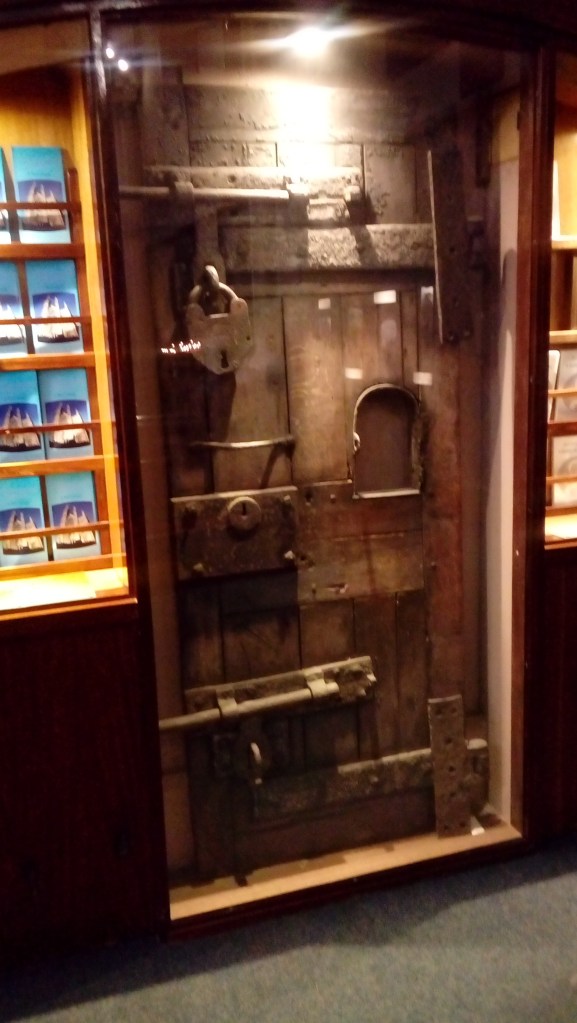
Cell door.
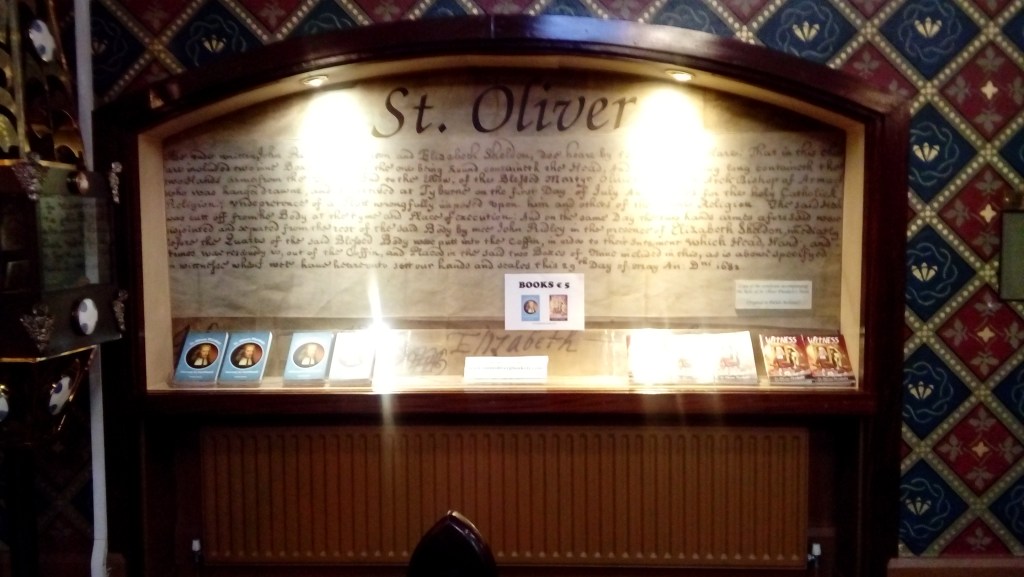
Biography of Saint Oliver Plunkett.
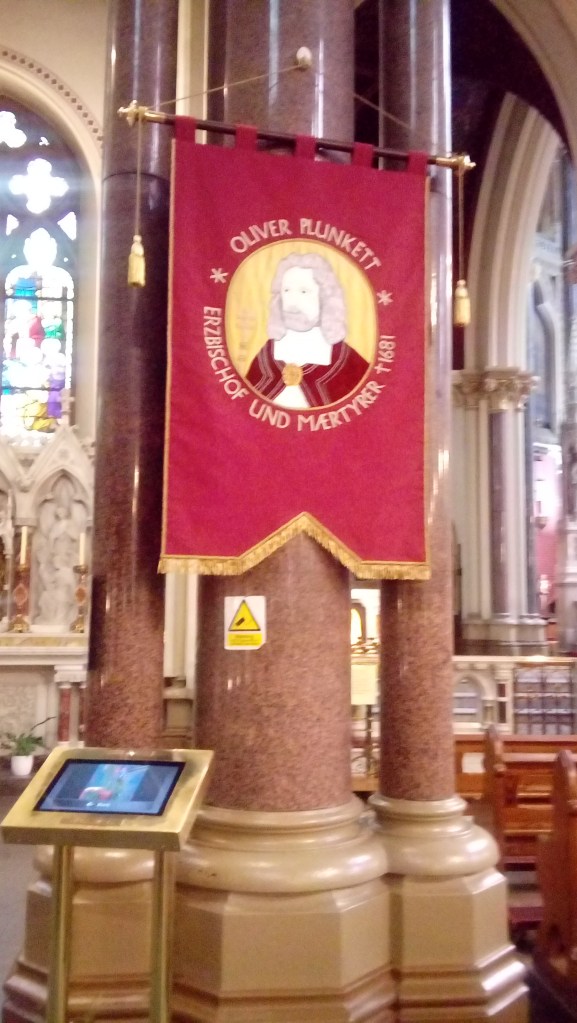
Inside Church.
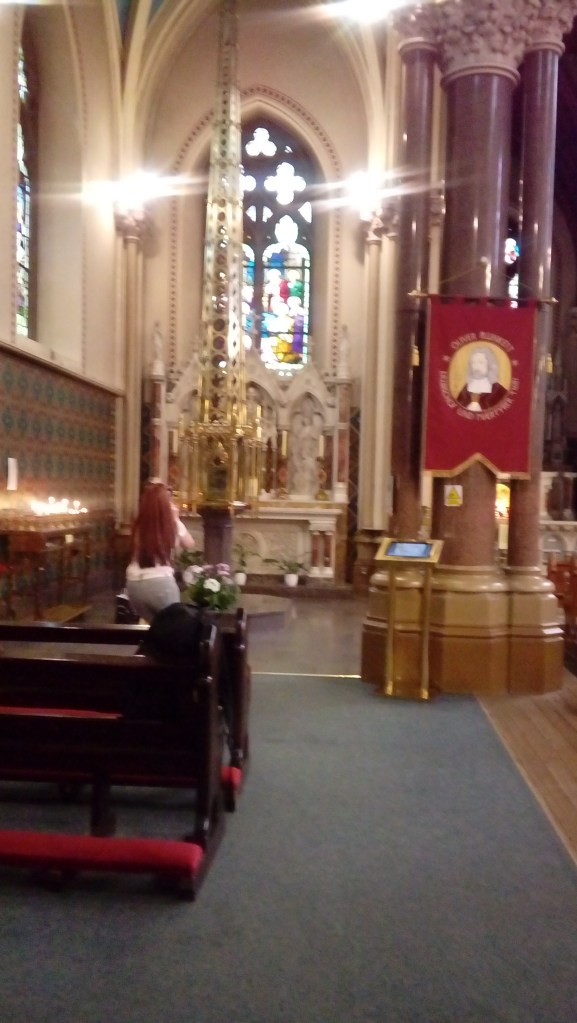
Saint Oliver Plunketts Altar/
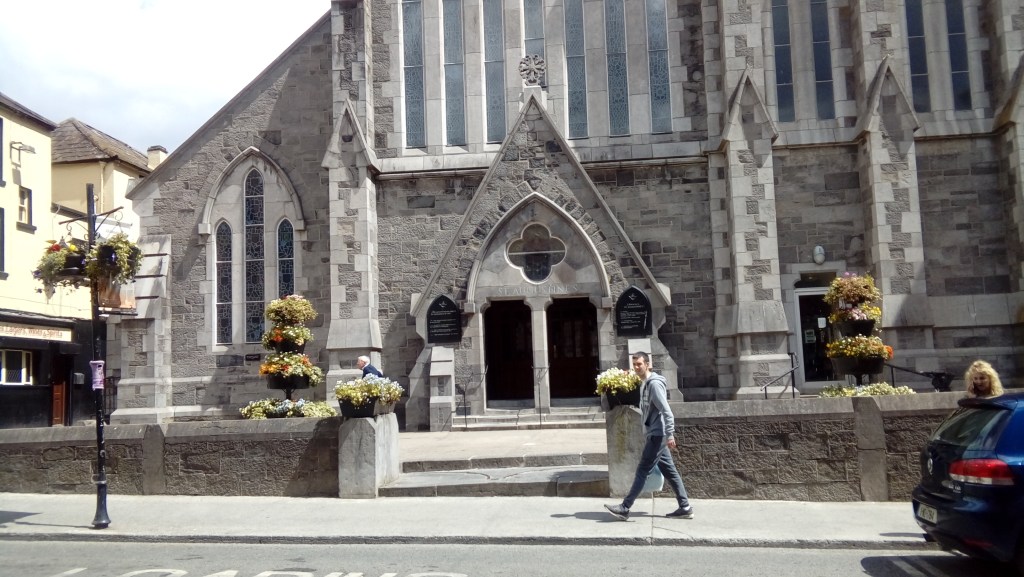
Augustinian Church.
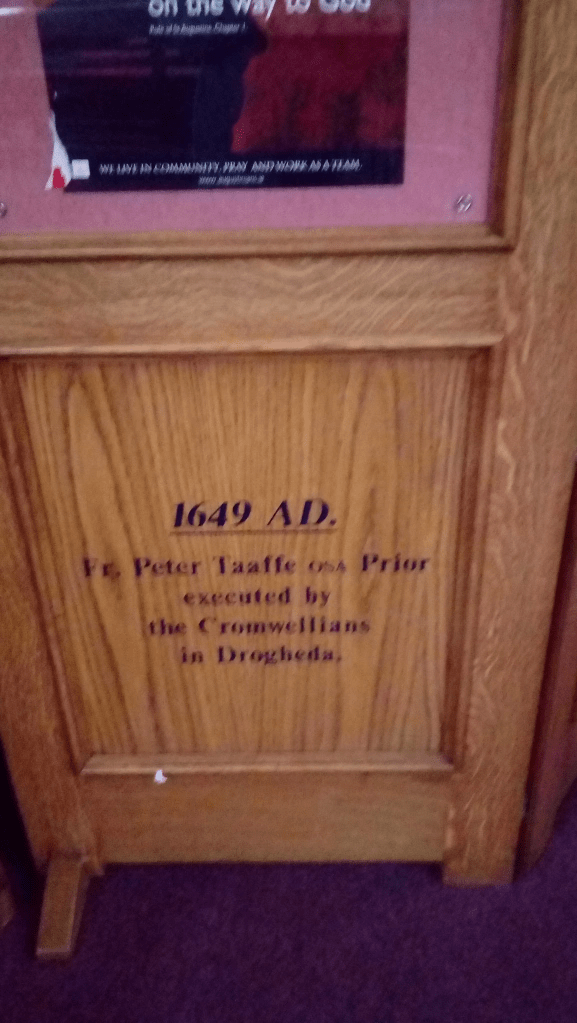
Augustinian Church in Drogheda and memorial to Blessed Peter Taaffe, the Augustinian prior executed by Cromwell’s troops in 1649.
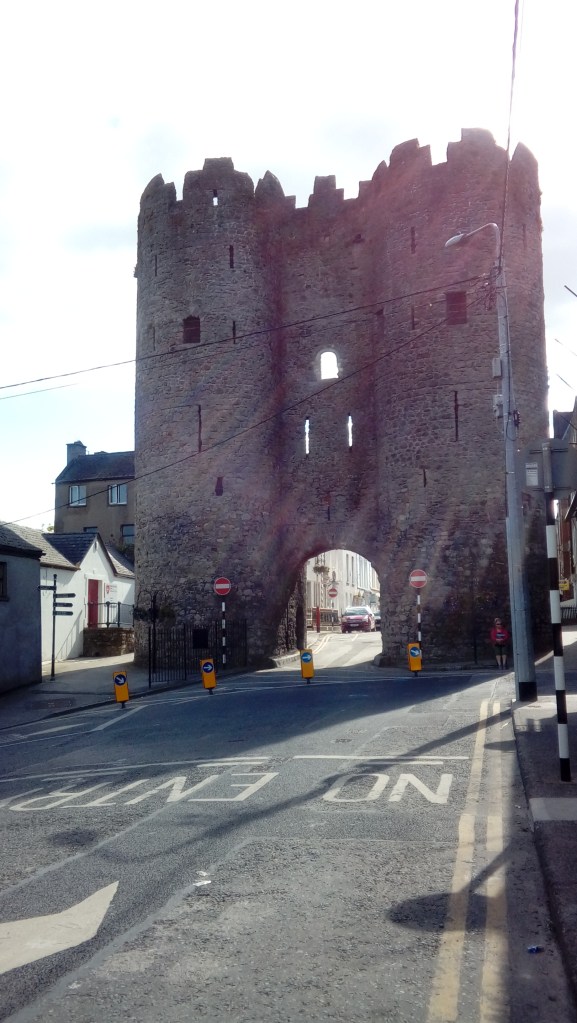
St Laurence Gate, part of the walls dates from 13th century.
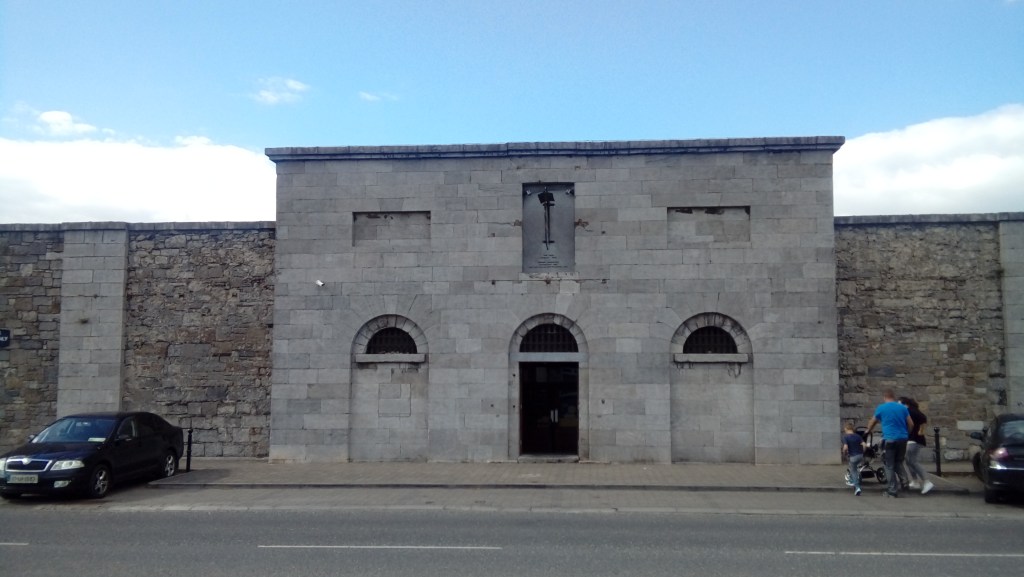
The Old Gaol.
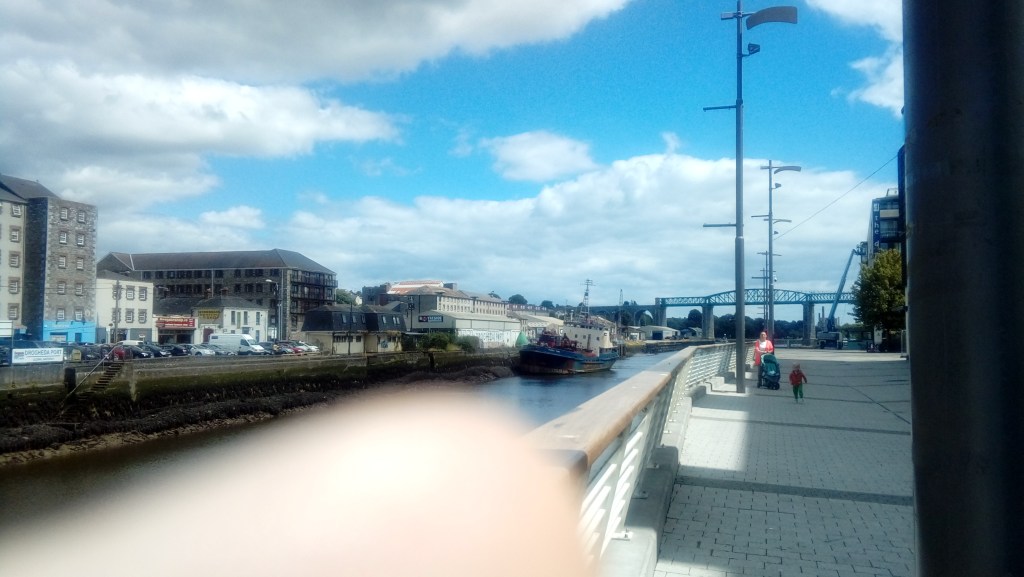
The River Boyne.
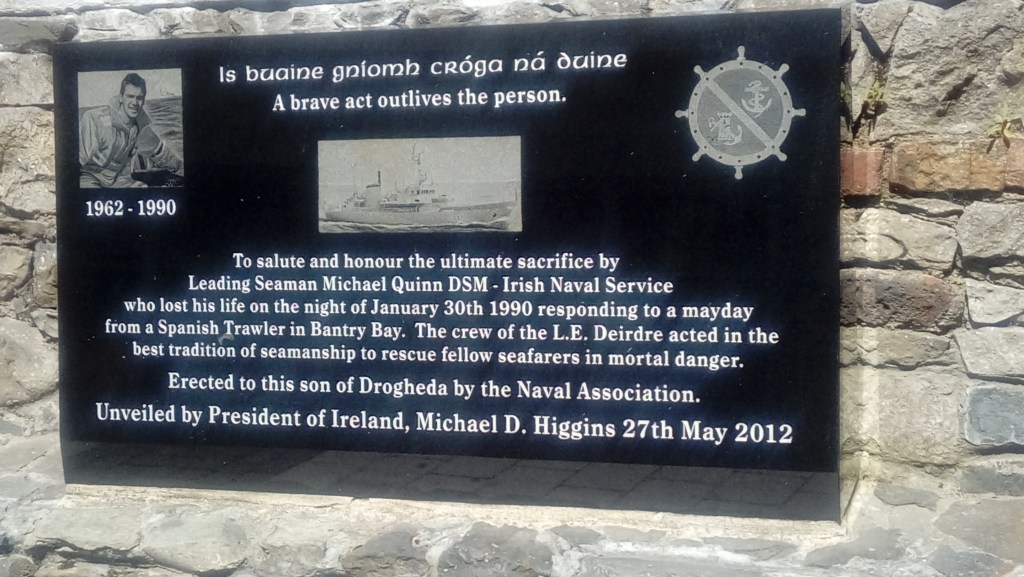
The memorial to Michael Quinn, Irish Naval Service who lost his life in the line of duty.
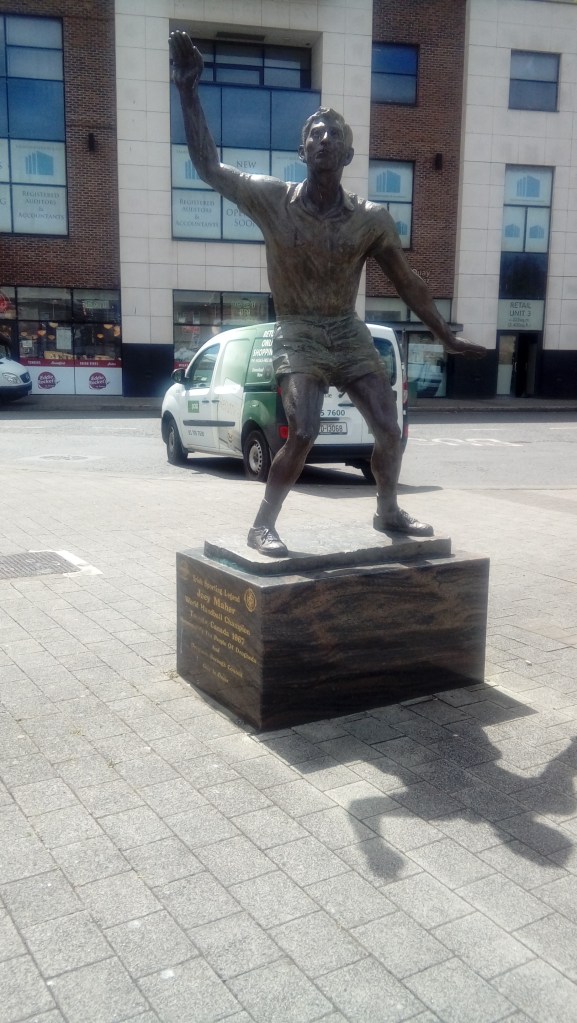
Joey Maher, Handball player.
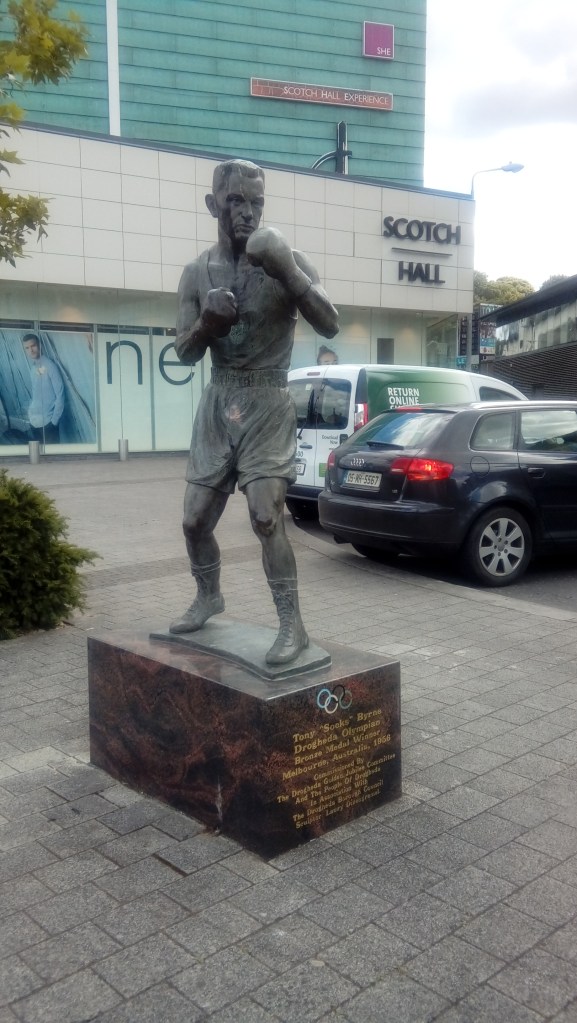
Tony “Socks” Byrne (Boxer) who carried the National Flag at the opening ceremony of the Melbourne Olympics (1956) and went on to win a bronze medal.
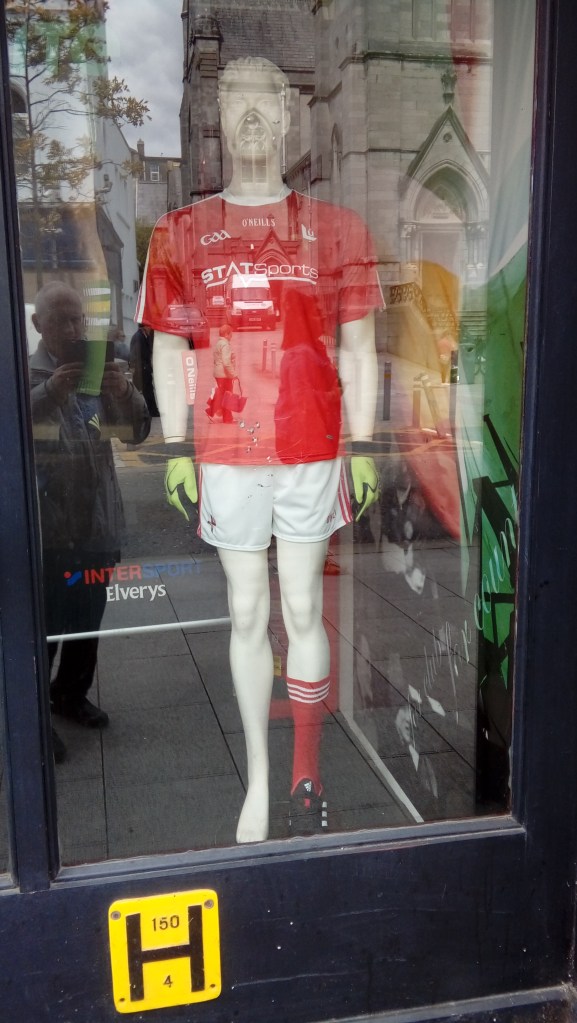
Louth GAA colours.
Posted in County Louth

County Louth: Dundalk

10th October 2017.

A train from Portadown to Dundalk (population 40,000). About 50 minutes.

Dundalk is about 10 kilometres from the “border” with Norn Iron and during the Troubles (1969-1998) was a refuge for IRA men who were “on the run” and/or organising attacks in South Down and South Armagh.

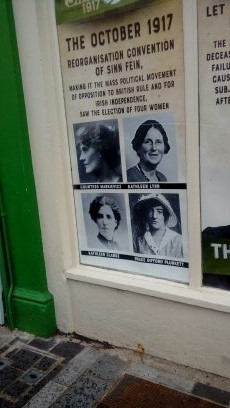
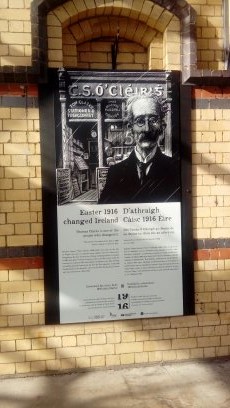
Monuments include a 1916 Memorial and a very peculiar sculpture that honours the visit of American President, Bill Clinton.

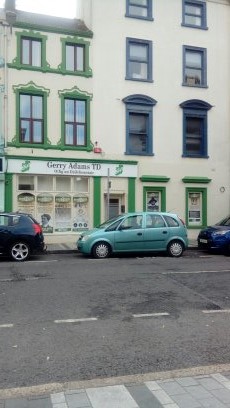
The office of Gerry Adams TD (Sinn Féin).

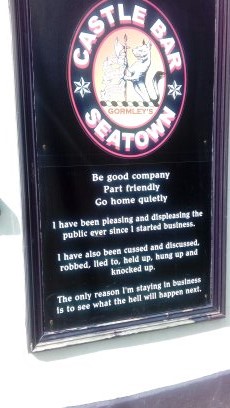
A sign on a pub in Dundalk.

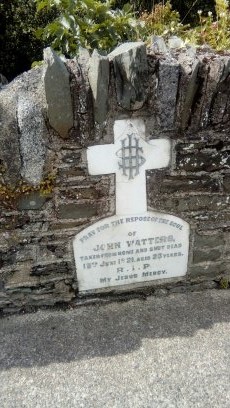
Memorials to IRA volunteers (brothers) who were killed by British Crown Forces in 1921.

I took the train from Dundalk station, named for Thomas J Clarke, (signatory of the 1916 Proclamation) who was executed.

One unhappy note. I left my baseball cap (a souvenir from the Irish National Stud) in a sandwich bar.

Posted in County Louth

County Louth: Carlingford

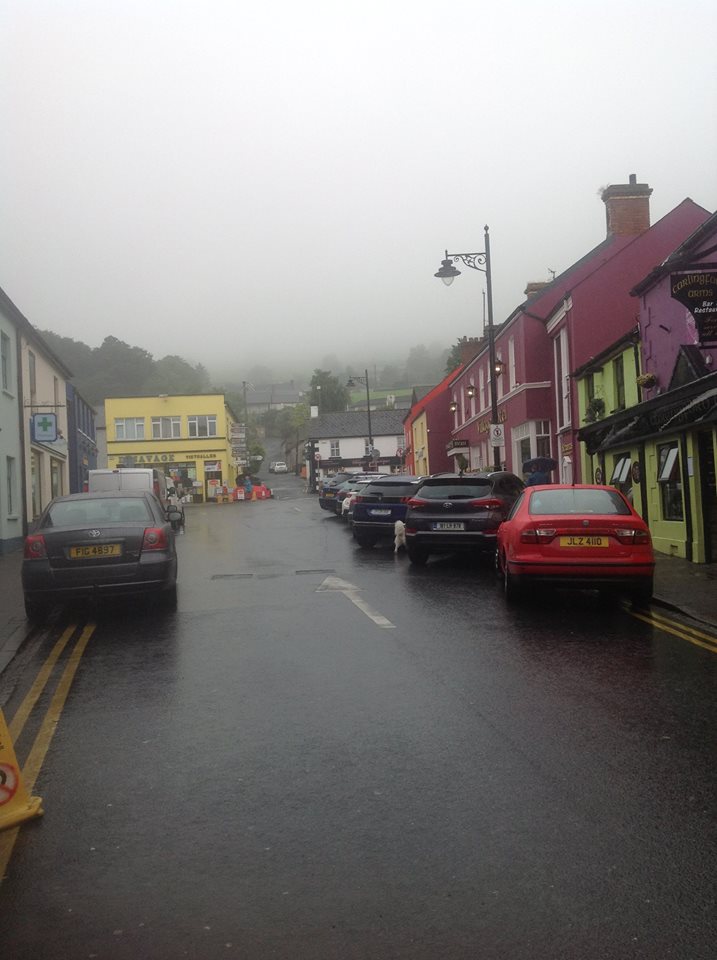
30th May 2017. A wet day. Another car trip with the family. Carlingford, the main town on the Cooley Peninsula is on the southern shore of Carlingford Lough, about 8 kilometres from Omeath. The population is about 1,500.

It was a settlement founded by the Vikings in the 9th century. And was later a Norman market town.

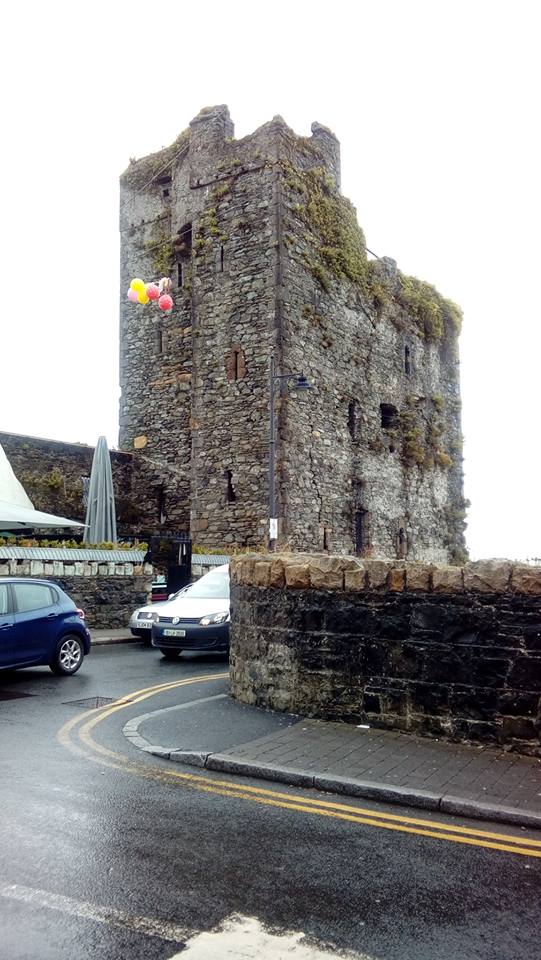
King Johns Castle.

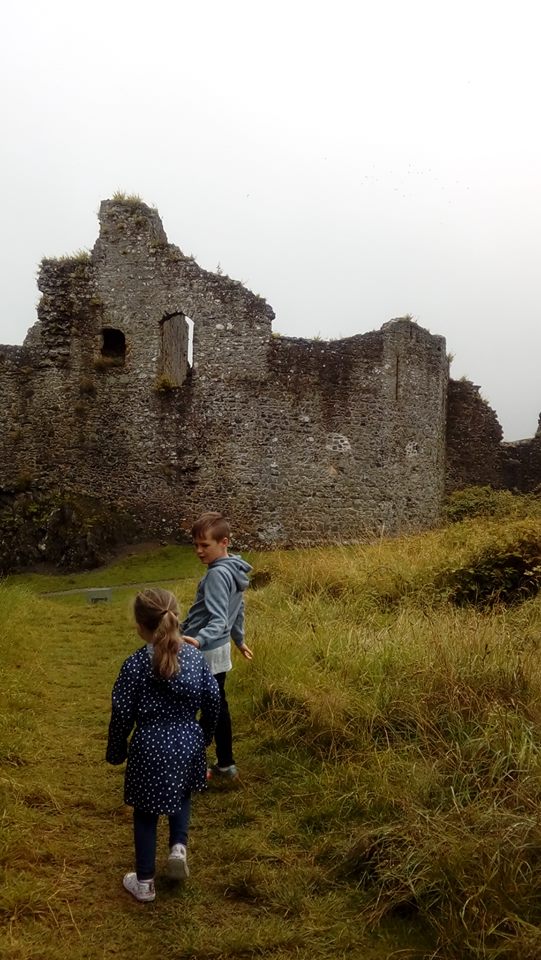
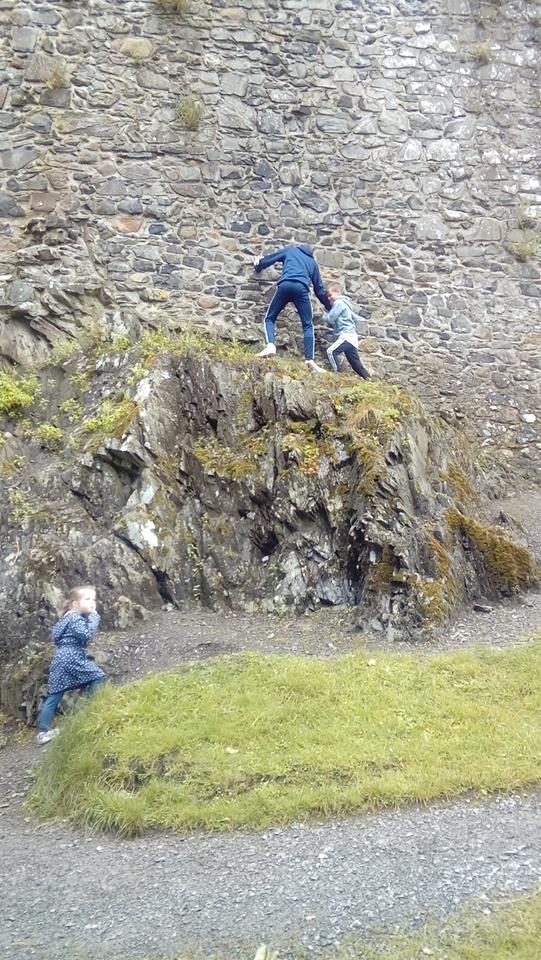
Fun for my grandchildren to climb King Johns Castle.

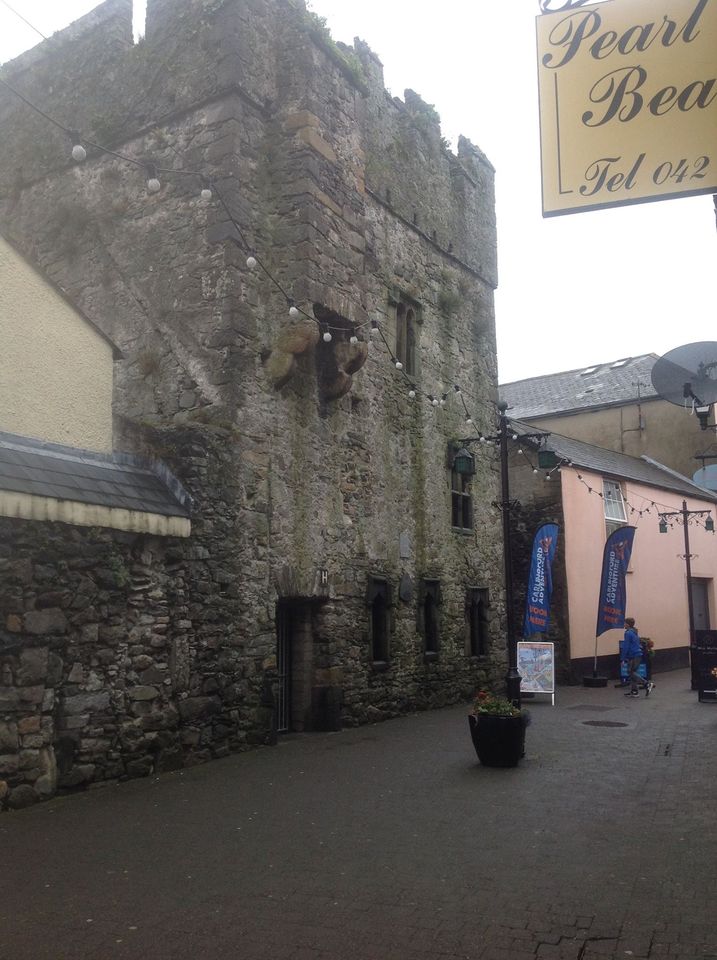
The old Mint.

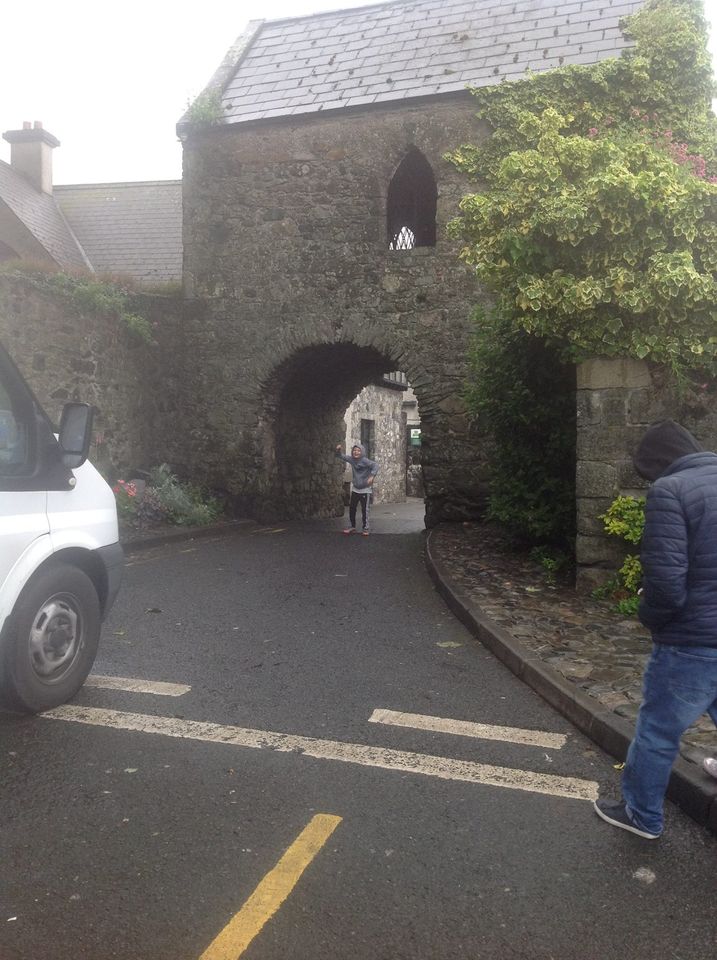
The Gate.

The town has some Norman buildings including the Mint, Town Gate and Taaffes House.

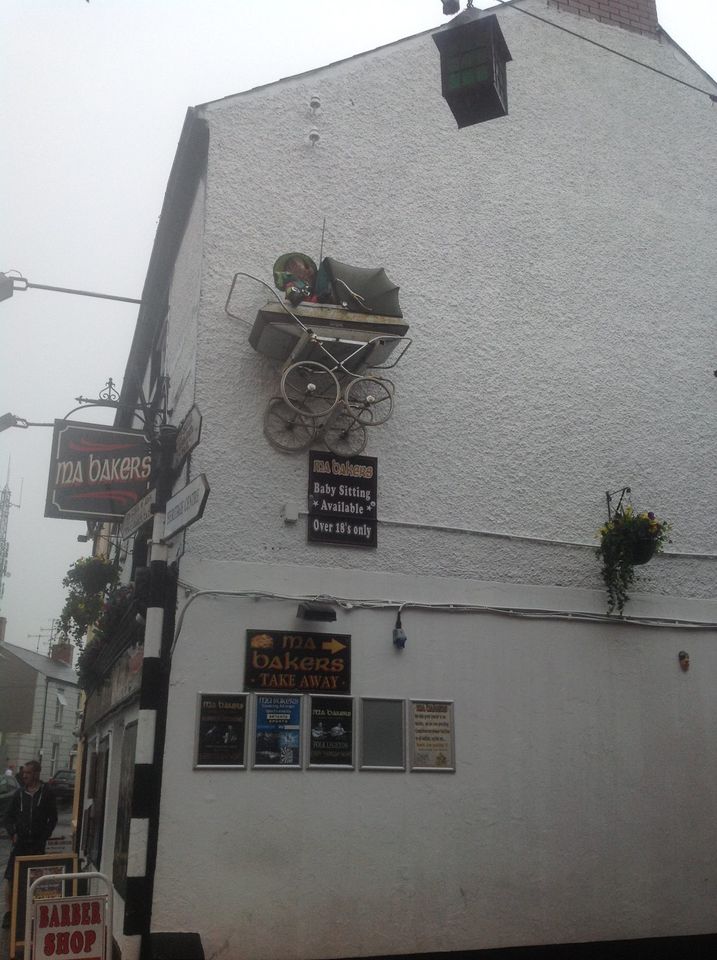
Some artwork on a pub.

The village square.

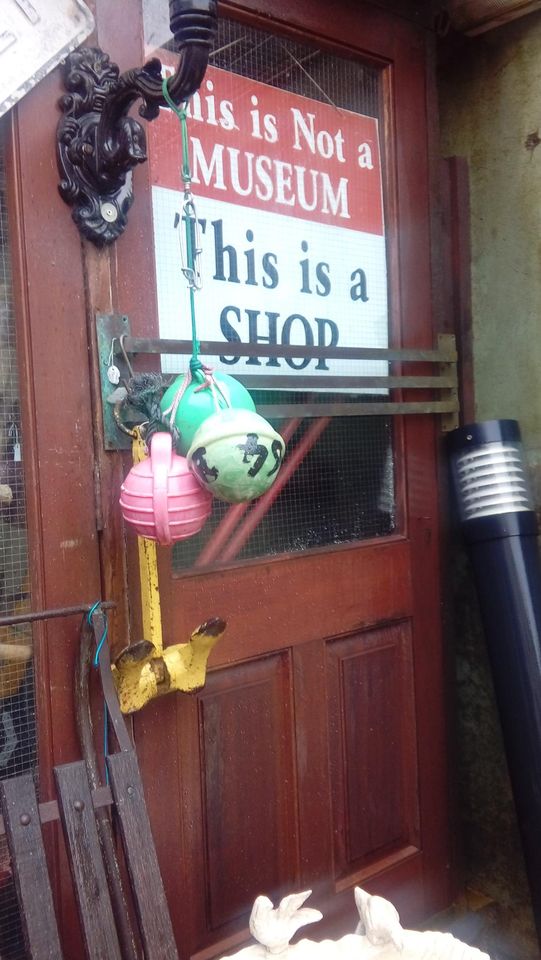
Some antique shops around the village.

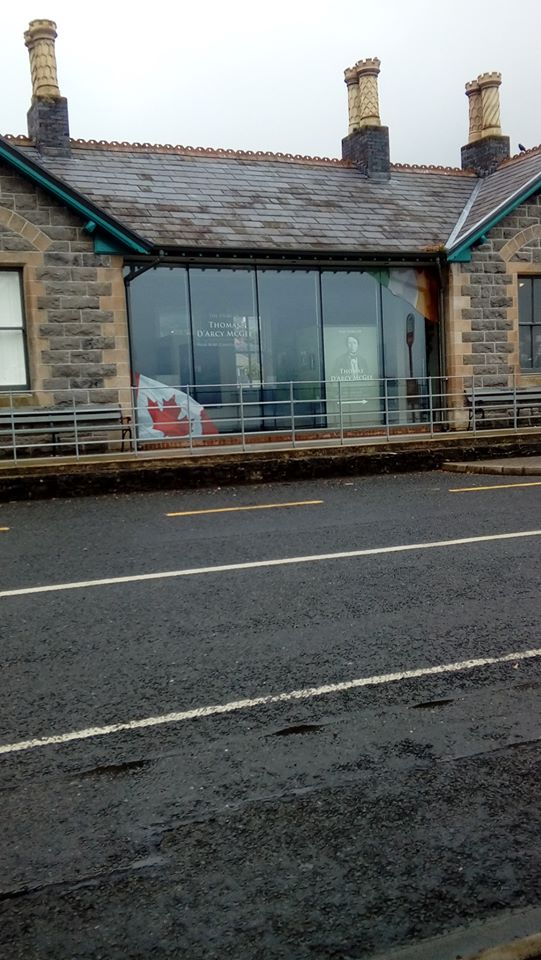
Visitor Centre.

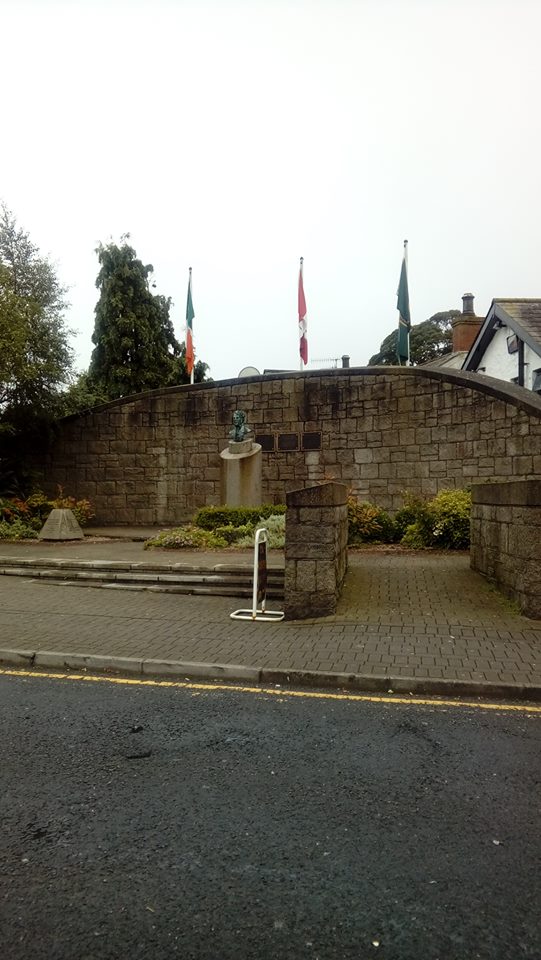
The monument to Thomas D’Arcy McGee. McGee was born in Carlingford in 1825 and was a member of the Fenian Brotherhood. He emigrated to Canada where he repudiated the Fenians and was assassinated by a Fenian, Patrick Whelan in 1868. He is one of the founding fathers of Canada.

The town is also a centre for mountaineering, rambling and sea kayaking.

The Cooley Mountains feature in Irish myths and legends as the birthplace of the warrior Setanta/Cú Chulainn.

Posted in County Louth

County Louth: Omeath

8th April 2017.

Omeath (population 750) in County Louth is about an hours drive from my home. This was a day out for my wife and self in one car and my older son’s family (his wife and three children) in a second car.

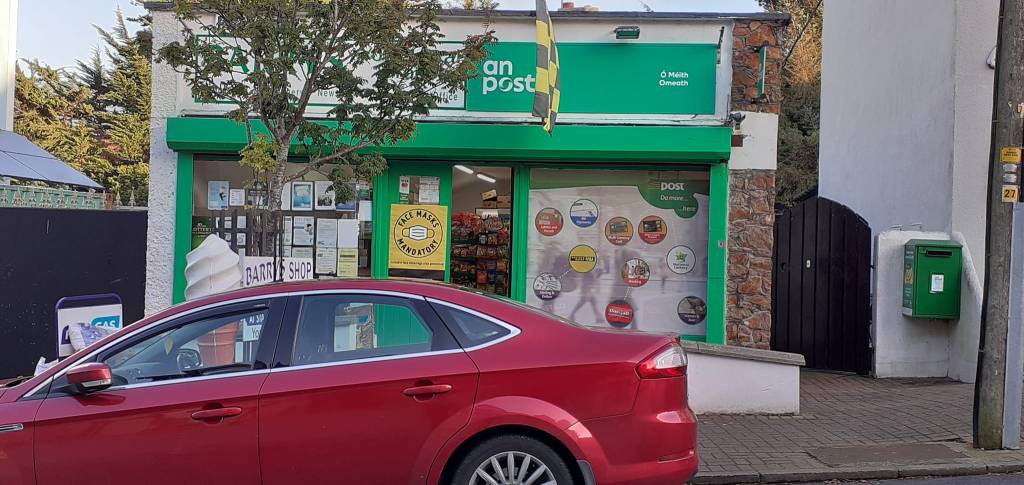
We are frequent visitors. Omeath lies on the southern shore of Carlingford Lough and across the “border” from Newry in County Down, it is the first village in the Republic of Ireland.

In the 1960s and 1970s it thrived on its bars being open on Sundays and therefore had many northern visitors by car, coach and even by boat (from Warrenpoint on the northern shore of Carlingford Lough).

My family.

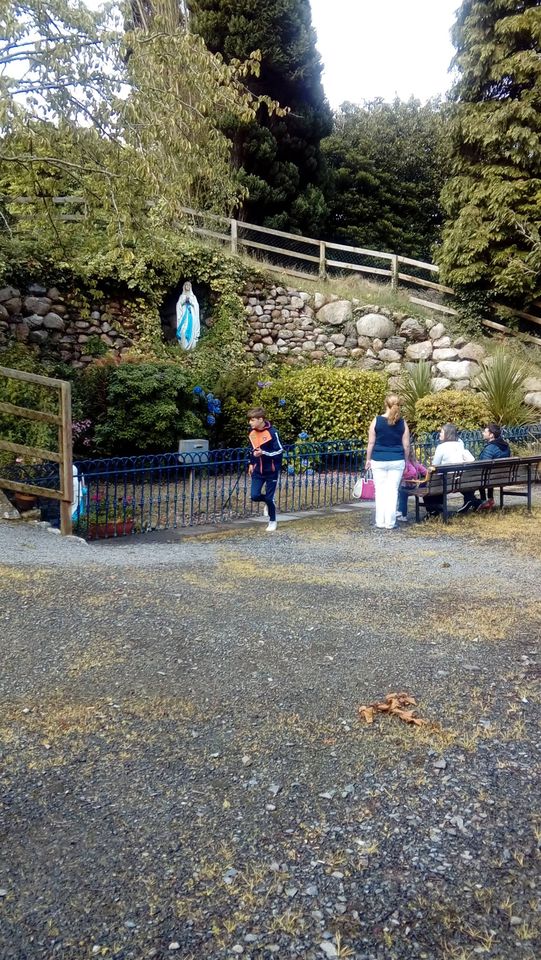
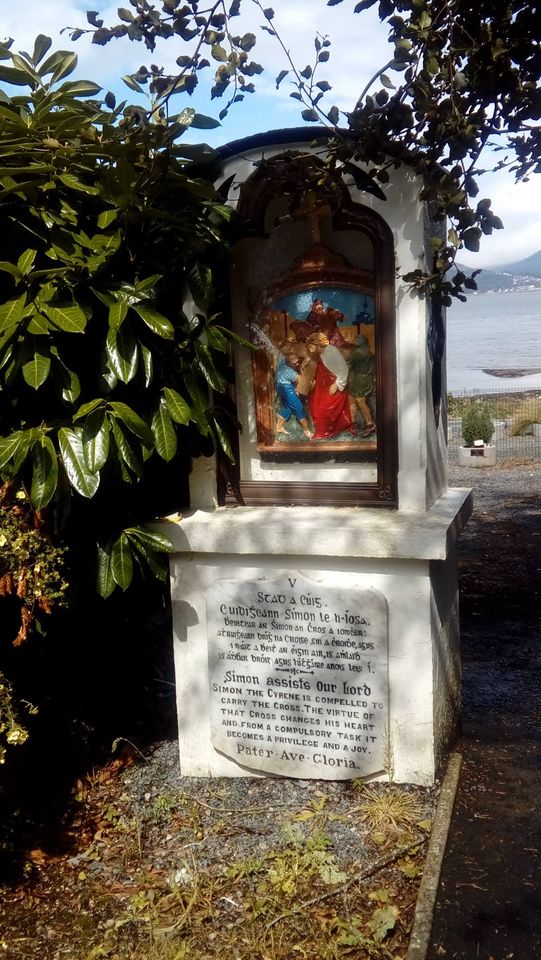
On the edge of the village is a shrine to St Jude and a walkway depictng the Stations of the Cross.