11th June 2018. Bus from Dublin to Celbridge, a distance of 25 kilometres.
The town has a population of 20,000 and sits on the River Liffey and is a major centre for canoeing.
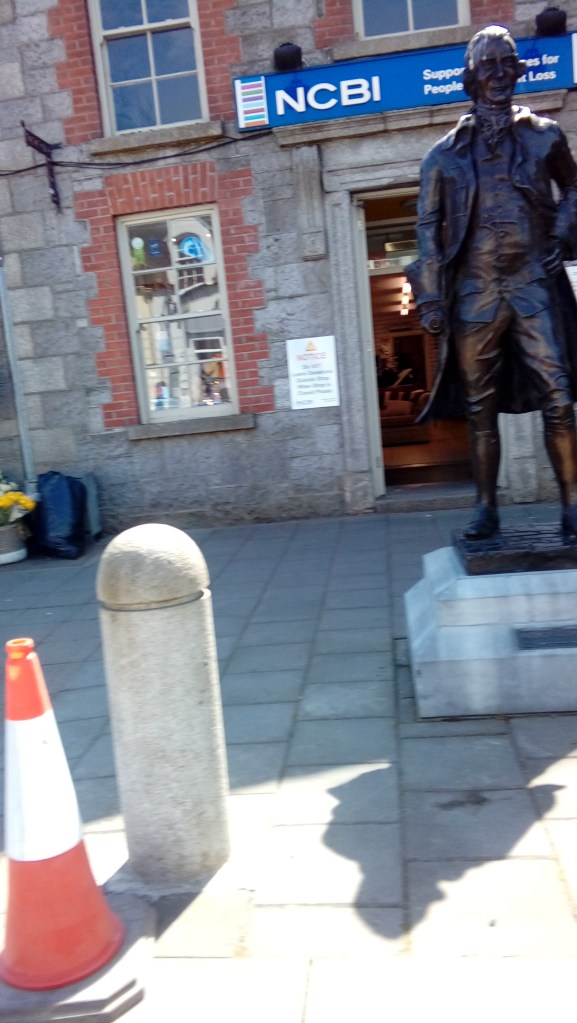
Arthur Guinness.
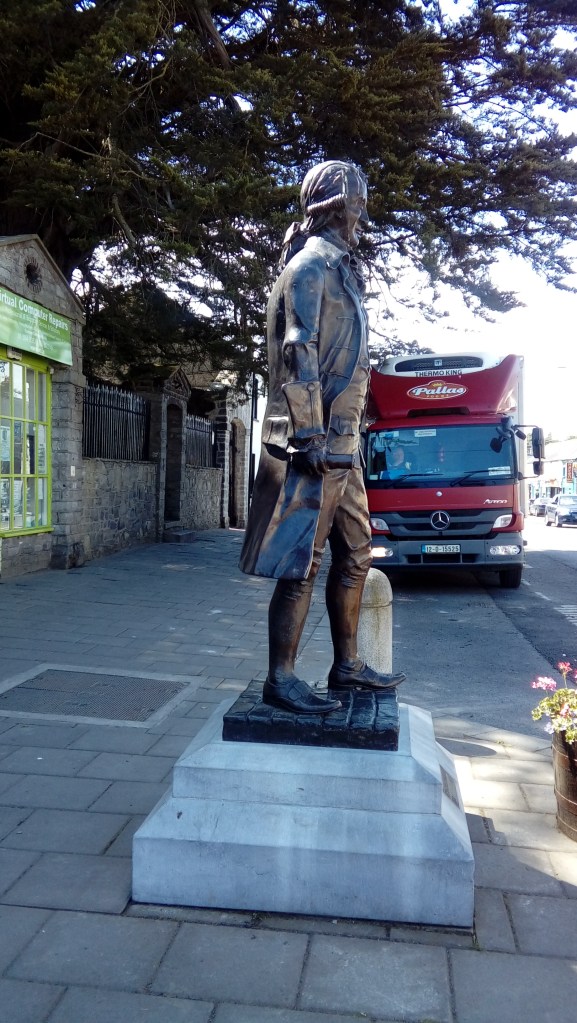
Arthur Guinness.
I got a bus back towards Dublin.
11th June 2018. Bus from Dublin to Celbridge, a distance of 25 kilometres.
The town has a population of 20,000 and sits on the River Liffey and is a major centre for canoeing.
Arthur Guinness.
Arthur Guinness.
I got a bus back towards Dublin.
31st May 2018. Train from Longford.
A walk around the campus. Opened in 1795 as the post-Penal Laws seminary for students for Catholic priesthood. Originally students were compelled to take an oath of allegiance to the English Crown.
About 12,000 students. The vast majority are not studying for priesthood.
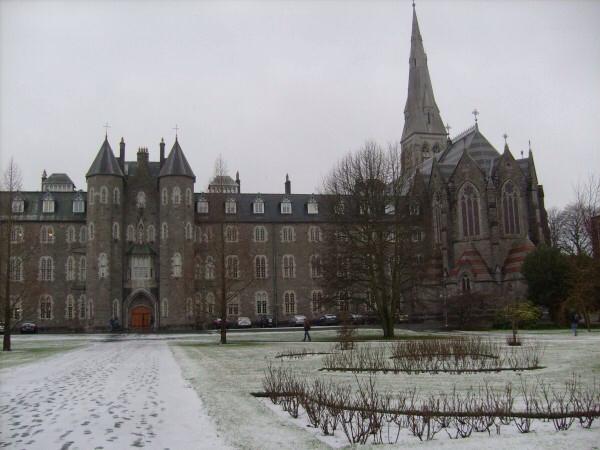
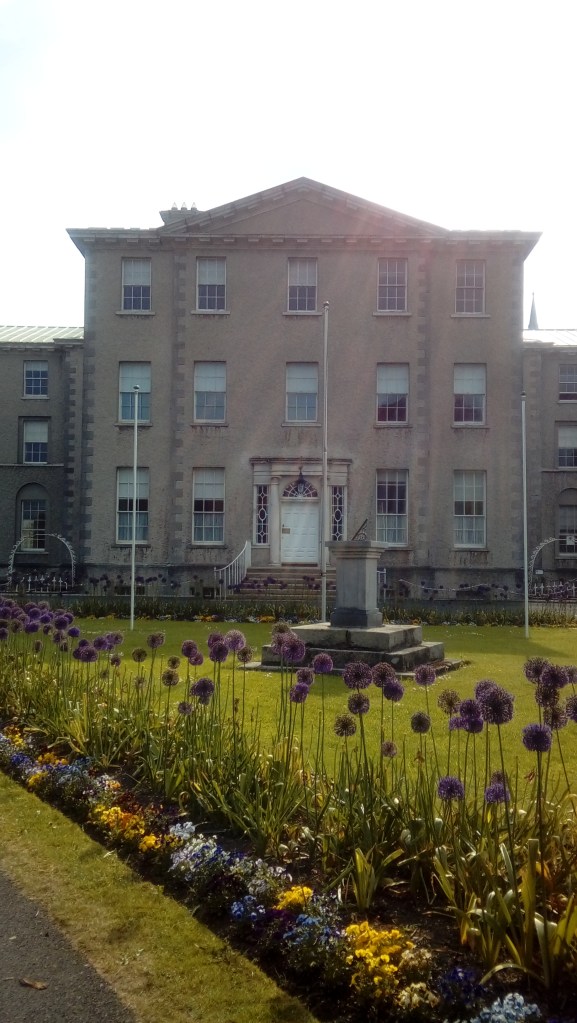
The main building at Maynooth. I actually stayed two nights here when I attended a seminar in March 2009. As you will see, the photograph was taken at that time.
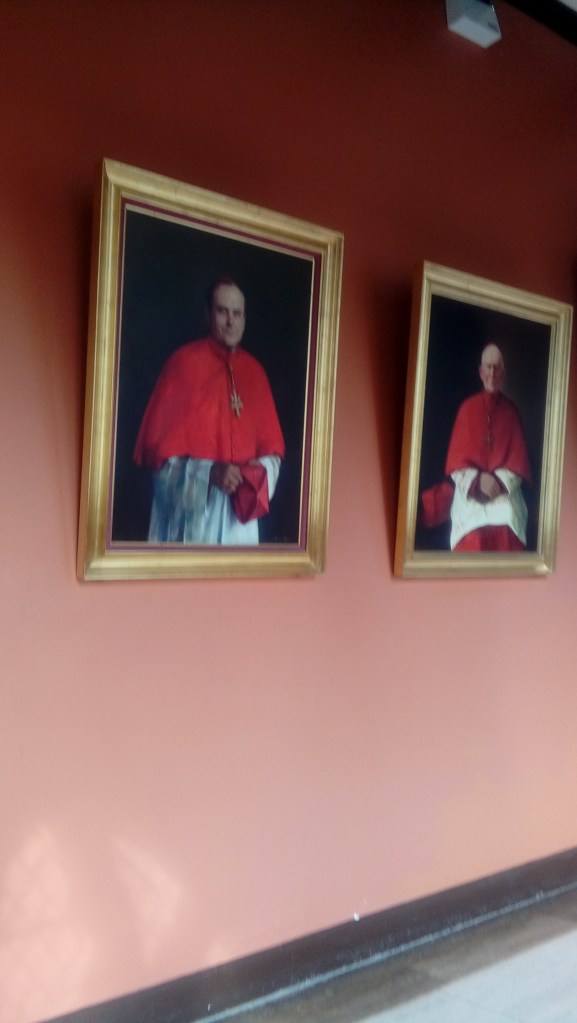
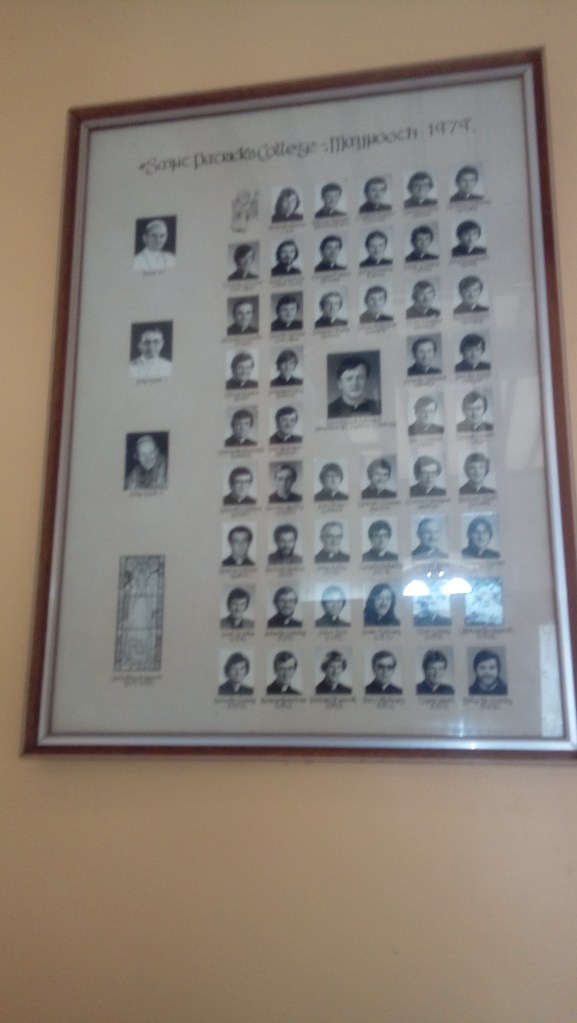
The cloisters of the main university building. Portraits of eminent Irish churchmen and photographs of ordination classes going back several years. Bust of St Oliver Plunkett, Archbishop of Armagh who was hanged, drawn and quartered in London
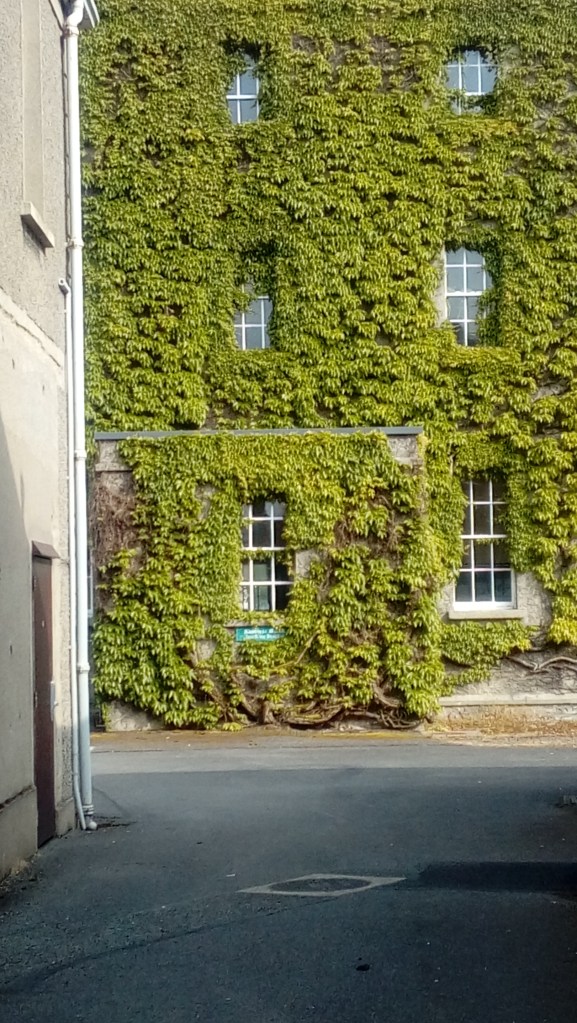
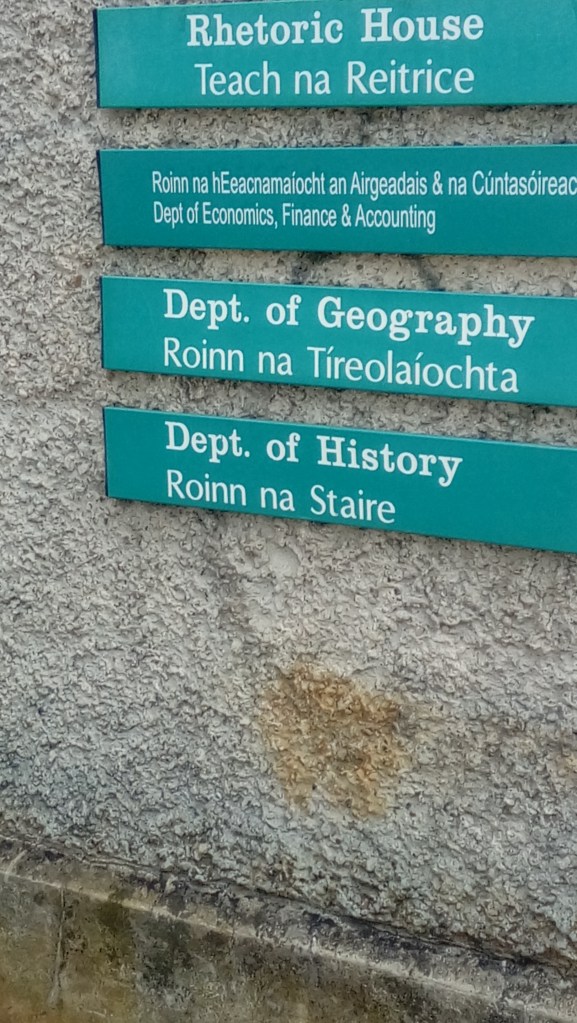
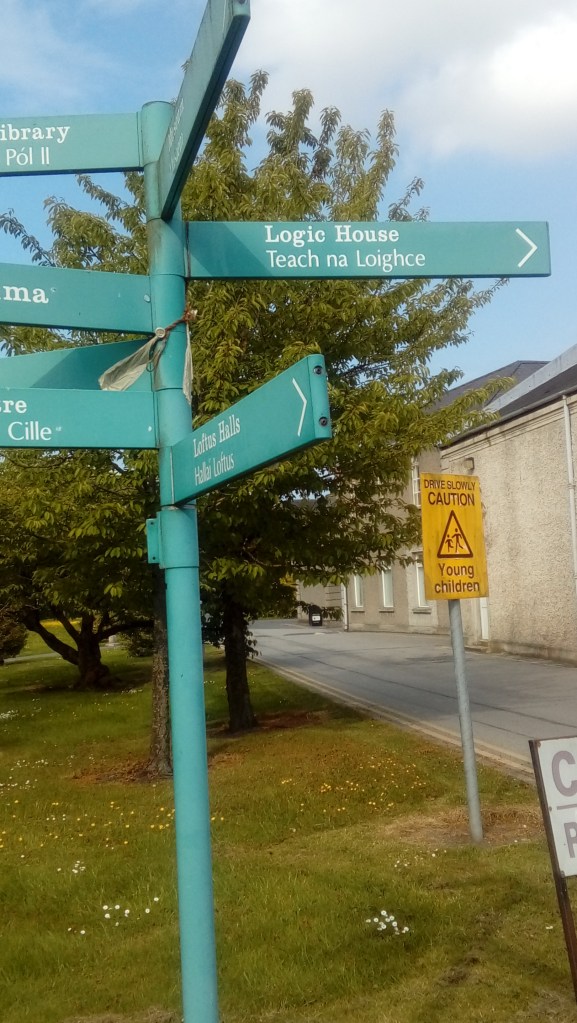
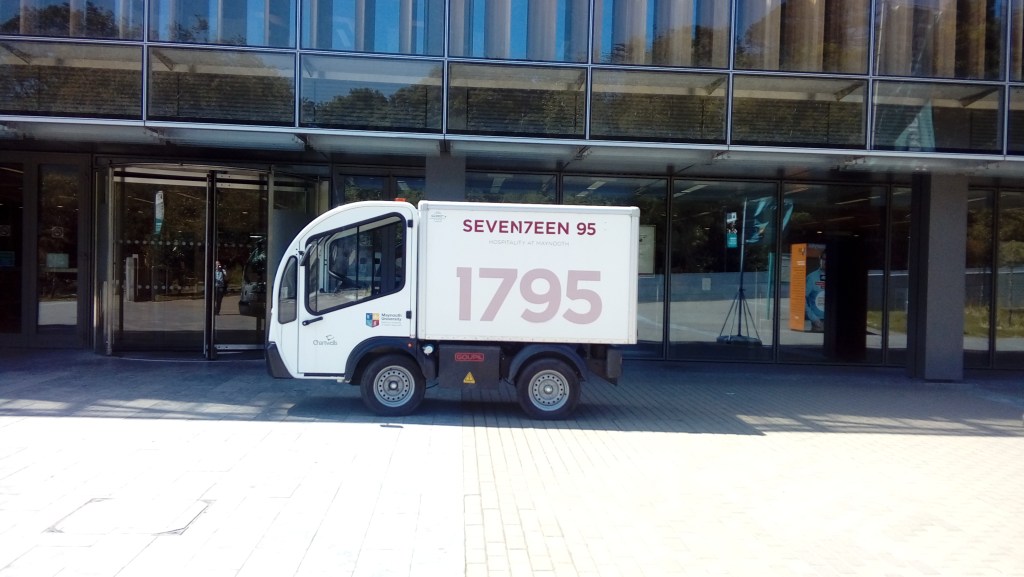
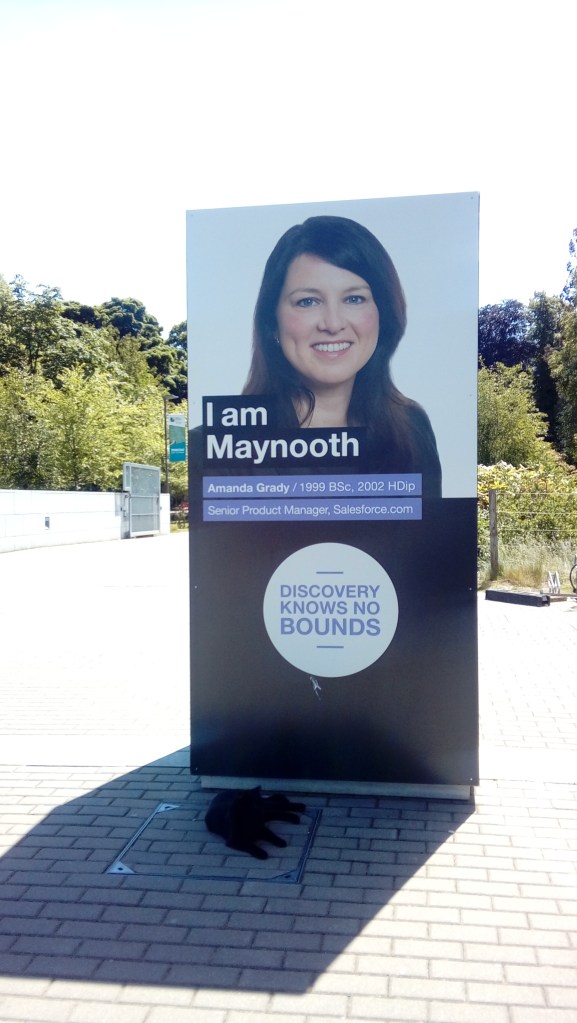
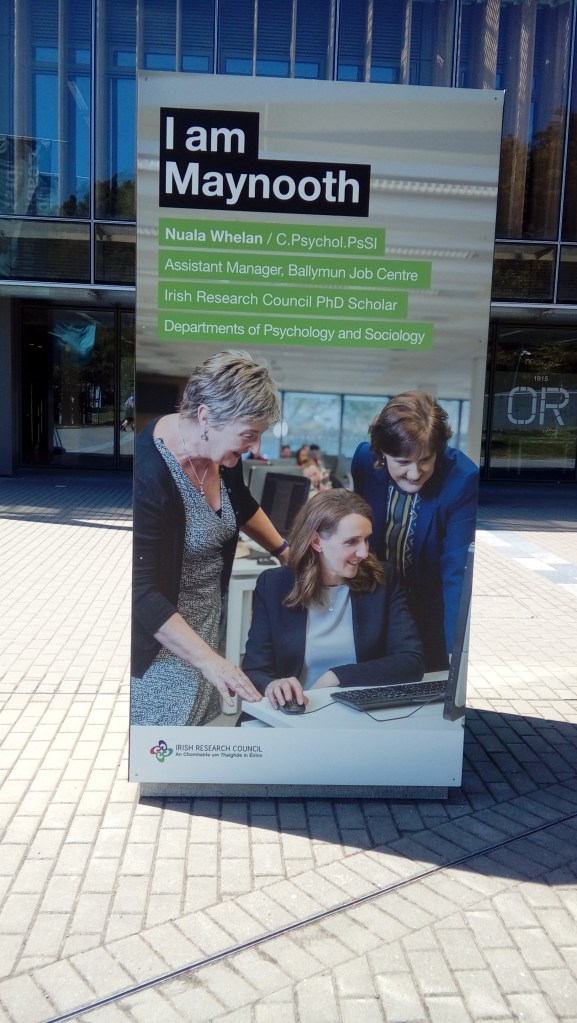
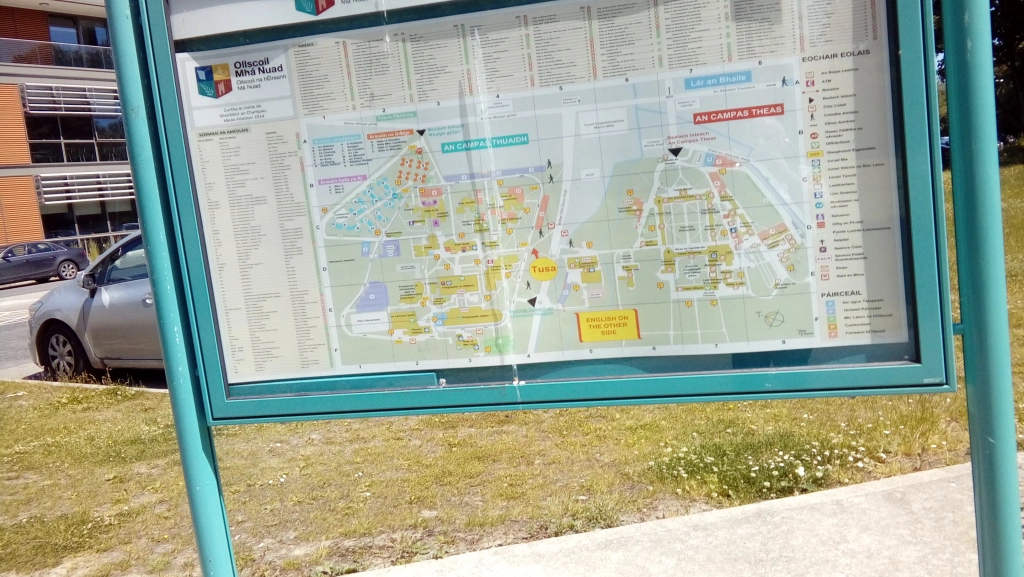
Photos taken in the new campus.
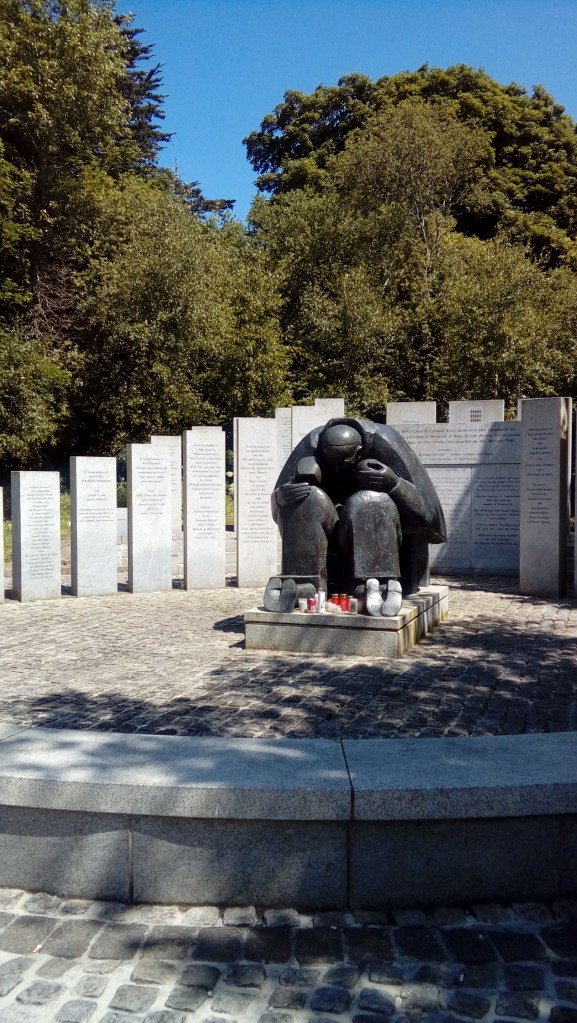
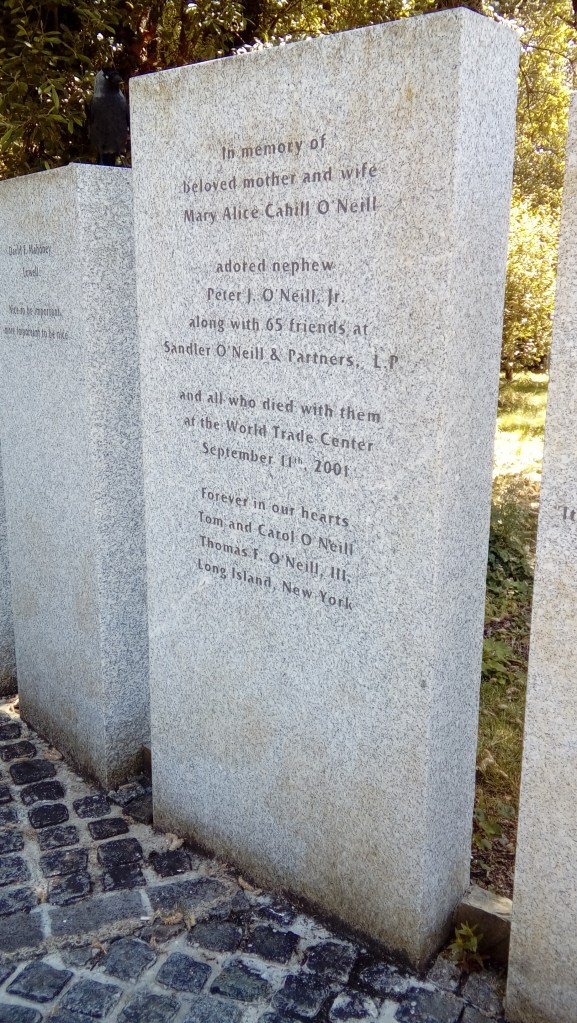
Monuments commemorating the visit of Pope John Paul II in 1979 and the World Trade Centre victims in 2001.
7th May 2018.
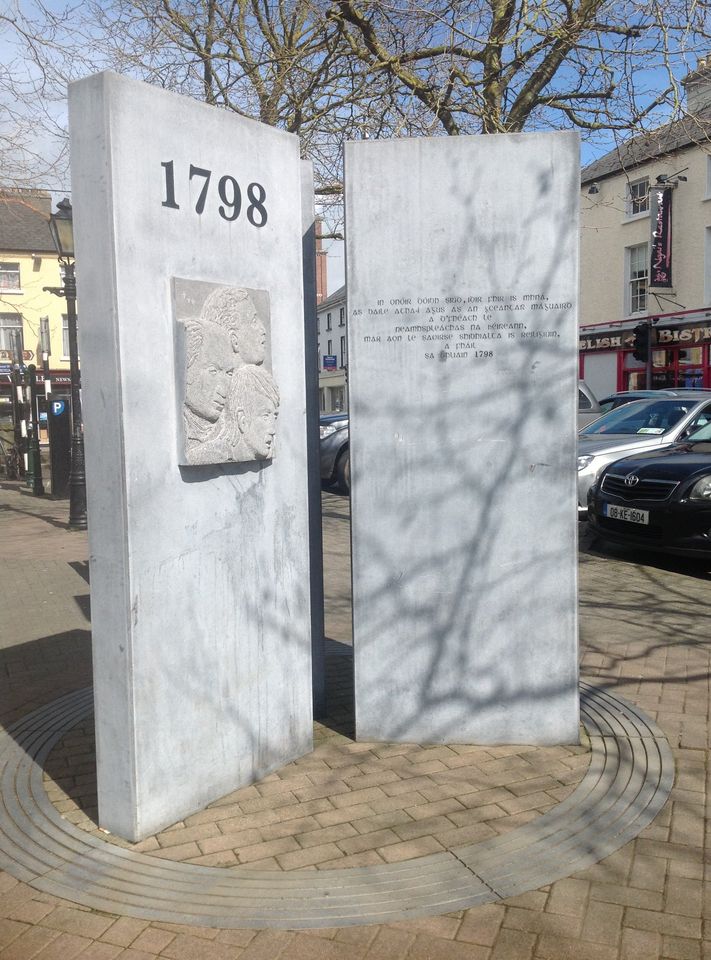
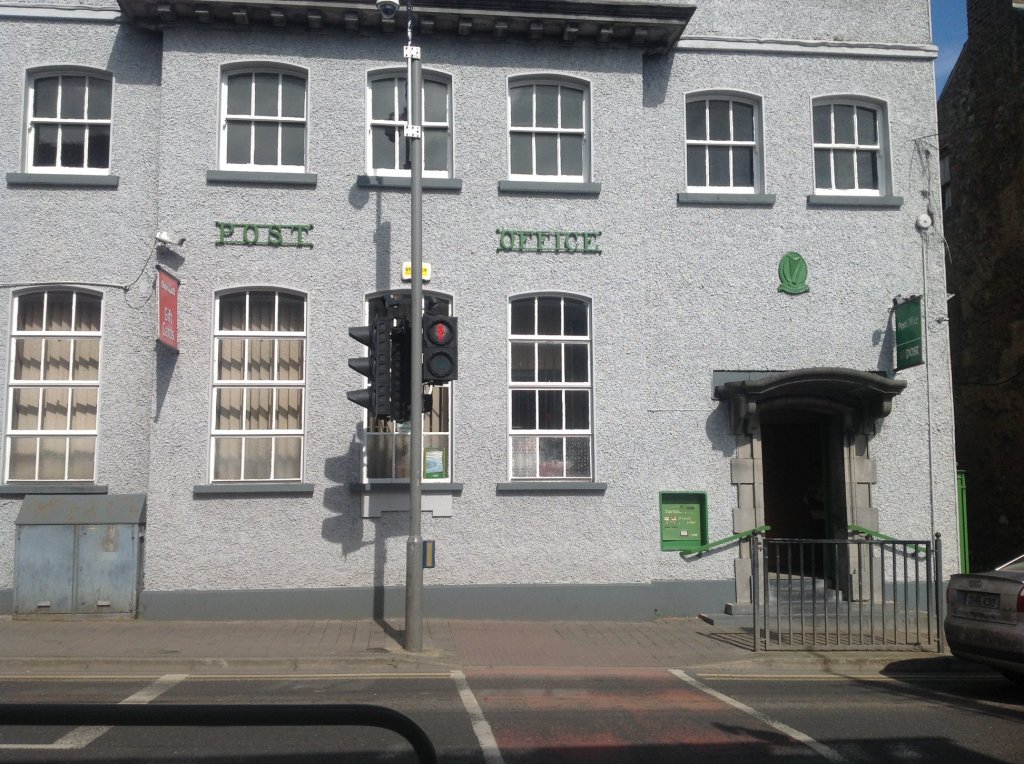
23rd April 2018.
Naas, the county town of County Kildare has a population of about 25,000. Growing as part of the expansion of Dublin commuter belt. And part of the “horse country” of Newbridge, Naas, Kildare and The Curragh.
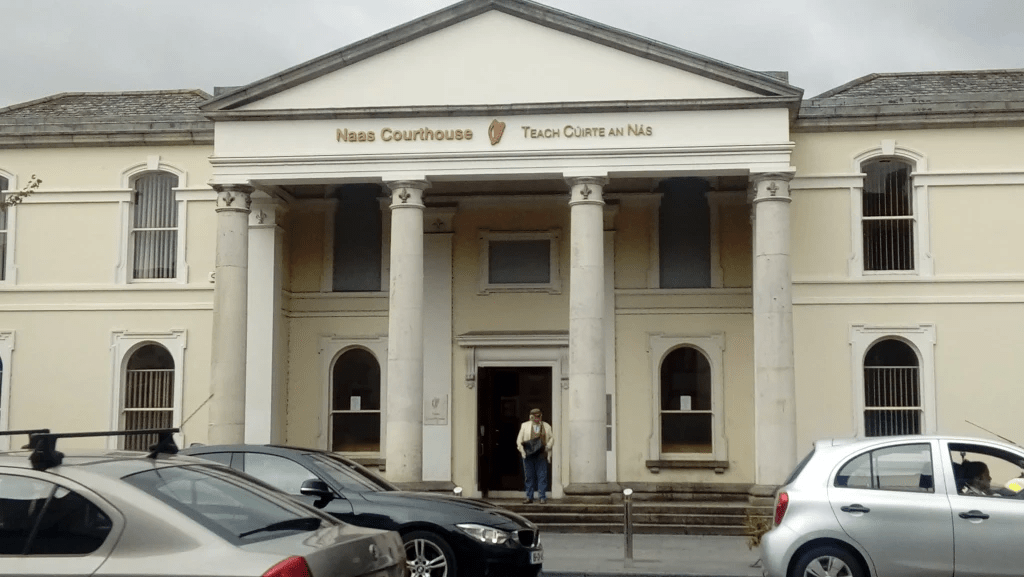
Court House.
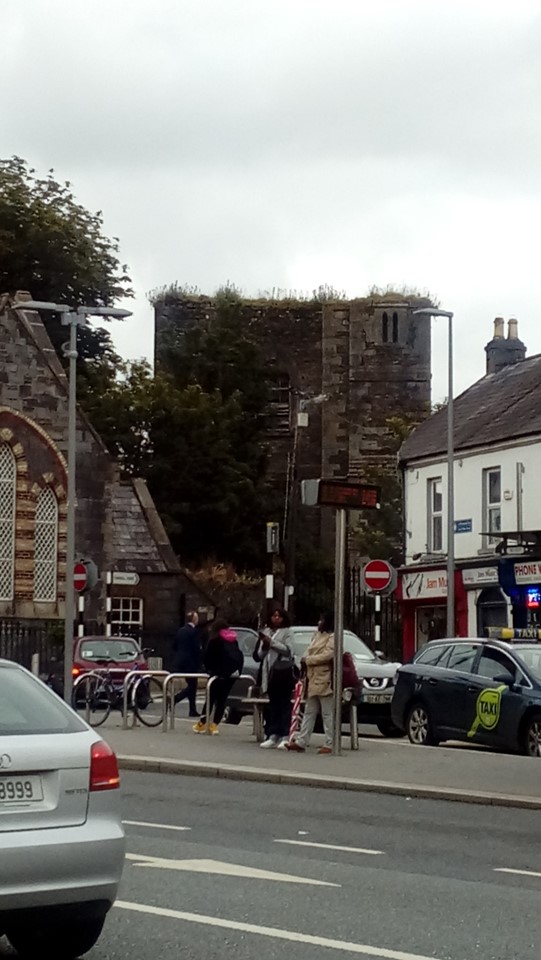
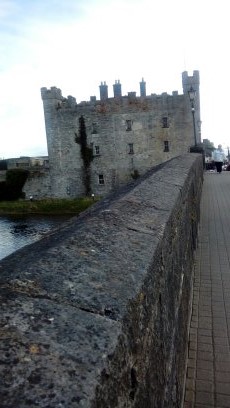
Castle.
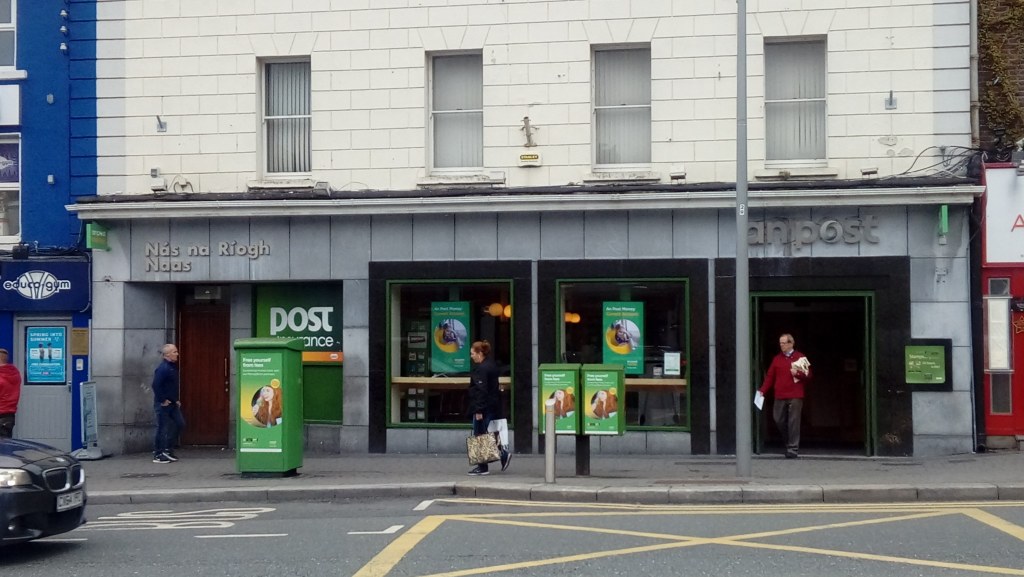
Post Office.
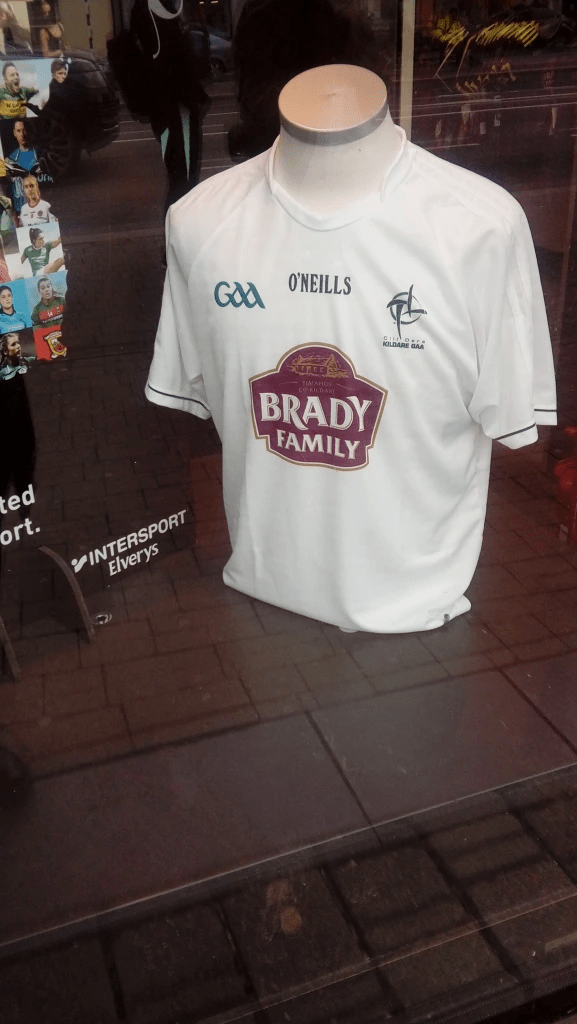
The GAA colours of KIldare.
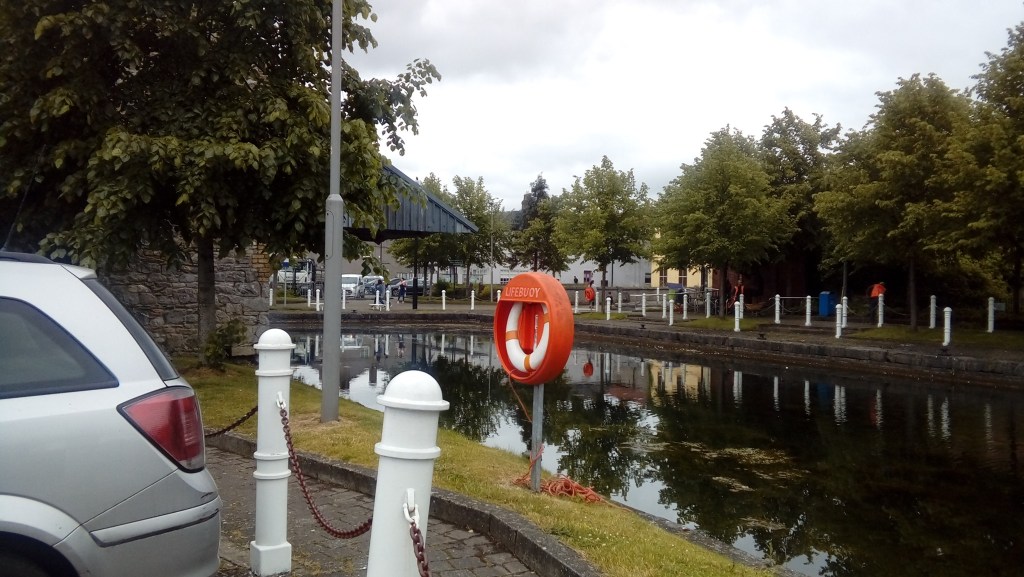
The Grand Canal.
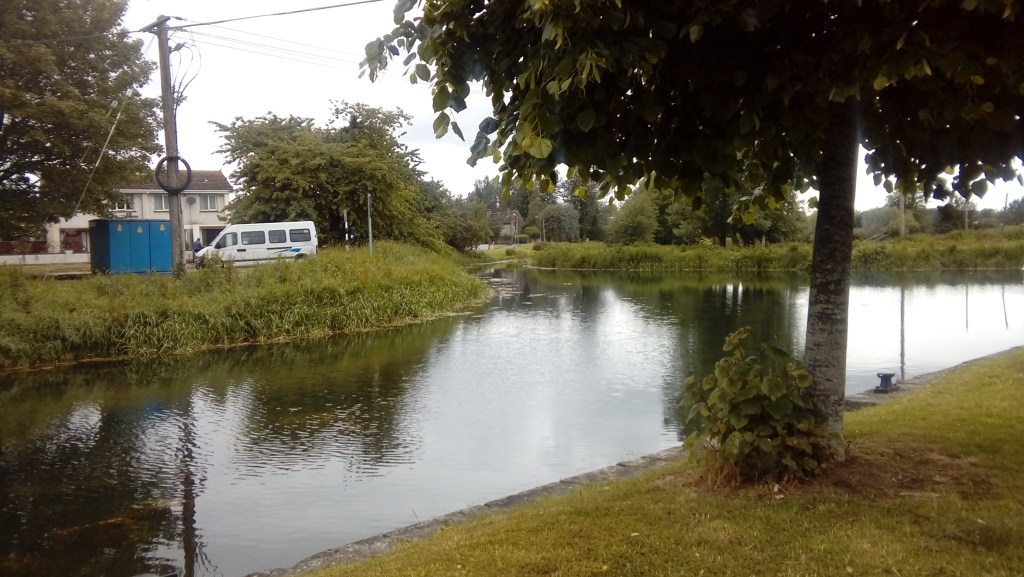
The Grand Canal.
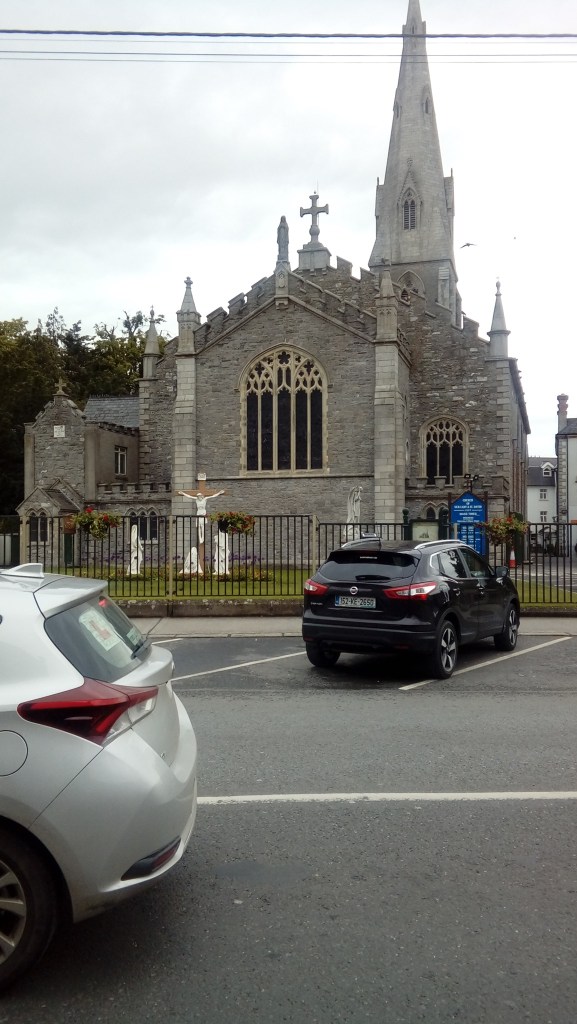
The Catholic Church (Our Lady & St David)
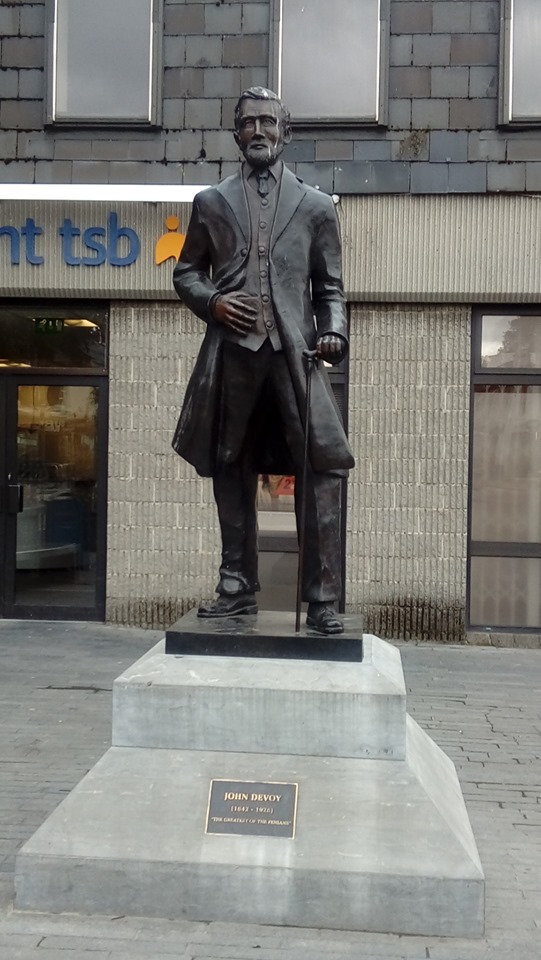
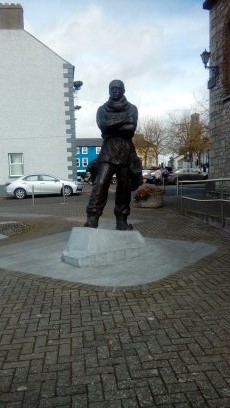
Statue, unveiled in 2016 (centenary of Easter Rising) of Irish patriot John Devoy (1842-1928) who was born nearby in Kill. He joined the Fenian Brotherhood while still a teenager and was an organiser in Naas. He was arrested and served time in prison for organising Irish soldiers in the British Army. He was sentenced to several years but the sentence was commuted to banishment for the duration of the prison term.
Devoy went to United States of America and became an organiser of the Fenians and Irish Republican Brotherhood.
His republican activism includes the Young Ireland Rising, Fenian Rising and the Easter Rising.
He died in New Jersey but is buried in Dublin.
I took the bus back to Dublin.
23th April 2018.
I took the train from Dublin to Newbridge (population 20,000), a distance of 25 miles.
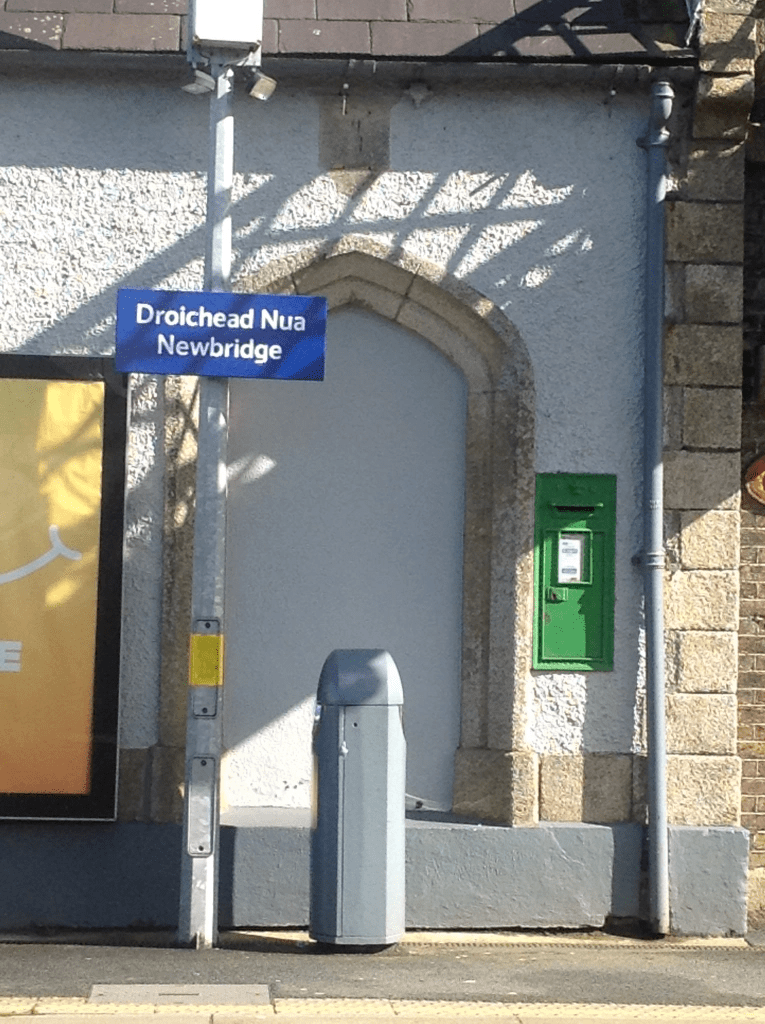
Railway Station.
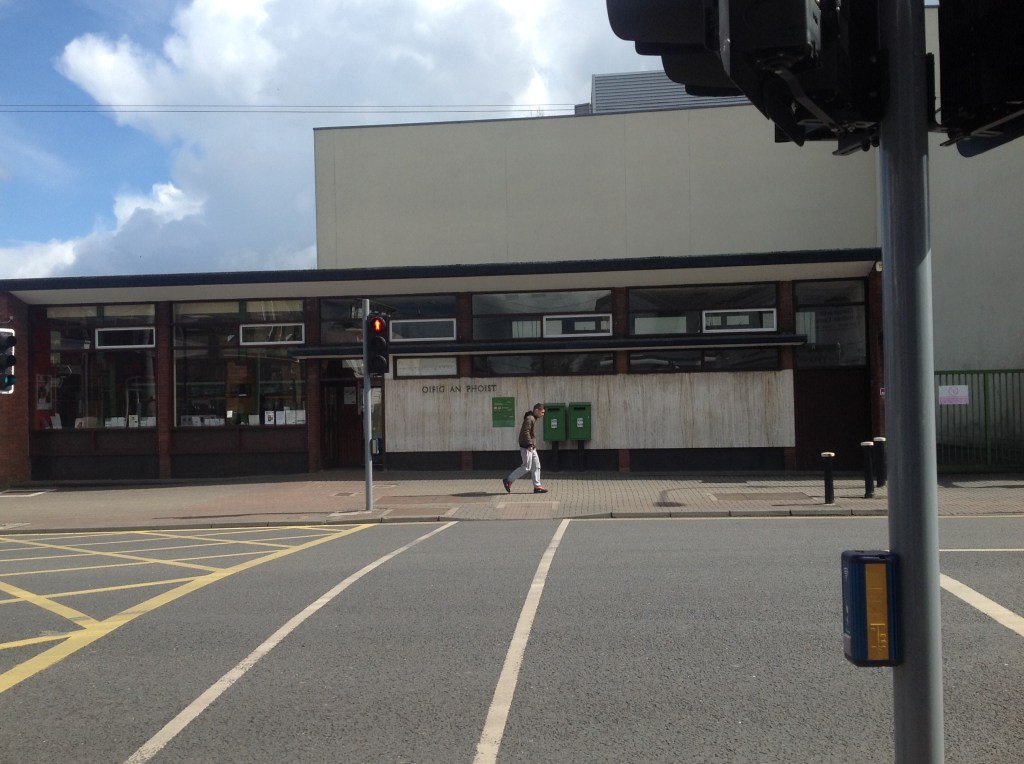
Newbridge Post Office.
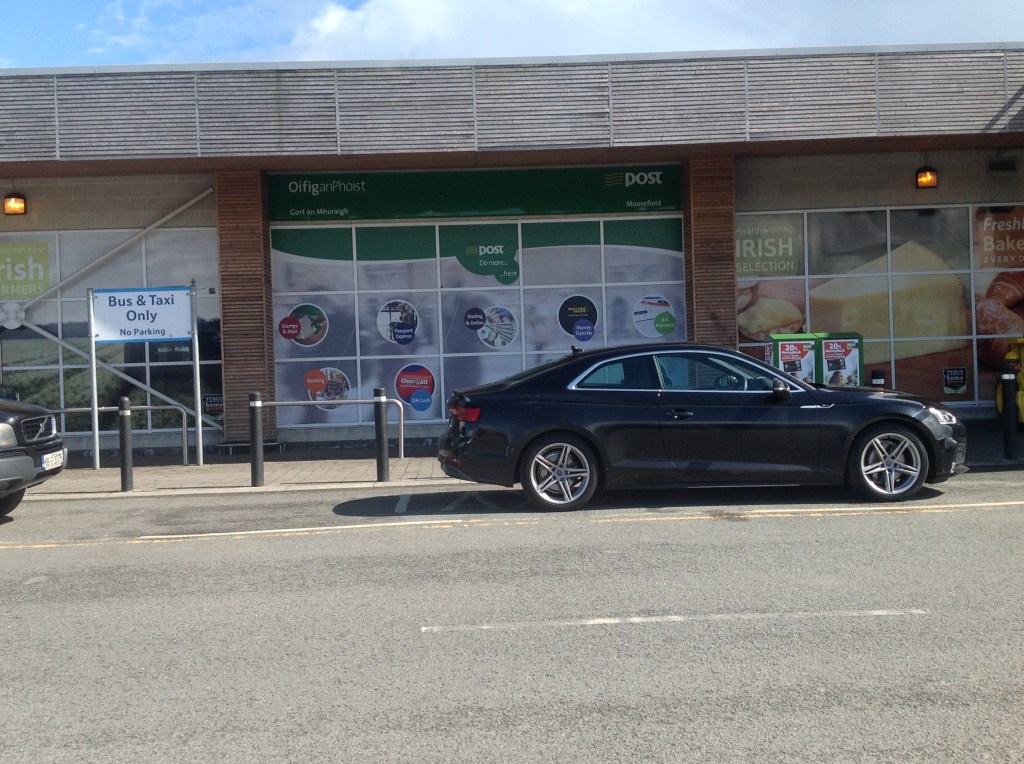
Moorfield Post Office.
Once a British garrison, it is now a commuter town and the population is constantly growing. No evidence of the old cavalry barracks.
A pretty dull main street.
I took a bus to Naas about 10 kilometres west.
22nd March 2018. I took a train from Dublin. Monasterevin (population 4,000) is about 63 kilometres from Dublin. Once a national joke because of the traffic congestion as traffic from south west and west travelled to and from Dublin, it is now by-passed by modern roads.
Situated on the River Barrow and Grand Canal.
The strange thing is the streets in a grid pattern and a lot of care went into the layout by the landowners (Moores)
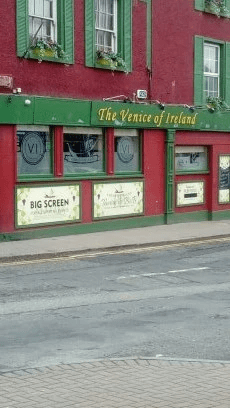
Known as the Venice of Ireland, the name survives in the name of a pub.
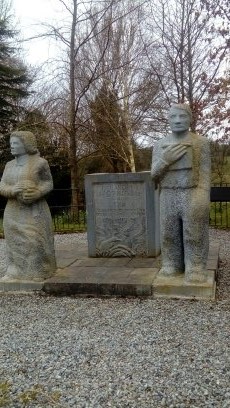
The monument to Gerard Manley Hopkins, poet, who was a regular visitor.
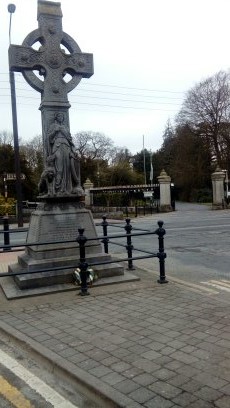
The Celtic Cross commemorates the 1798 Rebellion and specifically Father Edward Kavanagh, a local priest who was executed. Fr Kavanagh was not a revolutionary but did minister to wounded in the rebel camp.
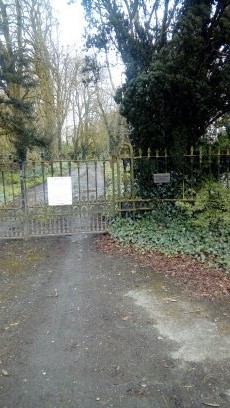
John McCormack the famous Irish tenor lived in Monasterevin and I think it might have been the big house behind these gates.
Monasterevin was headline news for two weeks in the 1970s when Dutch businessman, Tiede Herrema was held hostage by IRA in a house in the town.
13th May 2017.
Having been at the National Stud, we drove the 5 kilometres to the Curragh Racecourse,
We had a picnic at the edge of the racecourse. And watched the trains go by.
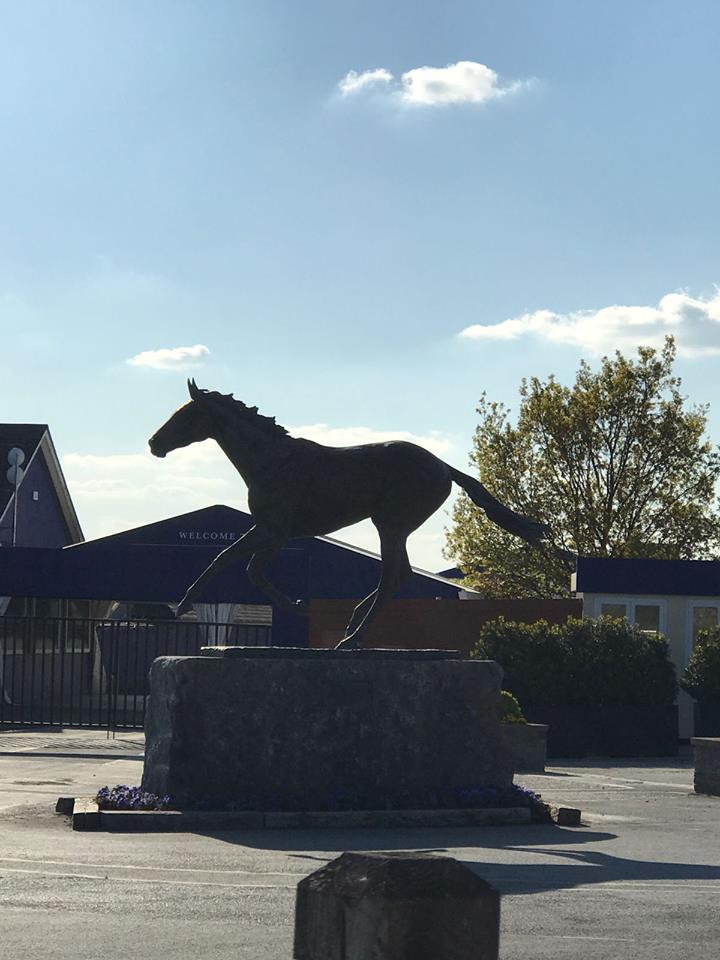
Statue of Horse at entrance to the Curragh.
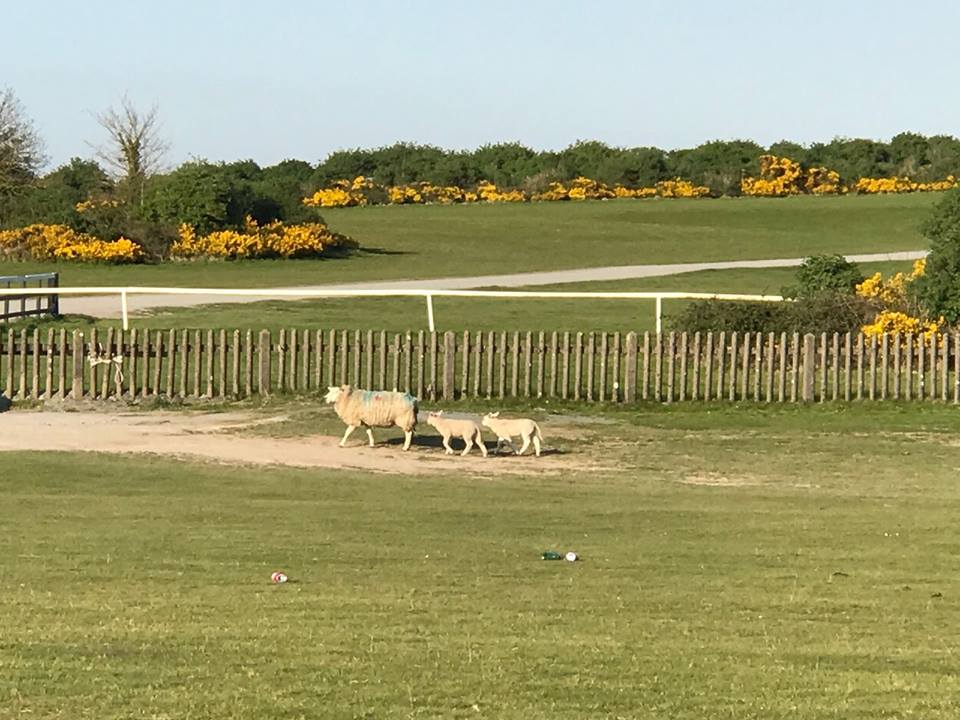
Sharing a picnic with sheep outside the racecourse.
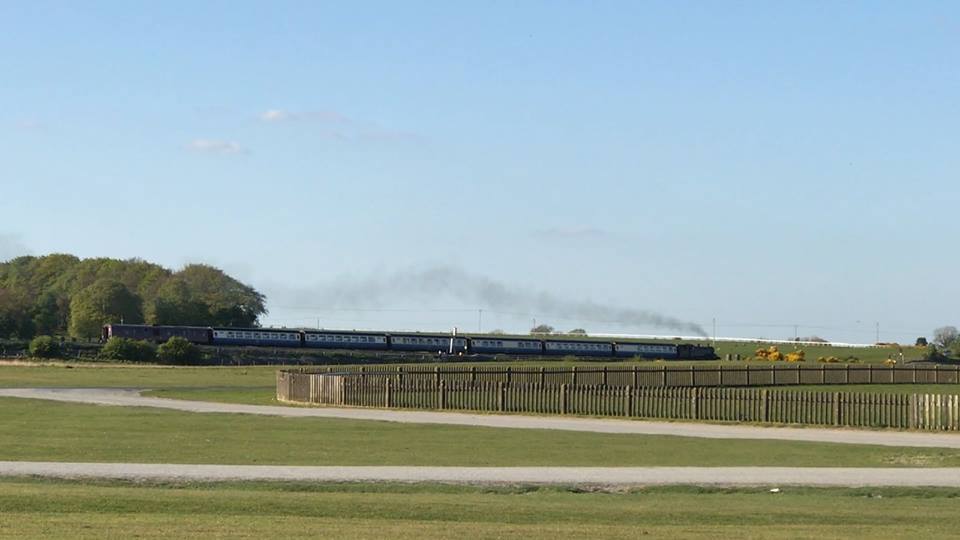
Train going by.
13th May 2017.
The National Stud is situated at Tully about 5 kilometres from Kildare Town in the heart of Irish Horse country. The area has the atmosphere of Big Money.
We travelled by car. My brother in law, Philip and his wife Ursula and daughter Deirdre and my wife and self.

The Stables.
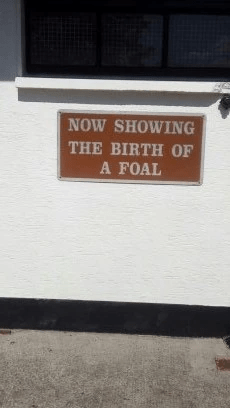
The National Stud aims to showcase the Irish Horse, thru showing horses and foals in stables, paddocks and thru audio visual displays.
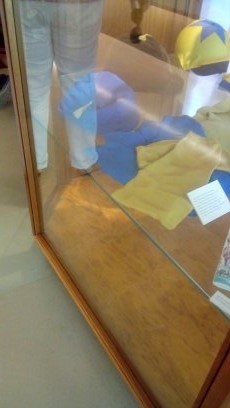
The Racing Colours of the President of Ireland.
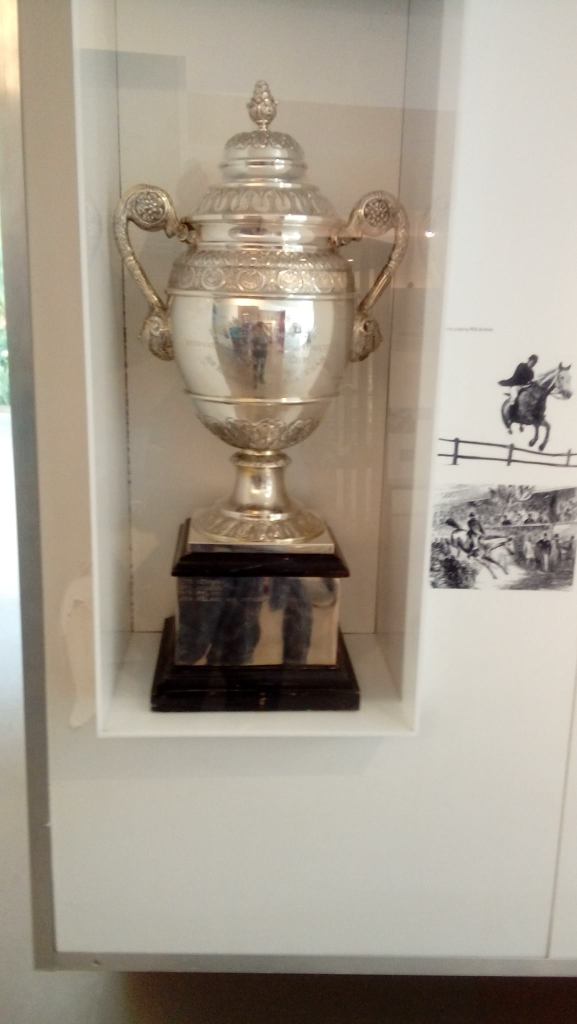
The Agha Khan Trophy, the iconic Nations Cup trophy at the Royal Dublin Horse Show.
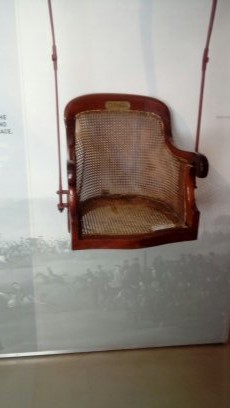
A weighing chair for Jockeys.
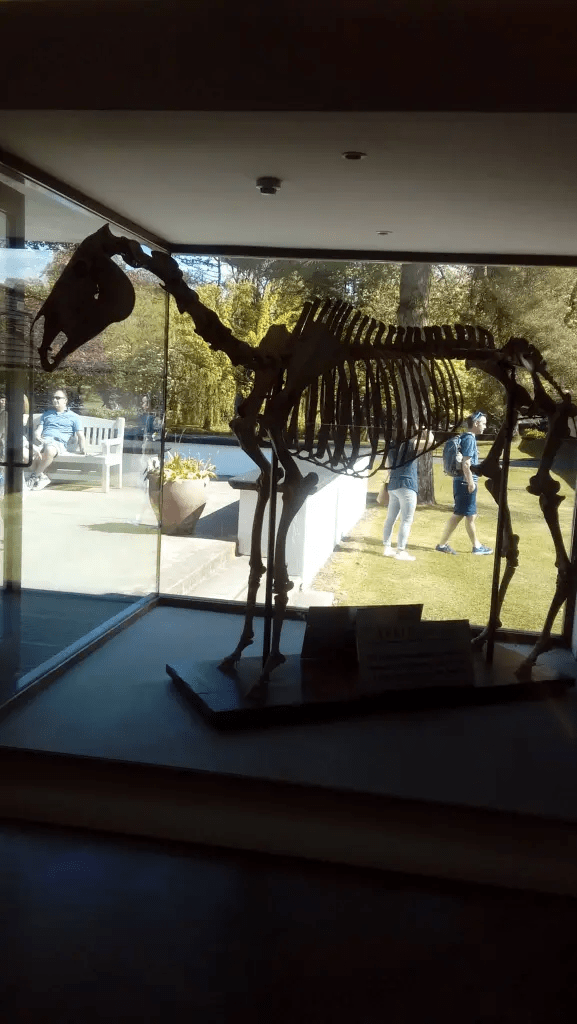
The skeleton of the 1960s champion steeplechaser, Arkle, a national hero.
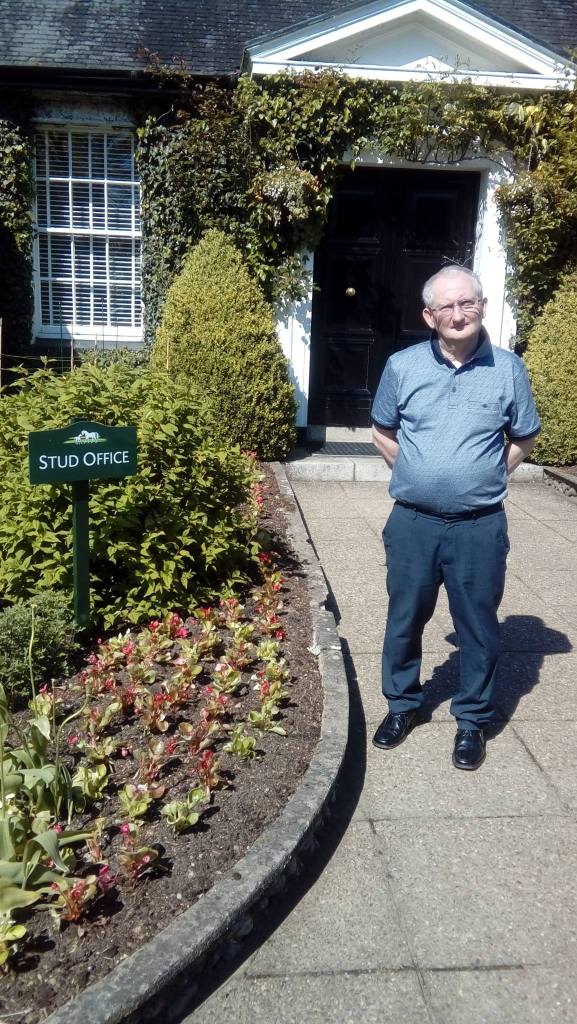
The National Stud Office.
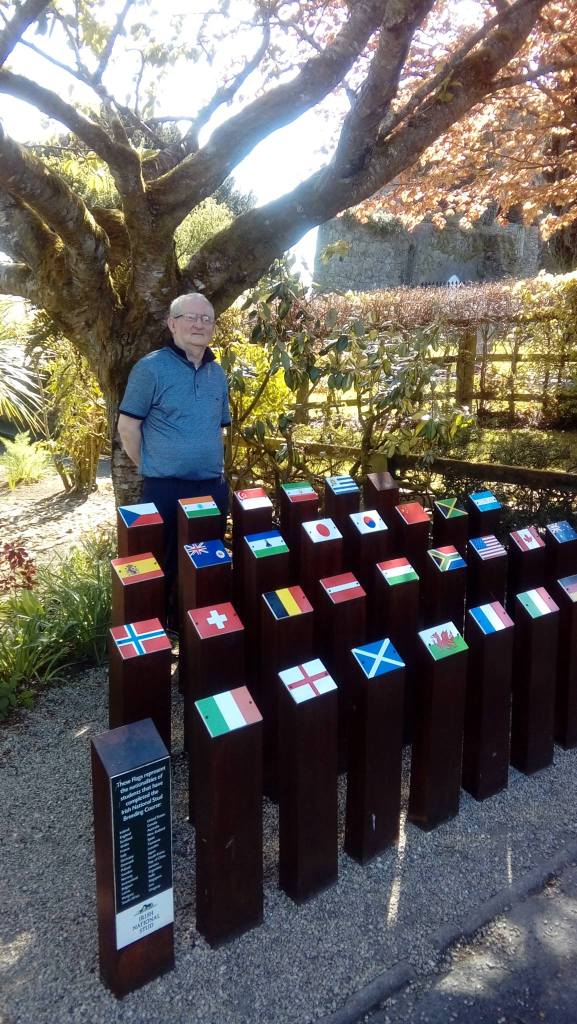
Horse Breeding and Horse Racing is big business. The Stud charges large fees for using stallions. The flags shown above are the flags of students learning about the industry at the National Stud.
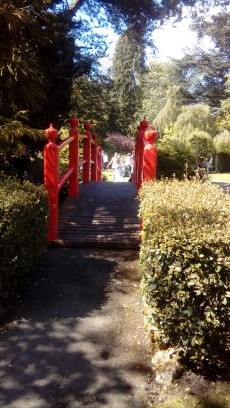
Japanese Gardens.
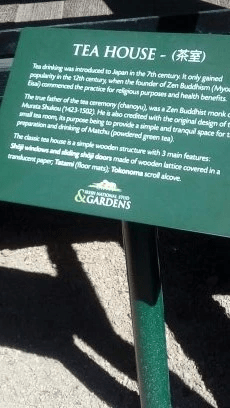
The National Stud includes a Japanese Garden which is very nice,
 Ireland: The Final Frontier